
Plants
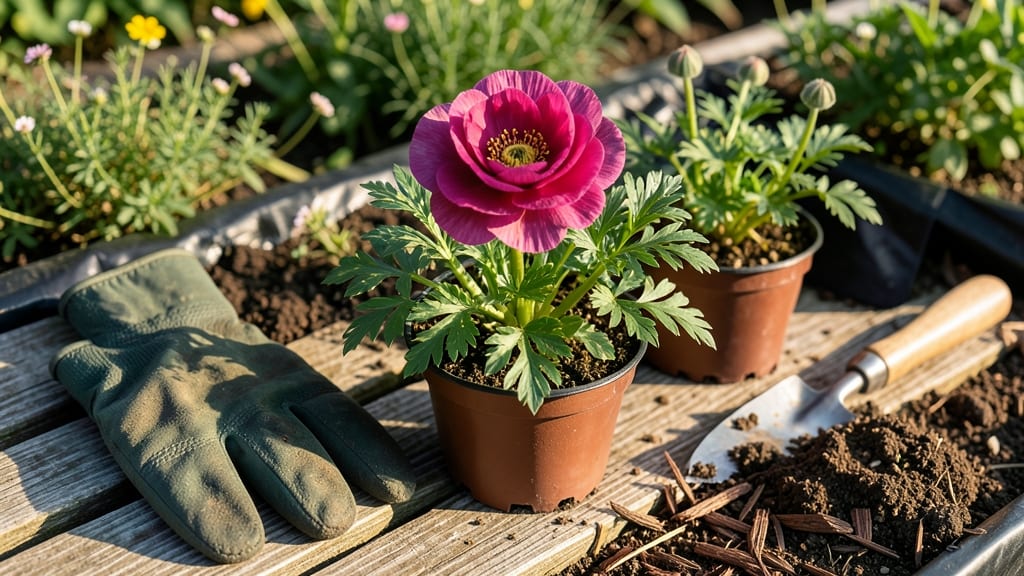
Planting ranunculus in Texas isn’t just about timing—it’s about outsmarting the heat and frost to unlock those dreamy 🌸 blooms. One wrong move, and your delicate flowers could vanish before they even peek through the soil.
Whether you're in North Texas where frost lingers or South Texas where the sun reigns year-round, knowing the exact window to plant makes all the difference.
Texas gardeners face a unique challenge: 8a-10b zones mean frost dates vary wildly—from January in the Panhandle to barely a chill in the Rio Grande Valley. That’s why planting 4-6 weeks before your first frost (usually October-December) is your golden ticket to spring color.
But here’s the catch: if you’re aiming for fall blooms, you’ll need to plant in July-August instead.
I’ve tested what works in my own Texas garden, and the key isn’t just the calendar—it’s the soil, the shade, and even your local microclimate. Too much heat? Adjust your planting date.
Too little rain? Mulch like a pro. Let me show you exactly how to time it right so your ranunculus thrives, no matter where you live in the Lone Star State.
Ready to skip the guesswork? You’ll walk away with zone-specific deadlines, soil prep secrets, and care tips that keep your ranunculus blooming like crazy—without the stress. Let’s get growing!
Texas ranunculus planting deadlines by hardiness zone (7a-10a)
Ranunculus thrives in Texas when planted at the perfect moment—too early and frost burns the tender bulbs; too late and you miss the spring blooming window. The key lies in understanding your USDA hardiness zone and adjusting for Texas' variable frost dates.
North Texas (Zones 7a-8a) faces harsher winters, while South Texas (Zones 9a-10a) enjoys milder conditions.
For spring blooms, aim to plant ranunculus bulbs 4-6 weeks before your first frost. In North Texas, this means late October to early November, while South Texas gardeners can start as late as December.
Timing ensures bulbs establish roots before winter chill sets in, guaranteeing vibrant pastel blooms in March-May.
For fall blooms, plant in July-August for a September-November display. This works best in South Texas, where cooler autumns support blooming. In North Texas, fall planting is riskier due to early frosts.
🌱
Texas Ranunculus Planting Deadlines
| Zone | First Frost | Planting Window (Spring Blooms) | Bloom Time | Notes |
|---|---|---|---|---|
| 7a (North Texas) | December 1 | Late October - Early November | March - May | Use mulch for frost protection |
| 8a (Central Texas) | November 15 | Mid-October - Late November | March - May | Extend window with row covers |
| 9a (South Texas) | December 15 | November - December | March - May | Fall planting possible for fall blooms |
| 10a (Deep South) | None (mild winters) | December - January | March - May | Year-round planting possible |
In Zone 7a, where frosts linger until December 1, prioritize early October planting to give bulbs time to root. Use mulch blankets or straw mulch to insulate soil and protect delicate roots.
In Zone 10a, where winters are mild, you can plant as late as January for spring blooms.
Texas' heat tolerance also plays a role. While ranunculus loves cool weather, late spring heat can scorch blooms. Choose shade-tolerant varieties like 'Buttercup' or 'Persian Pink' for afternoon shade in hotter zones. Planting in partial shade extends bloom life by 2-3 weeks.
Pro tip: Mark your planting dates on a calendar and adjust yearly based on local frost records. Texas' climate shifts—what worked last year may not this year. For reliable blooms, plant in containers and move them indoors if frost threatens.
🌸
If you're in transition zones (8a-9a), split your planting: half in October for early blooms and half in November for a staggered display. This technique ensures continuous color from March through May, even if some blooms fade early due to heat.
Remember, ranunculus bulbs are annuals in Texas—they won’t return year after year. Treat each planting as a fresh opportunity to create a show-stopping spring garden. With the right timing, your pastel ranunculus blooms will outshine even the toughest Texas wildflowers.
How to adjust planting timing for Texas heat and drought conditions
Texas heat and drought can turn your ranunculus from showstopper blooms to wilted disappointment if you don’t adjust your planting strategy. Unlike cooler climates, Texas requires earlier fall planting and deeper soil moisture to survive our brutal summers.
I’ve learned the hard way—skipping these adjustments means bulbs bake in the soil or dry out before blooming.
The key is planting 6-8 weeks before your first frost (not the standard 4-6 weeks) to give roots time to establish before summer’s scorching temperatures. For example, if your first frost hits December 1 (common in South Texas), aim for October planting.
In North Texas, where frost arrives by November 15, plant by September 30 to avoid stress.
Here’s my Texas-specific soil prep hack: Mix 50% native soil with 30% compost and 20% perlite to improve drainage while retaining moisture. This blend prevents the root rot that plagues ranunculus in heavy Texas clay.
I also add a 2-inch layer of mulch (straw or shredded bark) right after planting to lock in moisture and keep roots cool during summer.
⚠️ Texas Ranunculus Planting Pitfalls
- Planting too late: Bulbs won’t root before summer heat kills them.
- Skipping mulch: Soil dries out faster than you can water.
- Overwatering: Ranunculus hates soggy roots—drainage is critical.
- Ignoring shade: Afternoon sun in summer can scorch leaves.
Watering is where most Texas gardeners fail. Ranunculus needs consistent moisture but hates soggy soil. I water deeply twice a week in summer (morning only to prevent fungal diseases) and reduce to once a week in fall/winter.
A drip irrigation system is my secret weapon—it delivers water slowly at the roots without wetting the foliage.
For container gardening (great for urban Texas gardens), use pots with drainage holes and a fast-draining mix (cactus/succulent blend works). Plant bulbs 2 inches deeper than in-ground to compensate for limited soil volume.
Containers dry out faster, so check moisture daily during heatwaves—stick your finger in the soil. If it’s dry past 1 inch deep, water immediately.
Finally, avoid fertilizing in summer. The heat stresses plants, and excess nitrogen leads to leafy growth at the expense of blooms. Wait until September to apply a balanced 10-10-10 fertilizer to encourage root development for next spring’s flowers.
With these adjustments, your ranunculus will thrive through Texas summers and reward you with months of pastel perfection.