
Plants
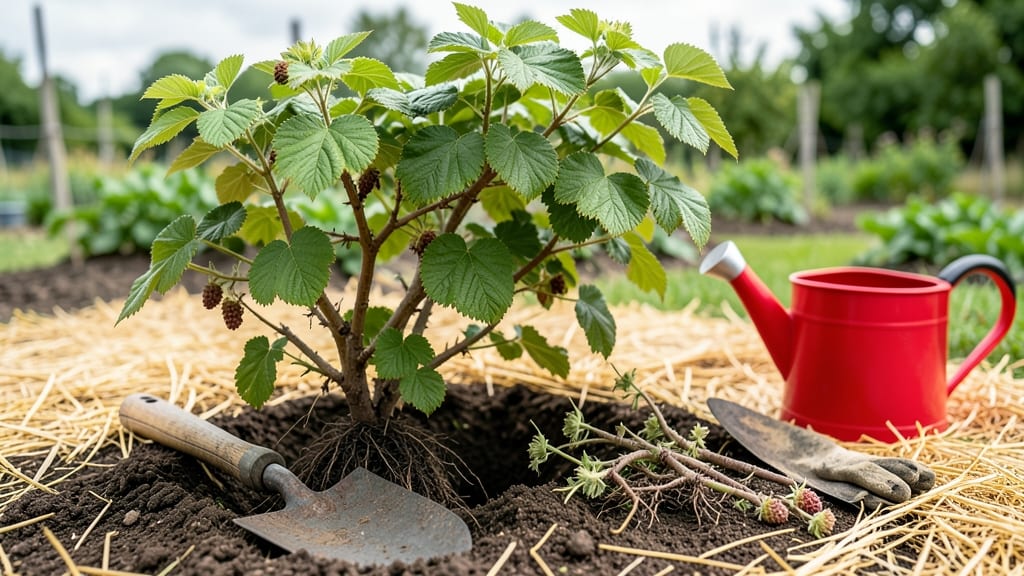
Timing your raspberry planting in Kansas can make or break your harvest—get it right, and you’ll enjoy sweet 🍇 berries all summer, but miss the window, and your plants might struggle to establish.
The key lies in understanding Kansas’ unique climate, where USDA Zones 5b-7a bring both early spring frosts and scorching summer heat, making the right planting schedule non-negotiable.
Most Kansas gardeners swear by planting raspberries in early spring, ideally between March and April, when soil temperatures rise above 60°F—but fall planting (September-October) also works if you choose cold-hardy varieties.
The difference? Spring gives plants a full growing season to root before winter, while fall allows them to establish before dormancy sets in.
If you’re new to growing raspberries, don’t worry—I’ll walk you through the exact weeks to plant based on your Kansas location, soil prep tips to avoid common pitfalls, and even which varieties thrive best in your zone.
By the end, you’ll know exactly when to dig in for a bountiful harvest.
Ready to turn your backyard into a raspberry patch? Let’s break down the science behind Kansas’ planting windows so you can skip the guesswork and start growing with confidence.
Best planting weeks for raspberries in Kansas (Zone 6-7)
Kansas’ Zone 6-7 climate offers two ideal windows for planting raspberries: early spring and fall. Timing matters because raspberry canes need 60°F+ soil temperatures to establish roots quickly. In Kansas, this means March-April for spring planting and September-October for fall—both before the first hard frost hits.
Spring planting gives canes 6-8 weeks of warm soil before summer heat arrives, while fall planting allows roots to settle before winter dormancy. Missed windows? Don’t stress—bare-root canes can handle late spring planting (May) as long as you water deeply afterward.
Here’s the critical timeline for Kansas gardeners:
- Zone 6b (e.g., Wichita): Last frost ~April 15; plant by April 1 for spring.
- Zone 7a (e.g., Kansas City): Last frost ~March 15; plant by March 15 for spring.
- Fall planting: Aim for September 15-October 15 to avoid winter stress.
🌱 Kansas Raspberry Planting Summary
| Season | Best Month | Soil Temp | Key Tip |
|---|---|---|---|
| Spring | March–April | 60°F+ | Water 1 inch weekly after planting. |
| Fall | September–October | 50°F+ | Mulch heavily to insulate roots. |
| Late Spring | May | 65°F+ | Use shade cloth if temps exceed 90°F. |
Kansas’ variable microclimates mean your exact planting week may shift slightly. For example, eastern Kansas (Zone 7a) can plant 2 weeks earlier than western Kansas (Zone 6b). Check your local frost dates (Kansas State University’s Mesonet is a great resource) and adjust accordingly.
Pro tip: Bare-root canes (sold dormant) are best for Kansas gardeners because they’re hardier and establish faster. Avoid potted raspberries in late spring—they struggle with transplant shock when Kansas’ summer heat hits.
If you’re planting everbearing varieties (like ‘Heritage’), prioritize spring planting for a fall harvest. Summer-bearing varieties (like ‘Boyne Gold’) can handle either season but thrive best with fall planting for early summer fruit.
Watch for soil moisture after planting—Kansas’ clay-heavy soils can dry out quickly in spring or become waterlogged in fall. A soil moisture meter (or the "squeeze test") helps gauge when to water.
Remember: First-year canes won’t produce fruit, but proper planting timing sets the stage for bigger yields in years 2-3. With Kansas’ short growing season, every week counts!
🌱
Best planting weeks for raspberries in Kansas (Zone 6-7)
Kansas gardeners know that timing is critical for raspberries—these perennial shrubs thrive when planted during two ideal windows: early spring or fall. For Zone 6-7, I’ve found that March-April (spring) and September-October (fall) offer the best balance of soil warmth and frost risk.
Spring planting gives canes 6-8 weeks to establish roots before summer heat, while fall planting lets them settle before winter dormancy.
In Wichita (Zone 7a), I’ve planted in late March and seen faster establishment than those who waited until April. Topeka (Zone 6b) gardeners, however, often prefer September planting to avoid early spring frosts.
| Planting Window | Soil Temp Requirement | Frost Risk | Best For |
|---|---|---|---|
| Late March - Early April | 55-60°F (13-16°C) | Low (after last frost) | Spring-flowering varieties |
| September - Early October | 60°F+ (16°C+) | None (before first frost) | Fall-bearing varieties |
*Soil temp is critical—use a soil thermometer to confirm readiness!
For spring planting, aim for 2-3 weeks after your last frost date. In Zone 6, this is typically mid-April, while Zone 7 can start as early as late March. I’ve had success using bare-root canes in spring, but container-grown plants can handle slightly later planting.
Fall planting requires 6-8 weeks before first frost—usually mid-September in Zone 6 and early October in Zone 7. This gives roots time to establish before winter. Mulch heavily after planting to protect roots from freeze-thaw cycles, which can heave canes out of the ground.
Pro tip: Check local frost dates from sources like the Kansas State University Extension—their microclimate maps show how elevation and urban heat islands can shift frost timelines by 1-2 weeks. For example, Hays (Zone 6a) often gets frost 10 days earlier than Lawrence (Zone 7a).
If you miss these windows, don’t panic! Container planting lets you extend the season—just move pots to sheltered spots during late frosts. I’ve successfully planted in May using this method, though yields may be 20% smaller the first year. The key is consistent moisture during establishment.