
Plants
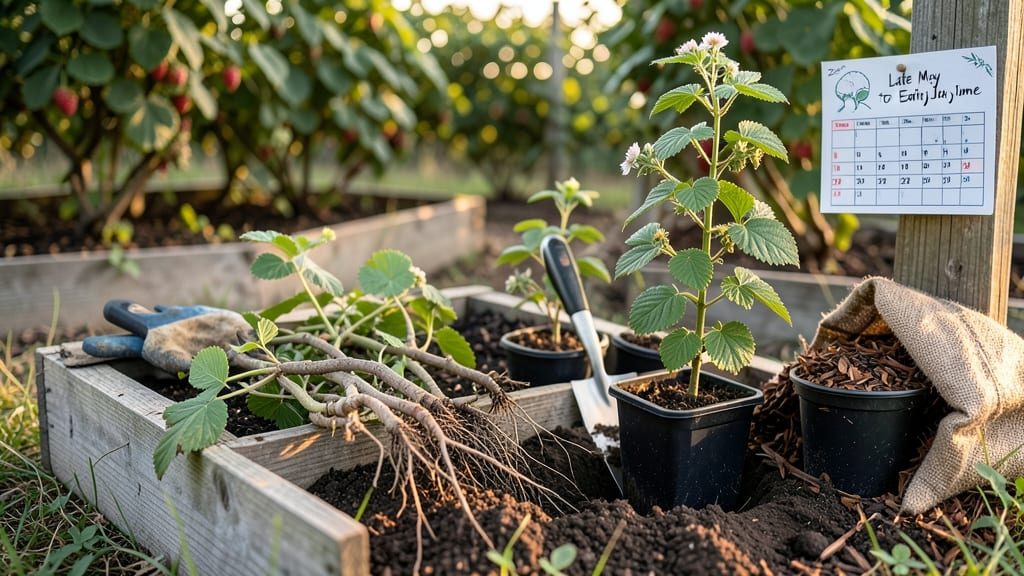
If you're a Zone 5 gardener dreaming of juicy, homegrown raspberries 🍇, timing your planting could make or break your harvest. Planting too early risks frost damage, while waiting too long might leave your raspberry canes struggling to establish roots before winter sets in.
I've learned the hard way that Zone 5's unpredictable frosts demand precision—whether you're working with bare-root canes or potted plants. The key is planting during those narrow windows when soil temperatures cooperate, giving your raspberries the best chance to thrive before summer's heat or winter's chill arrives.
In this guide, I'll walk you through the exact months to plant raspberries in Zone 5, including soil prep secrets and how to protect young plants from late frosts.
You'll discover why early spring and fall are your best bets—and how to tell when your raspberries are truly ready for the ground.
Let's get your raspberry patch off to a strong start so you can enjoy that first harvest of sweet, homegrown berries by mid-summer. The difference between a thriving plant and a struggling one often comes down to timing—and I'm here to share what works in your climate.
Best months to plant raspberries in Zone 5 for maximum root establishment
Timing your raspberry planting in Zone 5 is critical—these cold-hardy shrubs need 4-6 weeks of warm soil to establish roots before winter. Plant too early, and frost will damage tender canes; too late, and your plants won’t mature enough for a high-yield harvest.
Let’s break down the exact planting windows for your region.
In Zone 5, raspberries thrive when planted during two ideal windows: early spring (just after the last frost) or fall (6-8 weeks before the first frost). The average last frost date in Zone 5 ranges from mid-April to early May, depending on your location.
For example, gardeners in Chicago typically plant by late April, while those in Denver wait until early May.
Here’s the key: soil temperature must reach at least 50°F (10°C) for 2-3 weeks before planting. Use a soil thermometer to check—this ensures roots won’t freeze in unpredictable Zone 5 springs.
Fall planting, on the other hand, allows raspberries to establish roots before winter dormancy, giving them a head start in spring.
📅 Zone 5 Raspberry Planting Windows
| Season | Ideal Planting Month | Soil Temp Requirement | Frost Risk | Root Establishment |
|---|---|---|---|---|
| Spring | March–April (after last frost) | 50°F+ (10°C+) for 2+ weeks | Moderate (late frosts possible) | 6–8 weeks before harvest |
| Fall | September–October (6–8 weeks before first frost) | 55°F+ (13°C+) for root growth | Low (established roots survive frost) | Full root system before dormancy |
💡 Pro Tip: For bare-root raspberries, plant in early spring (March–April) when canes are still dormant. For potted plants, fall planting (September) works best to avoid transplant shock.
If you’re planting in late spring (May), choose cold-hardy varieties like Heritage or Nova, which tolerate cooler soils better than delicate types. However, late spring plantings may reduce first-year yields because canes won’t have enough time to mature before winter.
For fall planting, aim to finish by mid-October in most of Zone 5. This gives roots 6-8 weeks to establish before the ground freezes.
In colder Zone 5a areas (e.g., Minneapolis), shift to September planting to avoid early frosts. Always mulch heavily (4–6 inches) to insulate roots during winter.
Microclimates matter! If you live in a warmer microclimate (e.g., near a lake or south-facing slope), you can plant 1-2 weeks earlier in spring or 2 weeks later in fall. Conversely, valley locations with colder air pockets may need to adjust planting dates by 10–14 days to avoid frost damage.
One common mistake? Planting raspberries in early spring (February–March) when the soil is still too cold. Young roots can’t absorb nutrients efficiently below 45°F (7°C), leading to stunted growth. Always wait until the soil warms consistently—even if air temperatures seem mild.
For container gardening in Zone 5, plant in late spring (May) to avoid frost heaving. Use black plastic pots (which warm faster) and move containers to a protected location if frost is forecasted. In-ground plantings, however, benefit from earlier spring or fall dates for better soil integration.
Remember: Zone 5 raspberries reward precise timing with larger canes, more berries, and longer productivity. Whether you choose spring or fall, prioritize soil temperature, frost dates, and root establishment—your future harvest depends on it! 🍇
Best months to plant raspberries in Zone 5 for maximum root establishment
In Zone 5, raspberries thrive when planted during two distinct windows: early spring (March-April) or fall (September-October). These timing choices align with soil temperatures and frost risks, giving your raspberry canes the best chance to establish strong roots before dormancy or summer heat.
I’ve planted raspberries in both seasons and found that fall planting often yields better first-year growth because cooler temperatures reduce stress on the roots.
For spring planting, aim to get your raspberries in the ground 2-4 weeks before your last expected frost date. In most of Zone 5 (including areas like Chicago, Cleveland, and Denver), this typically means late March to mid-April.
The key is ensuring the soil is workable but not yet warm—raspberries dislike soggy, cold soil. If you plant too early and a late frost hits, your canes may suffer frost damage before they’ve had a chance to harden off.
Fall planting offers a longer window—from mid-September to early November—but you’ll need to plant at least 6-8 weeks before the first hard frost. This gives the roots time to establish before winter dormancy.
I’ve had great success with Heritage raspberries planted in October—they’ve produced fruit the very next summer. The trick is to mulch heavily after planting to insulate the roots during winter.
🌱 Zone 5 Raspberry Planting Timeline Comparison
| Planting Window | Soil Temperature | Frost Risk | Root Establishment |
|---|---|---|---|
| Early Spring (March-April) | 40-50°F (4-10°C) | High (late frosts) | Moderate (6-8 weeks) |
| Fall (September-October) | 50-60°F (10-15°C) | Low (before dormancy) | Strong (8-10 weeks) |
Soil temps below 40°F can stunt root growth; above 60°F may stress canes in summer.
If you’re unsure about your local frost dates, check the USDA Plant Hardiness Zone Map and local weather averages. For example, Denver’s last frost is typically April 15, while Cleveland’s is around May 1.
Planting too late in spring risks canes bolting (sending up flower stalks) before they’re established. In fall, planting after October 15 in most of Zone 5 leaves too little time for roots to settle before winter.
Another pro tip: Bare-root raspberries (the most common type) should be planted as soon as you receive them in spring or fall. Soak the roots in water for 1-2 hours before planting to rehydrate them.
For potted raspberries, you can plant them slightly later in the season—just avoid extreme heat or cold. I’ve had success planting potted Boyne raspberries in early May, even if bare-root plants were in by April.
Regardless of when you plant, always space raspberry canes 2-3 feet apart in rows 6 feet apart to allow for airflow and easy harvesting. This spacing reduces disease risk and makes it easier to manage weeds—critical in Zone 5’s humid summers.
After planting, water deeply to settle the soil and encourage root contact. Use a soaker hose to avoid disturbing the soil surface, which can expose roots to drying out.