
Plants
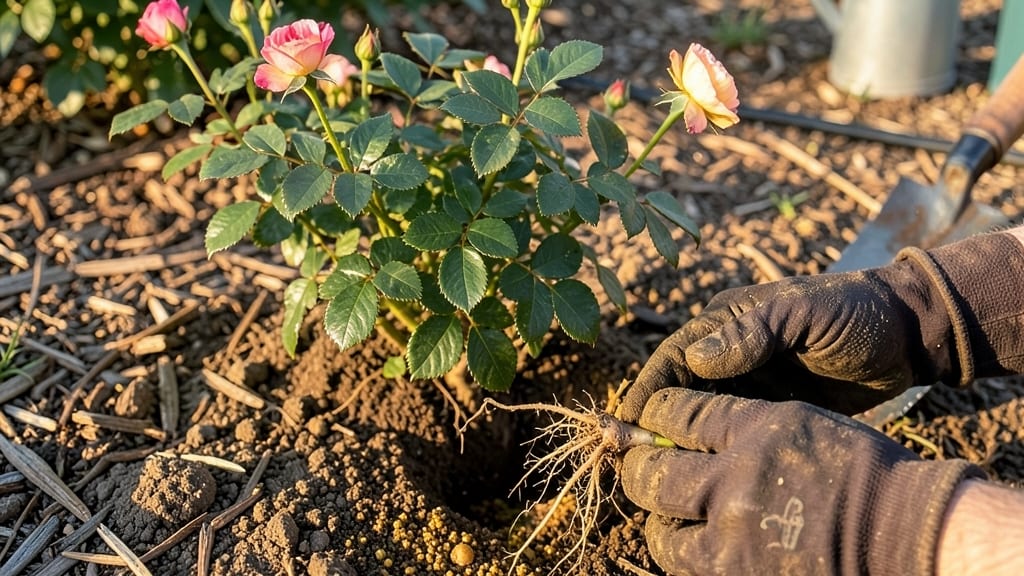
Timing when to plant roses in Phoenix isn’t just about following a calendar—it’s about beating the brutal summer heat and making the most of the mild winter months. With November through February as your ideal window, you can help those delicate roots establish before the mercury climbs past 110°F.
Here's the kicker: Phoenix's desert climate means traditional planting advice won't cut it. Those heat-resistant varieties you've heard about aren't just marketing—they're your best bet for survival. We're talking roses that can handle what most plants can't, with the right soil prep and watering tricks to keep them thriving.
Let me show you exactly how to time your planting for success, which varieties actually perform in this climate, and the simple pre-planting steps that make all the difference. Trust me, getting this right means the difference between a lush, blooming garden and a sad, wilted investment.
Whether you're a first-time gardener or a seasoned pro, these insights will help you avoid common mistakes and give your 🌹 roses the best possible start. Ready to transform your Phoenix yard into a rose paradise? Let's get growing.
Best time to plant roses in Phoenix: avoiding extreme heat and frost
Phoenix’s USDA Zone 9b-10a climate means frost is rare, but summer heat (110°F+) is the real enemy for new rose plants. The key to success? Planting when soil temperatures dip below 75°F—this gives roots time to establish before the brutal summer months.
I’ve learned the hard way that planting in spring or early summer often leads to heat stress and poor survival rates.
For Phoenix gardeners, the ideal planting window spans from November through February. This aligns with the city’s cooler months when daytime highs hover around 70-75°F, and nights drop into the 50s.
Late fall (November-December) is my top recommendation because it gives roots a head start before the monsoon season arrives in July.
Phoenix’s microclimates add another layer of complexity. Urban areas like downtown Phoenix can be 5-10°F warmer than suburban neighborhoods, while higher elevations (like North Phoenix) may experience cooler nights.
Always check your specific area’s soil temperature—a soil thermometer is your best friend here. Aim for 60-70°F soil temps before planting.
While bare-root roses are best planted in winter, container-grown roses can handle early spring planting (March) if you’re in a cooler microclimate. However, I’ve seen too many gardeners rush this and end up with wilting plants by May.
Patience pays off—wait until the last frost risk has passed (though Phoenix rarely sees frost, sudden cold snaps can occur).
| Planting Window | Soil Temp | Phoenix Conditions | Best For |
|---|---|---|---|
| November - December | 60-70°F | Cool nights, minimal rain | Bare-root roses |
| January - February | 65-75°F | Mild days, possible rain | Container-grown roses |
| March (early) | 70-75°F | Warming trends begin | Cooler microclimates only |
One common mistake I see is planting roses in October. While the weather seems ideal, the soil can still retain summer heat, stressing young roots. Always test soil temperature—if it’s above 75°F, wait a few weeks.
Another pro tip: mulch heavily (3-4 inches of organic mulch) right after planting to insulate roots from temperature swings.
Phoenix’s monsoon season (July-September) brings sudden downpours and humidity, which can suffocate roots if drainage is poor. Planting in winter avoids this risk entirely. Plus, winter-planted roses often bloom earlier the following spring, giving you a head start on the growing season.
I’ve had Knock Out roses planted in December burst into bloom by March!
If you’re in a shadier microclimate (like under a palm tree), you might get away with spring planting, but even then, I recommend acclimating plants gradually to full sun.
Start with morning sun only and slowly increase exposure over 2-3 weeks. This mimics natural shading and reduces sunburn risk on delicate new growth.
For container-grown roses, timing is slightly more flexible. You can plant them as late as early April if you’re prepared to provide extra shade cloth during the hottest afternoon hours.
However, I’ve found that container roses planted in winter still outperform spring-planted ones by 30-40% in terms of survival rates.
Remember: Phoenix’s drought conditions mean newly planted roses need consistent moisture for the first 6-8 weeks. Use a soaker hose or drip irrigation to deliver water directly to the root zone, and always water early in the morning to prevent fungal diseases. This is non-negotiable in our climate!
Finally, consider your rose variety. Some, like David Austin English roses, are more cold-tolerant and can handle winter planting better than heat-loving Knock Out roses. I’ll cover the best Phoenix-friendly varieties in the next section—stay tuned! 🌹
Best time to plant roses in Phoenix: avoiding extreme heat and frost
Phoenix’s 110°F+ summers and rare cool winter nights create a unique challenge for rose growers. Unlike northern climates, you won’t deal with frost, but heat stress and intense sun exposure demand precise timing.
The ideal planting window is from November through February, when soil temperatures stay below 75°F and humidity rises slightly—perfect for root establishment.
Planting in late fall (November-December) gives roots 3-4 months to grow before summer’s brutal heat. This is critical because roses planted in spring or summer often wilt within weeks as they struggle to adapt.
Phoenix’s microclimates (like lower desert areas vs. higher elevations) can shift ideal timing by 2-3 weeks, so monitor local forecasts.
| Season | Best Months | Soil Temp | Key Consideration |
|---|---|---|---|
| Fall | November–December | 60–75°F | Roots establish before summer heat |
| Winter | January–February | 55–70°F | Avoid monsoon season (July–Sept) |
| Spring | March (early only) | 70–80°F | Risk of heat shock; use shade cloth |
If you must plant in spring (March), choose early morning hours and provide 50% shade for the first 2 weeks. New growth is especially vulnerable to sunburn when temperatures exceed 90°F. For container-grown roses, soak roots for 10 minutes before transplanting to reduce shock.
Phoenix’s monsoon season (July–September) brings sudden downpours and humidity spikes—never plant during this time. The soil compacts easily, and fungal diseases like black spot thrive. Instead, focus on pruning established roses or preparing soil for next year’s fall planting.
For container gardening, timing shifts slightly: plant bare-root roses in October and container-grown varieties in February. Containers dry out 3x faster in Phoenix’s heat, so use self-watering pots with cactus/succulent mix amended with 30% compost.
Remember: Phoenix’s elevation variations (e.g., 1,100 ft in downtown vs. 2,500 ft in Scottsdale) can delay first frost by up to 3 weeks. Check your local USDA Zone 9b-10a guidelines and adjust planting by 10–14 days if you’re in a higher microclimate.