
Plants
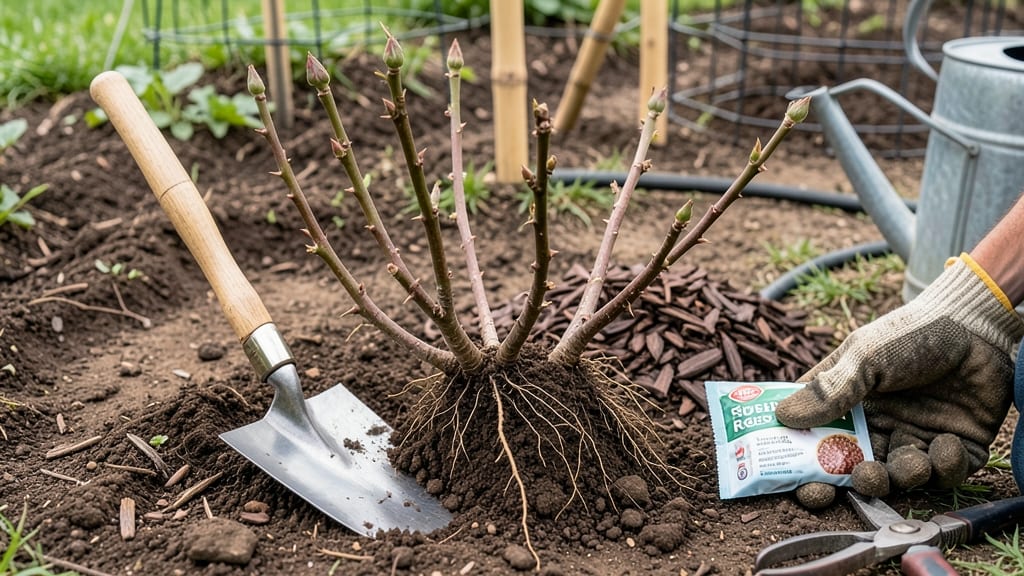
Timing when to plant roses in Seattle can make the difference between a lush, blooming garden and one that struggles through the Pacific Northwest’s damp, unpredictable climate.
If you’ve ever watched your roses fight to survive after a late frost or wilt in winter rains, you know how critical getting it right really is.
The key to success lies in understanding Seattle’s unique microclimates—whether you’re in the rain-soaked west side or the slightly drier east side. Planting too early risks frost damage, while waiting too long can leave your roses vulnerable to winter’s chill.
I’ll break down the ideal windows, soil prep secrets, and even which types of roses thrive best in Zone 8a.
You’ll discover why fall planting (October through April) gives roses a head start, how to protect them from Seattle’s infamous November frosts, and whether bare-root or potted roses work better for your yard. No more guessing—just data-backed timing to ensure your roses grow strong and beautiful year after year.
Ready to transform your garden? Let’s dive into the exact moments to plant, adjust for Seattle’s quirks, and keep your roses flourishing no matter what the weather throws at them.
Seattle’s best planting windows for roses: month-by-month microclimate guide
Seattle’s USDA Zone 8a climate creates unique challenges for rose growers, with cooler, wetter winters and mild, rainy springs. Unlike warmer zones, timing matters more here—planting too early risks frost damage, while waiting too long delays root establishment.
The ideal window spans from late fall to early spring, when soil temps hover between 40°F and 60°F.
Bare-root roses, the most popular choice in Seattle, thrive when planted during dormancy (October–April). Container-grown roses, however, offer more flexibility, allowing spring planting as late as May, provided you harden them off first.
The key is avoiding late-spring frosts (common until mid-March) and summer heat stress, which can shock young plants.
Seattle’s microclimates further complicate timing: West Seattle’s coastal influence keeps soil cooler longer, while Eastside urban areas warm up faster in spring. Rural zones like Snoqualmie Valley experience earlier frosts.
Adjust your schedule based on your specific location—plant 2–4 weeks later in cooler areas and earlier in warmer microclimates.
🌱 Did You Know?
Here’s your month-by-month breakdown, including soil temp thresholds and microclimate adjustments:
How to adjust planting time for Seattle’s rainy seasons and frost risks
Seattle’s cool, damp climate means roses need extra care to avoid root rot or frost damage. Unlike drier regions, you can’t just plant in spring—timing depends on whether you’re in West Seattle’s marine layer or Eastside’s urban heat pockets.
The key is balancing soil warmth and rainfall patterns to give roots time to establish before winter sets in.
The last frost date in Seattle hovers around March 15, but late frosts can linger into April—especially in low-lying areas like the Duwamish Valley. If you plant in early spring, monitor forecasts and have row covers ready.
For fall planting, aim for October or early November to allow roots to settle before the ground freezes, typically by mid-November.
Urban heat islands on the Eastside can push soil temps 5–10°F warmer than West Seattle, so you might plant 2–3 weeks earlier in neighborhoods like Bellevue. Meanwhile, Westside gardens near Puget Sound stay cooler, delaying planting by a week or two. Always check soil temperature—roses need 45°F+ soil to thrive, and a simple soil thermometer ($10 at garden centers) saves guesswork.
Never plant roses in May—Seattle’s late frosts can kill new growth. If you miss fall or early spring, opt for container-grown roses (they establish faster) or delay until June 1, when frost risk drops below 10%.
Signs to delay planting: Forecasts show 32°F+ temps in 7–10 days, or your soil feels cold to the touch (below 45°F). Use black plastic mulch to warm soil 5–10°F faster if you’re eager to plant early.
Pro tip: Plant bare-root roses in fall (they’re dormant) or early spring (soil warms faster). Container roses can handle spring planting but need extra watering to compensate for root shock.
Mulching is your best defense against Seattle’s winter rains and spring frosts. Apply 4–6 inches of wood chips or straw around the base (but keep it 2–3 inches away from the stem) to insulate roots.
In urban gardens, where soil drains poorly, add compost to improve aeration—waterlogged roots lead to black spot disease, a common rose killer in PNW climates.
If you’re planting in late fall (November), choose hardy varieties like ‘Knock Out’ roses, which tolerate 20°F temps. For bare-root roses, soak roots for 1–2 hours before planting to reduce transplant shock.
And water deeply after planting—Seattle’s winter rains won’t provide enough moisture for new roots to establish.
Finally, elevate containers in low-lying areas (like near the Ship Canal) to avoid waterlogging. If you’re unsure about timing, err on the side of fall planting—roses planted in October or November often outperform spring-planted ones by 30–50% due to longer root establishment before summer heat arrives.
🌧️