
Plants
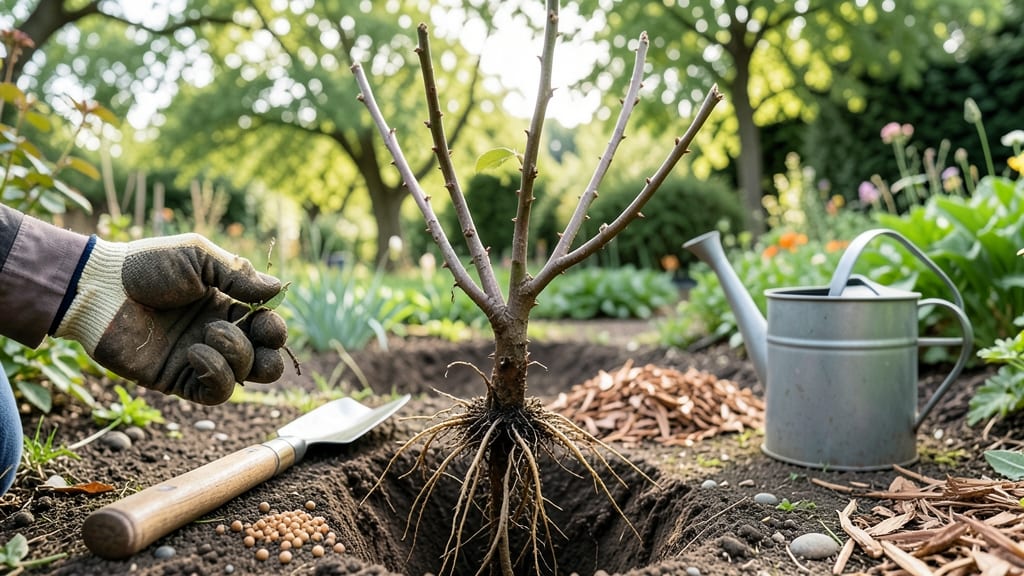
Planting roses in Utah at the wrong time can mean wilted blooms or even lost plants—especially when your region swings from freezing nights to scorching days. The key to thriving 🌹 gardens here lies in understanding Utah’s microclimates, from Salt Lake City’s 6b zone to Southern Utah’s warmer 7a-8a areas.
Most Utah gardeners swear by early spring or fall planting, but timing depends on where you live. In colder zones like Cache Valley, wait until after the last frost (April 15), while Southern Utah’s milder climate lets you plant as early as February.
The difference? Soil temperature and frost risk.
I’ll break down the best windows for your specific area, plus pro tips for soil prep and choosing between bare-root vs. potted roses. Whether you’re in a high-desert valley or mountain foothills, these strategies will help your roses take root strong.
Ready to avoid common mistakes and get roses blooming reliably? Let’s dive into Utah’s planting secrets—because the right timing makes all the difference between a struggling bush and a showstopping garden centerpiece.
Utah’s best planting windows for roses by microclimate Zone
Utah’s five distinct microclimates mean your rose planting schedule should match your region’s last frost dates and soil temperature. Whether you’re in Salt Lake City’s USDA Zone 6b or St. George’s Zone 8a, timing is everything for root establishment and bloom success.
Let’s break down the ideal planting windows for each Utah zone, including soil prep tips to ensure your roses thrive.
In Northern Utah (e.g., Salt Lake City, Ogden), aim to plant bare-root roses 2-3 weeks before your last frost—typically late March to early April. For container-grown roses, you can plant as soon as the soil is workable (40°F+).
Southern Utah (e.g., St. George, Cedar City) has a longer growing season, so February to early March is ideal for spring planting, with fall planting extending into November.
Here’s a quick reference for Utah’s microclimate zones, including last frost dates, soil temperature thresholds, and optimal planting windows:
For high-altitude areas (e.g., Park City, above 6,000 ft), plant 1-2 weeks later than the zone average to avoid late spring frosts. Use black plastic mulch or row covers to warm the soil faster if planting early.
In Southern Utah’s desert climate, prioritize morning watering to prevent evaporation and mulch heavily to retain moisture.
Fall planting is highly recommended in Utah because it gives roots time to establish before winter. Aim to plant 6-8 weeks before your first frost, typically September to early October in most zones.
This timing ensures roses won’t bloom in their first fall, which can weaken them before winter. In Zone 8a (Southern Utah), you can even plant into November if soil temps stay above 45°F.
Always test your soil’s pH before planting—Utah’s alkaline soils (pH 7.5+) can stress roses. Amend with sulfur or peat moss to lower pH to 6.0-6.5, the ideal range for roses. Mix
How to adjust your planting schedule for Utah’s unpredictable weather
Utah’s weather can throw curveballs—like late spring frosts in April or early heatwaves by May. These surprises can stress young roses, so flexibility is key.
I’ve planted roses in Salt Lake City for years, and I’ve learned to watch for soil temperature cues (ideally 60°F+) rather than just calendar dates. A frost cloth or row cover can buy you 2-3 extra weeks if late frosts threaten your spring planting.
For fall planting, aim for 6-8 weeks before your area’s first frost**. In Southern Utah, that’s often by September 15th, while Northern Utah gardeners may need to wrap up by October 1st.
The goal is to give roots time to establish before winter dormancy. If your fall planting window shrinks due to early cold snaps, opt for container-grown roses—they adapt better to delayed transitions.
Late Frost Warning: Utah’s Hidden Risks
Utah’s microclimates mean frost dates vary wildly. For example, Park City (Zone 6a) can see frost until May 15th, while St. George (Zone 8a) rarely drops below freezing after November 1st. If you’re planting in high-elevation areas, delay until May 1st or use heat mats to warm soil faster. In low-desert zones, watch for sudden temperature drops—even in summer!
If you miss your ideal window, don’t panic. Container-grown roses can be planted up to June 1st in most of Utah, though they may bloom less vigorously. For bare-root roses, extend your window by 2 weeks using a mulch blanket (straw or pine needles) to insulate roots.
In Southern Utah, where winters are milder, you can even plant bare-root roses in December if soil isn’t frozen.
Adjusting for elevation shifts is another Utah-specific challenge. Roses planted at 5,000 feet (e.g., Ogden) need 2-3 weeks earlier than those at 4,000 feet (e.g., Provo). Use your local USDA zone as a guide, but always check weekly frost forecasts from the National Weather Service.
I keep a gardening journal to track my local patterns—it’s saved my roses from frost damage more than once!
For early heatwaves, prioritize morning planting (before 10 AM) to reduce transplant shock. Water deeply before planting, then mulch with 3 inches of organic matter to retain moisture. If temps exceed 90°F during planting, wait until evening or create shade cloth tunnels.
In St. George, I’ve planted roses in late October to avoid summer’s brutal heat—the cooler fall temps help roots establish without stress.
Remember: Utah’s drought conditions mean your planting schedule should also account for water availability. If your area faces water restrictions in summer, plan to plant drought-tolerant varieties like ‘Dr. Huey’ Knock Out roses and schedule planting for fall when water demands are lower.
Always check your local watering guidelines before committing to a summer planting.