
Plants
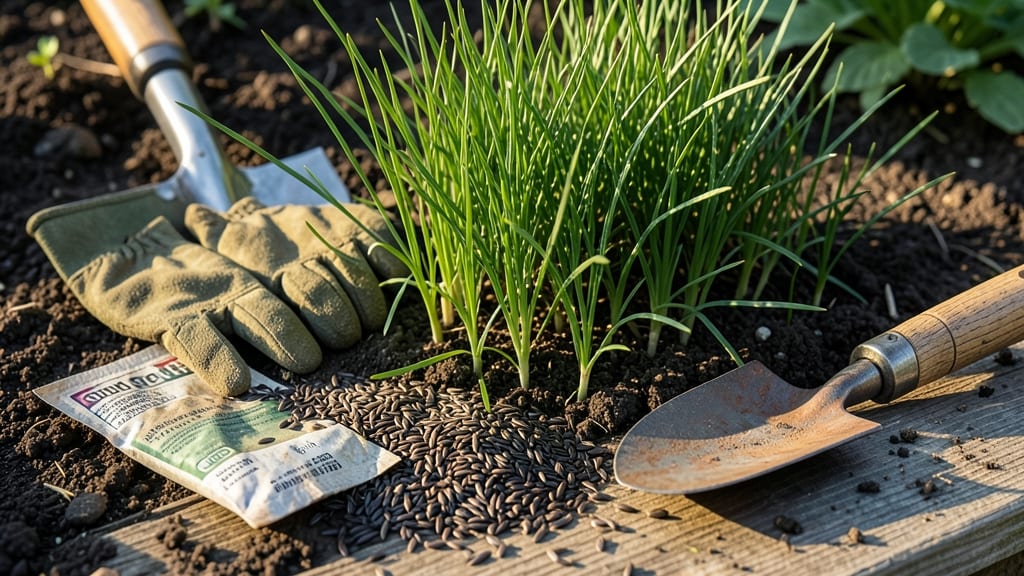
Planting rye grass in Mississippi can feel like a guessing game—too early, and you’ll battle weeds before it takes hold; too late, and frost will nip your progress before it even starts.
The perfect window isn’t just about dates, but about soil temperatures, frost risks, and how your local climate plays into the game.
For Mississippi gardeners in zones 7b-9a, the secret lies in late summer—specifically August through September. This timing lets 🌾 rye grass establish deep roots before winter, outsmarting heat and drought while avoiding the chaos of spring weeds. But there’s more to it than just picking a month.
I’ll walk you through the exact timing that works for your region, how to prep your soil for maximum success, and which rye grass varieties hold up best when planted late. No more second-guessing—just a foolproof plan for stronger roots and healthier soil next season.
Whether you’re a seasoned gardener or just starting, these insights will help you plant with confidence and skip the trial-and-error. Let’s get those seeds in the ground the right way.
Mississippi’s ideal ryegrass planting window: late summer timing explained
Mississippi’s climate—with its hot, humid summers and mild winters—creates a unique window for planting ryegrass (Lolium multiflorum). Unlike northern states, you don’t need to rush in early spring.
Instead, focus on late summer to early fall for optimal root establishment before winter. This timing lets ryegrass outcompete weeds while avoiding summer’s extreme heat.
The perfect planting window in Mississippi spans late August through early September. During this time, soil temperatures drop to the ideal 60–70°F range, which encourages strong germination. Planting earlier risks weed competition, while late September plantings may not establish deep roots before frost.
For northern Mississippi (USDA Zone 7b), aim for August 15–September 1; southern regions (Zone 8a–9a) can extend until September 15.
Here’s why this timing works: Ryegrass needs 4–6 weeks to establish before the first frost (typically mid-November in Mississippi). Planting in late summer gives it enough time to develop a robust root system while avoiding the stress of summer heat.
This also aligns with Mississippi’s rainfall patterns, reducing irrigation needs during critical growth stages.
Mississippi’s clay-heavy soils can pose challenges, but ryegrass thrives when planted at the right time. The 4-week window ensures seeds germinate in warmer but less intense conditions, reducing the risk of seedling disease common in spring plantings.
For example, Jackson (Zone 8a) sees soil temps drop below 70°F by late August, making it ideal for sowing.
If you miss the late-summer window, spring planting (March–April) is your second chance—but expect weed pressure and higher water demands. Spring-planted ryegrass often bolts early due to heat stress, reducing its effectiveness as a cover crop.
For best results, prioritize the fall window and adjust based on your specific USDA zone within Mississippi.
Mississippi Ryegrass Planting Timeline
🌾| Region | Ideal Planting Window | Soil Temp (°F) | Key Consideration |
|---|---|---|---|
| Northern MS (Zone 7b) | August 15–September 1 | 60–70°F | First frost risk by late Oct |
| Central MS (Zone 8a) | August 20–September 10 | 65–75°F | Balanced heat/rainfall |
| Southern MS (Zone 8b–9a) | August 25–September 15 | 70–80°F | Longer growing season |
| Spring Backup | March 1–April 15 | 55–65°F | Higher weed risk |
To refine your timing, monitor local weather forecasts for the first frost date in your area. For example, Tupelo (Zone 8a) typically sees frost by November 1, while Biloxi (Zone 9a) may delay until November 15.
Planting 4–6 weeks before this date ensures ryegrass establishes before dormancy. Use a soil thermometer to confirm temps are below 75°F—this prevents seed dormancy issues common in Mississippi’s heat.
Pro tip: If you’re using ryegrass for soil improvement, aim for a mixed planting of fast-germinating varieties (like ‘Marshall’) in late August. These establish quickly, suppressing weeds while slower varieties (like ‘Gulf’) take over for winter cover. This two-phase approach maximizes your cover crop’s benefits in Mississippi’s climate.
Mississippi’s humidity and rainfall also play a role. Late summer often brings afternoon thunderstorms, which can help with germination if planted just before rain. However, avoid planting during prolonged dry spells, as ryegrass seeds need consistent moisture to sprout.
If rain is scarce, use drip irrigation to keep soil evenly moist for the first 2–3 weeks after sowing.
Finally, consider your specific goals for rye
Mississippi’s ideal ryegrass planting window: late summer timing explained
Mississippi’s USDA zones 7b-9a create a unique planting challenge for ryegrass—too early, and summer heat stresses seedlings; too late, and roots won’t establish before frost. The 4-week window from late August to early September strikes the perfect balance, aligning with soil temperatures between 60-70°F and declining daytime heat.
This timing ensures strong root development before winter dormancy.
Northern Mississippi (zones 7b-8a) should aim for mid-August to early September, while southern regions (zones 8b-9a) can extend planting until early October.
The key is planting 4-6 weeks before the first frost (typically mid-November), giving roots time to reach 6-12 inches deep—critical for winter survival and soil erosion control.
| Region | Ideal Planting Window | Soil Temp Threshold | Frost Risk |
|---|---|---|---|
| Northern MS (Zones 7b-8a) | Mid-August - Early September | 60-68°F | High (Nov 1-15) |
| Southern MS (Zones 8b-9a) | Late August - Early October | 62-70°F | Moderate (Nov 15-30) |
Mississippi’s clay-heavy soils can delay germination if planted too early, while late planting risks shallow root systems that fail in winter. Aim for 6-8 weeks of growth before frost—this ensures roots penetrate 12+ inches deep, improving soil structure and suppressing weeds.
For container gardening, extend the window by 2 weeks since pots warm faster.
Watch for daytime highs below 85°F and nighttime lows above 55°F—these conditions signal readiness. In drought-prone areas, prioritize planting after 0.5 inches of rain to prevent seed desiccation. My personal trick? Plant when morning glories begin wilting
Mississippi’s humidity levels (often 70%+) can create fungal risks if planting extends into September. To mitigate, choose well-draining sites and avoid overhead watering. For large-scale plantings, use a seed drill set to 1/4-inch depth—deeper planting reduces fungal exposure while maintaining moisture. Remember: Spring planting is possible (March-April) but risks summer die-off from heat stress. Fall planting dominates because ryegrass overwinters better and provides critical erosion control during Mississippi’s wet winters. For maximum benefits, combine with clover mixes to extend the cover crop season.