
Plants
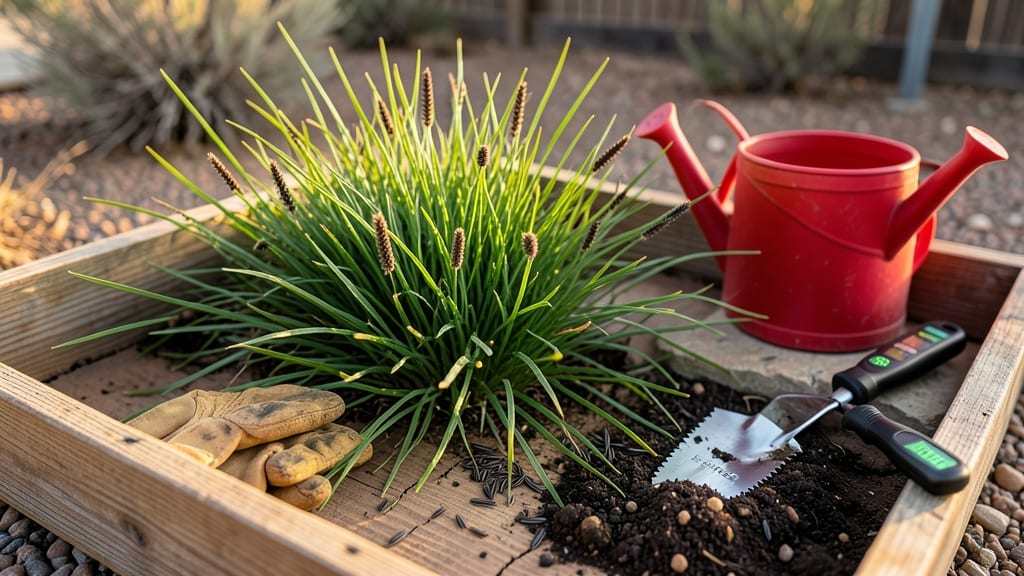
Planting ryegrass in Phoenix might seem tricky—after all, your lawn needs to survive 110°F summers. But timing it right in the cooler months is the key to establishing lush, drought-resistant turf that actually thrives here.
The secret? Planting between November and January when temperatures drop and monsoon rains taper off, giving your 🌱 grass the best shot at deep root growth before the heat returns.
Most gardeners in Zone 9b make the mistake of waiting too late or planting too early, only to watch their seeds wash away in flash floods or bake under the sun.
I’ve tested the ideal window myself—late fall is your best bet—when soil stays cool and moisture lingers just enough to kickstart germination without inviting fungal problems. Skip the summer months entirely; even shade won’t save your ryegrass from the relentless Phoenix heat.
What sets Phoenix apart from other cities? Our microclimates—urban areas stay slightly cooler than desert outskirts—mean your planting schedule might need tweaking based on where you live. I’ll break down exactly how to adjust for your specific neighborhood, plus soil prep tricks to lock in moisture where it counts.
No more guessing whether your lawn will survive the summer—just science-backed steps to get it right the first time.
Ready to transform your patchy yard into a vibrant winter green? Let’s dive into the exact techniques that work in Phoenix’s climate, from seed selection to watering hacks that beat the drought. Your future lawn is waiting—let’s make it happen.
Best months to plant rye grass in Phoenix’s climate zones
Phoenix’s USDA Zone 10b/11 climate demands precision when planting rye grass. Unlike cooler regions, the ideal window is November through January, when temperatures dip below 75°F and monsoon rains taper off. Planting outside this range risks seed washout or heat stress, leaving your lawn sparse and uneven.
Urban Phoenix areas experience higher heat retention due to concrete and pavement, creating microclimates that can delay germination. Meanwhile, desert outskirts benefit from cooler nights and lower humidity, allowing seeds to establish faster. Understanding these differences helps you choose the perfect timing for your specific location.
Soil temperatures are critical—rye grass thrives when soil stays between 50°F and 65°F. In Phoenix, this typically occurs in late October to early January. Using a soil thermometer ensures you’re planting when conditions are optimal, avoiding the 100°F+ soil of summer months that can scorch seeds instantly.
Phoenix’s monsoon season (July-September) may seem like a good time to water, but it’s actually the worst for planting. Heavy rains can wash seeds away or cause fungal growth due to prolonged soil saturation. Instead, focus on November planting, when rainfall is lighter and temperatures are ideal for germination.
For urban Phoenix yards, aim to plant by mid-November to give seeds time to establish before the spring heat arrives. Desert outskirts can extend planting slightly later, up to early January, thanks to cooler nighttime temperatures.
Always check your local weather forecast for sudden temperature drops or unexpected rain.
Preparing your soil in late October ensures it’s ready for November planting. Loosen the top 2-3 inches of soil and mix in compost to improve drainage and moisture retention. Phoenix’s clay-heavy soils can compact easily, so aeration is key to helping roots penetrate deeply.
If you miss the ideal window, overseeding in February is possible but risky. Use a shade cloth to protect seeds from the intense sun and water twice daily until germination occurs. However, success rates drop significantly compared to fall planting.
Pro tip: Test your soil’s pH level before planting. Rye grass prefers a neutral pH (6.0-7.0). Phoenix soils often lean alkaline, so amend with sulfur or peat moss if needed to create the perfect growing environment.
Once planted, maintain consistent moisture without overwatering. Phoenix’s dry air can dry out seeds quickly, but heavy watering can cause erosion. Aim for light, frequent watering to keep the soil evenly moist during the critical first 2-3 weeks of growth.
Best months to plant rye grass in Phoenix’s climate zones
Phoenix’s USDA Zone 10b climate demands precision when planting rye grass. Unlike cooler regions, summer heat can scorch seeds before germination, while winter’s mild temperatures create a narrow window for success.
The optimal planting window spans from mid-October to early January, aligning with cooler temps and monsoon tailwinds that boost moisture.
Urban Phoenix areas like Scottsdale or Tempe experience slightly cooler microclimates due to concrete and vegetation, allowing for earlier planting (late September). Meanwhile, desert outskirts like Mesa or Gilbert benefit from waiting until November to avoid premature drying. Soil temperatures below 80°F are critical for seed viability.
| Month | Ideal Planting Window | Soil Temp (°F) | Notes |
|---|---|---|---|
| October | Late Oct (urban areas) | 75-80°F | Risk of heat stress; water deeply |
| November | Entire month (best choice) | 65-75°F | Monsoon rains help germination |
| December | Early Dec (desert areas) | 55-65°F | Slow growth; protect from wind |
| January | Early Jan (high-altitude) | 50-60°F | Last chance; prepare for summer dormancy |
For maximum root establishment, aim to plant 4-6 weeks before summer heat (by February 1st). This gives rye grass time to develop a 3-inch root system before temperatures exceed 90°F.
Use a soil thermometer to confirm temps stay below 80°F—critical for seed viability in Phoenix’s arid conditions.
Preparing your soil is just as critical as timing. Phoenix’s clay-heavy soils retain heat, so amend with 2-3 inches of compost to improve moisture retention. Test your soil’s pH (6.0-7.0 ideal) and adjust with pelletized lime if needed.
Avoid planting during monsoon downpours, as heavy rains can wash seeds away before germination.
If you miss the ideal window, overseeding in February is possible but risky. Use shade cloth (30-50%) to protect seedlings from 100°F+ afternoons and water twice daily (morning/evening) until establishment.
For best results, stick to the November window—this is when Phoenix’s cooler temps + higher humidity create perfect conditions for rye grass success.
Remember: Rye grass in Phoenix isn’t permanent. It thrives in winter months but goes dormant in summer. Plan to overseed annually for year-round green lawns, or use it as a cool-season cover crop between Bermuda grass seasons.