
Plants
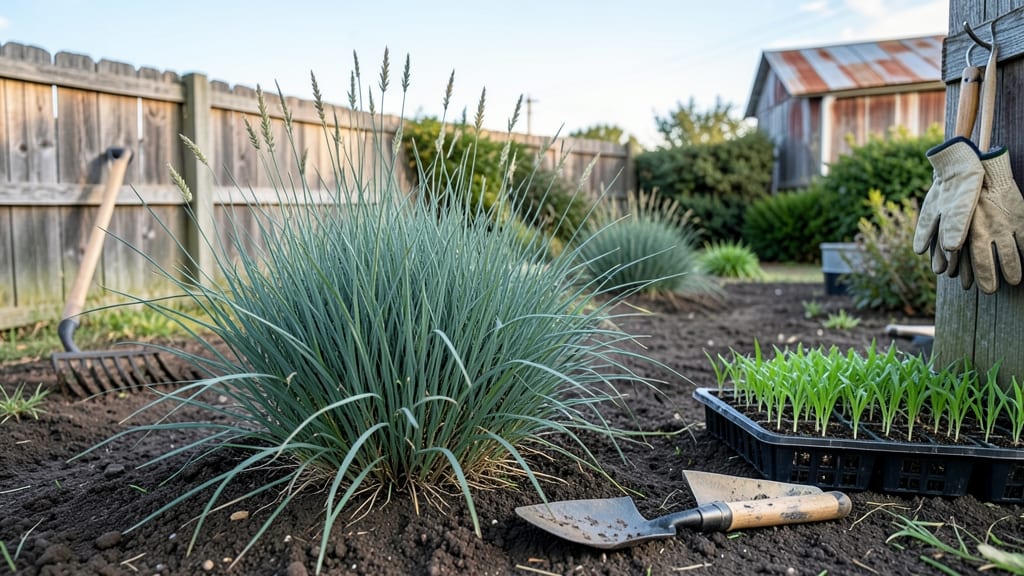
Planting ryegrass in Louisiana isn’t just about the calendar—it’s about beating the state’s unpredictable weather before the first frost hits. With USDA zones 8a-9b stretching from New Orleans’ coastal warmth to Shreveport’s cooler inland areas, timing can make or break your lawn’s winter resilience.
Miss the August-October window, and you’ll struggle with slow root growth or even failed germination. But get it right, and you’ll enjoy a lush, fast-establishing cover that outlasts Louisiana’s damp winters. The key? Understanding your microclimate’s unique deadlines.
Whether you’re prepping soil in Baton Rouge’s heat or waiting for temperatures to drop in Monroe, knowing when to plant 🌱 ryegrass means stronger roots, fewer weeds, and a lawn that stays green when others turn brown. Let’s break down the exact steps to nail your planting schedule.
From soil temperature checks to frost-free date calculations, I’ll show you how to plant 4-6 weeks before the first frost—the secret to a thick, hardy lawn that thrives in Louisiana’s climate. Ready to get started?
Louisiana’s ryegrass planting zones: coastal vs. inland deadlines
Planting ryegrass in Louisiana requires precision—your microclimate dictates the perfect window. Coastal areas like New Orleans have warmer soils longer, while inland zones near Shreveport face earlier frosts. The key? Plant when soil temps hit 55-65°F and 4-6 weeks before frost—but deadlines shift dramatically by region.
For South Louisiana (USDA Zones 8b-9a), aim for mid-August to early October. The Gulf’s lingering heat delays frost, giving you a 6-week extension compared to inland areas. In North Louisiana (Zones 7b-8a), shift your timeline to late August to mid-September—earlier frosts demand urgency.
Transition zones (like Lafayette or Baton Rouge) blend both climates. Here, late August to early October works, but monitor local frost forecasts. A single week’s delay can mean poor germination if frost strikes unexpectedly.
🌱
| Zone | Ideal Planting Window | Soil Temp Trigger | Frost Risk |
|---|---|---|---|
| South Louisiana (8b-9a) | Mid-August – Early October | 55-65°F (late August) | Low (Dec 10+) |
| Transition Zones (8a) | Late August – Early October | 55-65°F (early Sept) | Moderate (Nov 20-Dec 5) |
| North Louisiana (7b-8a) | Late August – Mid-September | 55-65°F (late Aug) | High (Nov 10-Nov 25) |
Use local frost dates as your anchor. The National Weather Service provides 30-year averages—bookmark their Louisiana climate maps for real-time adjustments. For example, Lake Charles averages a Dec 1 frost, while Monroe sees frost by Nov 20.
Pro tip: Test soil temps with a soil thermometer (bury it 2 inches deep). If temps dip below 55°F, delay planting—cold soils stunt germination. In humid Louisiana, this is especially critical to avoid fungal diseases like Pythium.
For winter overseeding, aim for January-February in North Louisiana, but skip this entirely in South Louisiana—the mild winters make it unnecessary. Focus instead on fall establishment for year-round resilience.
🌿
Need flexibility? Ryegrass varieties like Marshall or Aurora tolerate warmer soils better than Wrens Abruzzi. Choose based on your zone—coastal areas benefit from heat-tolerant strains, while inland zones need frost-hardy types.
Miss your window? Don’t panic. Planting in late October still yields 60% coverage if soils stay warm. Just reduce seed rates by 20%—thinner stands recover faster in Louisiana’s unpredictable springs.
Signs your Louisiana soil is ready for ryegrass (and when to delay)
Planting ryegrass too early in Louisiana’s unpredictable spring/fall transitions can leave your seeds vulnerable to heat stress or fungal rot. The key is watching for soil temperature cues and environmental signals that match your region’s microclimate.
In coastal areas like New Orleans, for example, soil may stay warm longer than inland Shreveport—delaying planting by 2-3 weeks.
Your first clue is soil temperature. Use a soil thermometer to confirm readings between 55-65°F at a 2-inch depth. In Louisiana’s USDA Zones 8a-9b, this typically aligns with late August to early October for fall planting.
If temperatures hover above 70°F, wait—high heat slows germination and invites disease.
Next, check leaf litter decomposition. Healthy ryegrass thrives in well-draining soil, but Louisiana’s clay-heavy earth can become compacted. If fallen leaves from oak or maple trees break down within 3-4 weeks, your soil’s microbial activity is ideal.
Slow decomposition? Amend with pine bark fines or compost to improve aeration before planting.
Pay attention to recent rainfall patterns. Louisiana’s humid subtropical climate means soil moisture fluctuates wildly. If you’ve had 2+ inches of rain in the past week, delay planting by 7-10 days to avoid waterlogged seeds.
Conversely, if the ground feels dry 1 inch below the surface, water deeply for 24 hours before sowing to trigger germination.
⚠️ Warning: Premature Planting Risks
- Heat stress: Soil temps >70°F cause seeds to overheat and fail.
- Fungal rot: Louisiana’s humidity + warm soil = Pyricularia (grass blight) risk.
- Poor germination: Seeds planted in dry, compacted soil won’t sprout evenly.
Pro Tip: Test soil moisture by squeezing a handful—if it crumbles easily, it’s ready. If it sticks, wait.
Don’t overlook local wildlife activity as a natural indicator. When fire ants begin foraging above ground (late August) or cicadas emerge in fall, it’s a sign temperatures are cooling enough for ryegrass. Conversely, if mosquitoes are still breeding aggressively in standing water, soil warmth lingers—wait another week.
Finally, time your planting to align with first frost dates. Aim to sow seeds 4-6 weeks before the average December 1 frost in most of Louisiana.
In South Louisiana (Zone 9a), this might mean planting as late as mid-October, while North Louisiana (Zone 8a) gardeners should start by early September.
By combining these soil, climate, and biological signals, you’ll avoid the most common mistakes Louisiana gardeners make—like planting too early and watching their ryegrass seeds turn to mush, or waiting too long and ending up with patchy winter coverage.
The right timing ensures fast root establishment and a lush, resilient lawn by December.