
Plants
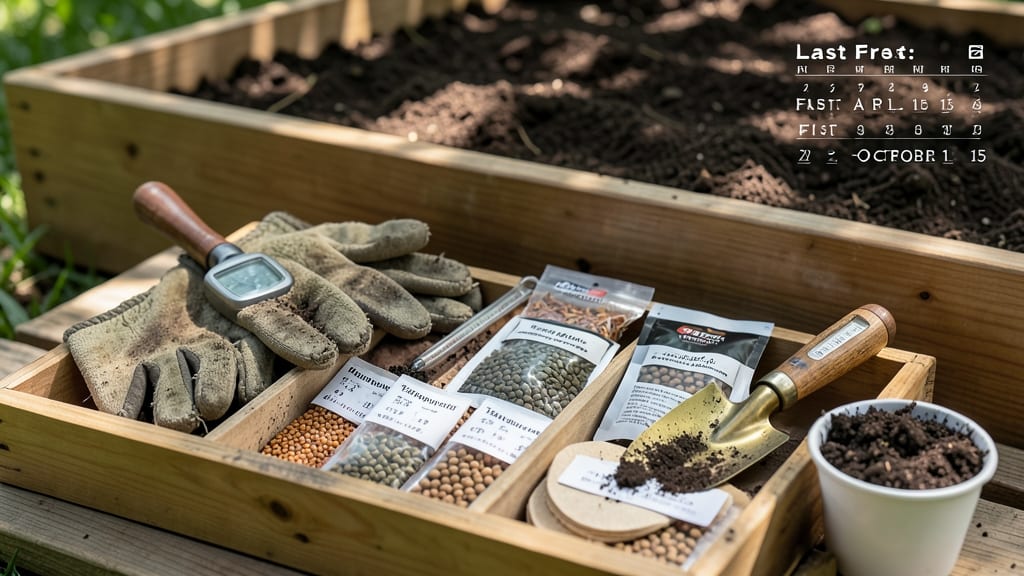
If you’ve ever stared at a seed packet wondering when to plant seeds in Tennessee and felt overwhelmed by the options, you’re not alone.
The Volunteer State’s mix of rolling hills, river valleys, and urban heat islands creates planting zones that can feel like solving a puzzle—especially when last frost dates jump from March 15 in Nashville to April 15 in Memphis.
Getting the timing wrong can mean the difference between a bountiful harvest and a sad, wilted 🌱. But here’s the good news: with the right schedule, you can start seeds indoors as early as February for cool-season crops or direct-sow outdoors in March-April when soil warms up.
I’ll break down the exact windows for your zone—whether you’re in the cooler mountains of East Tennessee or the warmer plains of West Tennessee—so you can avoid common mistakes and maximize your garden’s potential.
Let’s cut through the guesswork. You’ll discover the ideal months for planting everything from tomatoes to herbs, plus pro tips for adjusting to Tennessee’s microclimates. No more second-guessing—just confident planting that leads to thriving plants all season long.
Ready to turn your garden dreams into reality? Let’s dive into the zone-specific planting calendar that’ll make this your most successful growing season yet.
Tennessee planting zones: when to start seeds indoors vs. direct-sow outdoors
Tennessee spans USDA Hardiness Zones 5b through 8a, creating a patchwork of planting opportunities. In Zone 5b (eastern highlands like Bristol), you’ll need to start seeds indoors earlier, while Zone 8a (Memphis and West Tennessee) allows for extended outdoor sowing.
The key is understanding your last frost date—typically March 15 in Nashville and April 15 in Memphis—and adjusting seed-starting timelines accordingly.
Most Tennessee gardeners follow the 4-8 week rule for indoor starts: count backward from your last frost date to determine when to sow seeds. For example, if your last frost is April 1, start tomato seeds indoors in February (8 weeks before transplanting).
Meanwhile, cool-season crops like lettuce can often be direct-sown outdoors 2-4 weeks before your last frost, while warm-season crops like peppers need soil temperatures above 60°F before going outside.
Here’s how Tennessee’s zones break down for seed planting:
| Zone & Region | Indoor Start (Weeks Before Last Frost) | Direct-Sow Outdoors | Example Crops |
|---|---|---|---|
| Zone 5b (East TN: Bristol, Johnson City) | 8 weeks (Feb-March) | March-April (after last frost) | Tomatoes, Peppers, Broccoli |
| Zone 6a (Middle TN: Nashville, Chattanooga) | 6-7 weeks (late Feb-March) | April-May (soil at 60°F+) | Green Beans, Cucumbers, Basil |
| Zone 7a (West TN: Jackson, Clarksville) | 5-6 weeks (late March) | April-June (longer season) | Okra, Southern Peas, Eggplant |
| Zone 8a (West TN: Memphis, Dyersburg) | 4 weeks (April) | March-July (warm climate) | Sweet Potatoes, Peanuts, Melons |
🌱 Pro Tip: Use a soil thermometer to confirm 60°F+ for warm-season crops before direct-sowing.
For cool-season crops like spinach or peas, you can often direct-sow outdoors as early as February in Zone 8a or March in Zone 5b. These hardy plants tolerate light frosts, making them ideal for Tennessee’s early spring windows.
Meanwhile, warm-season crops like tomatoes and peppers should never go into cold soil—they’ll rot. Always wait until nighttime temperatures stay above 50°F before transplanting seedlings outdoors.
Microclimates matter too! Urban areas like Nashville often experience earlier last frosts than rural spots, while valleys in East Tennessee can stay colder longer. Use a local frost calendar (like the Old Farmer’s Almanac) or ask your local Cooperative Extension office for precise dates tailored to your neighborhood.
Even a 5-mile difference in elevation can shift your planting timeline by 1-2 weeks.
One of my biggest mistakes early on was planting tomatoes too soon in Zone 6a. I followed a general rule and sowed seeds in early February, but my seedlings became leggy and weak by transplant time.
After researching, I learned to start them in late February—closer to the 6-week mark before my April 1 last frost. The difference was night-and-day: stockier plants and a 2-week earlier harvest.
If you’re unsure about your zone, check the USDA Plant Hardiness Zone Map and cross-reference with Tennessee’s climate regions. For example, East Tennessee’s mountains (Zone 5b-6a) have shorter growing seasons, while West Tennessee’s Lowland Plains (Zone 7a-8a) allow for year-round planting of heat-loving crops.
Adjust your schedule accordingly—fall planting is also key in Tennessee, with cool-season crops like kale and radishes thriving until October-November.
For container gardening, you’ll need to account for warmer microclimates near buildings or patios. Containers heat up faster, so start seeds indoors 1-2 weeks earlier than ground planting. Use lightweight potting mix and ensure containers have drainage holes to prevent root rot in Tennessee’s humid summers.
Best month-by-month seed planting schedule for Tennessee gardens
Tennessee’s three distinct regions—East, Middle, and West—each have unique planting windows. East Tennessee’s cooler climate (Zone 6a) lets you start earlier, while West Tennessee’s warmer Lowland Plains (Zone 8a) extend your growing season. Knowing these month-by-month guidelines ensures your seeds thrive year-round.
For East Tennessee, focus on February through April for cool-season crops like spinach and peas. Meanwhile, Middle Tennessee gardeners can start March through May, and West Tennessee can push planting to April through June for warm-season favorites like tomatoes and okra.
🌱 February
East TN: Start spinach, lettuce, and peas indoors. Direct-sow onion sets and hardy greens in protected beds.
Middle/West TN: Wait until late February for cool-season crops like kale and radishes.
🌿 March
All Regions: Start tomatoes, peppers, and eggplants indoors (8-10 weeks before last frost). Direct-sow carrots, beets, and turnips outdoors.
West TN: Begin okra and sweet potatoes in late March.
☀️ April
East/Middle TN: Transplant tomatoes and peppers after last frost (around April 15). Direct-sow beans, cucumbers, and squash.
West TN: Plant southern peas and melons by mid-April.
In summer months, focus on heat-loving crops like okra, sweet corn, and peppers. July and August are ideal for fall crops like broccoli and kale, which thrive in cooler autumn temperatures. Always check soil temperatures—most seeds need 60-70°F to germinate successfully.
For fall planting, aim for August through September to ensure harvests before the first frost. Use row covers to extend your season, and choose fast-maturing varieties like radishes or bush beans for late-season success.
With this schedule, your Tennessee garden will stay productive from spring blooms to winter greens!