
Shrubs
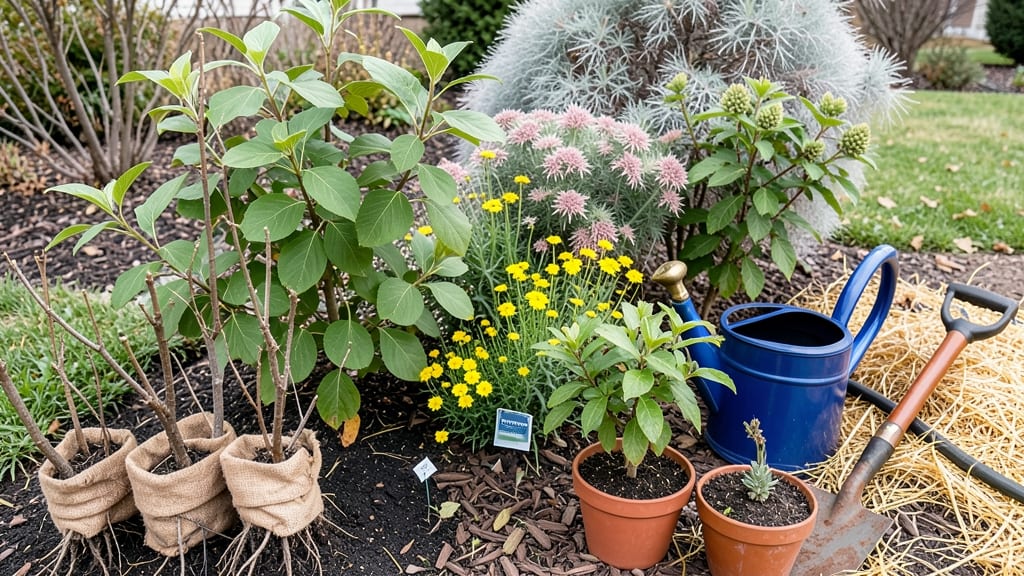
Timing your shrubs planting in Colorado could make or break your garden's success—especially when temperatures swing wildly between zones. Whether you're in Denver's urban heat or the high-altitude foothills, getting it wrong means struggling with stunted growth or frost-damaged roots. The good news? With the right deadlines, you can plant 🌿 shrubs that thrive year after year.
Most Colorado gardeners know spring and fall are the prime windows, but the exact timing depends on your hardiness zone. In USDA zones 5-7, you'll want to wait until late May for the last frost to pass—or opt for fall planting in September before the first frost hits.
Microclimates add another layer: mountain gardens often need a later start than Front Range yards, where urban heat can push planting windows earlier.
Don't worry if your schedule feels tight—this guide breaks down zone-specific deadlines, soil prep tricks, and even container planting hacks to extend your window. You'll learn which shrubs handle Colorado's unpredictable weather best, from drought-resistant ninebark to cold-hardy serviceberry. Let's get your garden set up for success.
Ready to transform your yard? We'll cover everything from soil temperature checks to frost protection tips, so you can plant with confidence—no more guessing games. Your shrubs will thank you with lush growth and vibrant blooms all season long.
Colorado planting zones: when to plant shrubs by hardiness (4-8)
Colorado’s diverse USDA hardiness zones (4a-8b) create unique planting windows for shrubs, where timing can make or break your success. In Zone 4 (northern mountains), you’ll plant 4-6 weeks later than in Zone 7b (Denver metro).
Understanding these zones helps you avoid late spring frosts that can kill tender new roots.
Most Colorado gardeners focus on spring planting (April-May) and fall planting (September-October), but your exact deadline depends on your zone. For example, Colorado blue spruce thrives in Zone 3-7, while butterfly bush prefers Zone 5-9.
Let’s break down the best months for each zone, plus soil prep tips to get your shrubs off to a strong start.
🌱 Pro Tip: Use your last average frost date as your planting trigger. In Denver (Zone 5b), that’s typically April 15, while in Grand Junction (Zone 6b), it’s March 20. Check local CoCoRaHS data for precision.
| Zone | Last Frost | Best Planting Window | Soil Prep Time | Zone-Specific Shrubs |
|---|---|---|---|---|
| 4a-4b (Steamboat, Aspen) | May 10-20 | May 21 - June 15 | April 1-15 (cold soil) | Colorado blue spruce, serviceberry, ninebark |
| 5a-5b (Denver, Fort Collins) | April 15-30 | April 30 - May 15 | March 15-April 1 | Potentilla, viburnum, lilac |
| 6a-6b (Colorado Springs, Pueblo) | March 20-April 10 | March 20 - April 15 | February 15-March 1 | Butterfly bush, smoke bush, Russian olive |
| 7a-7b (Grand Junction, Durango) | February 20-March 10 | February 20 - March 20 | January 15-February 15 | Desert willow, Texas ranger, Mexican petunia |
| 8a-8b (Alamosa, south San Luis Valley) | January 15-February 10 | January 15 - February 15 | December 15-January 15 | Yucca, ocotillo, agave |
For fall planting, aim to get shrubs in the ground 6-8 weeks before first frost. In Zone 5b, that’s September 1-15, while Zone 7b can extend until October 15. Fall-planted shrubs establish roots before winter, giving them a head start in spring.
Soil preparation is half the battle. Colorado’s clay-heavy soils need amendments like compost or sand to improve drainage. Test your soil’s pH (6.0-7.0 ideal) and adjust with lime or sulfur. Evergreens like spruce prefer acidic soil (pH 5.0-6.0), while deciduous shrubs like serviceberry thrive in neutral soil.
Watering is critical during the first 2 weeks after planting
Microclimate adjustments: mountain vs. Front Range vs. Eastern Plains planting deadlines
Colorado’s dramatic elevation changes create three distinct planting zones—each with its own frost schedule. In the Front Range (Denver/Boulder), last frosts typically arrive by May 1-15, while high-mountain areas like Eagle County can wait until June 1-15.
The Eastern Plains (Pueblo area) often sees earlier last frosts around April 15-30.
These variations mean your Zone 6 garden in Fort Collins might need 2-4 weeks earlier planting than a Zone 5 mountain garden just 50 miles away. Understanding these microclimates helps you avoid late frost damage or missed planting windows.
| Region | USDA Zone | Last Frost | First Frost | Best Planting Window |
|---|---|---|---|---|
| Front Range (Denver/Boulder) | 6a-6b | May 1-15 | September 20-30 | April 20-May 10 or Sept 15-30 |
| High Mountains (Eagle, Summit) | 5a-5b | June 1-15 | September 1-15 | May 20-June 10 or Aug 20-Sept 10 |
| Eastern Plains (Pueblo) | 7a-7b | April 15-30 | October 1-15 | April 1-May 1 or Sept 15-Oct 1 |
Urban heat islands in cities like Denver can push planting windows 1-2 weeks earlier than rural areas. For example, butterfly bush thrives in Denver’s Zone 6b but may struggle in high-altitude Zone 5 without protection. Always check your local frost dates using resources like the Colorado State University Extension.
Wind exposure also matters—mountain gardens often need windbreaks to protect young shrubs. In Boulder’s foothills, plant serviceberry or smoke bush on the leeward side of fences to reduce transplant shock. These adjustments can mean the difference between surviving winter and thriving year-round.
For container planting in late-start zones, choose cold-hardy shrubs like ninebark or potentilla. These tolerate delayed planting better than tender varieties. Always water deeply before frost to help roots establish before winter dormancy.
Pro tip: Use row covers to extend spring planting by 2-3 weeks in high-altitude areas. Remove covers by late May to avoid overheating. This simple trick can turn a failed Zone 5 attempt into a successful summer display.