
Plants
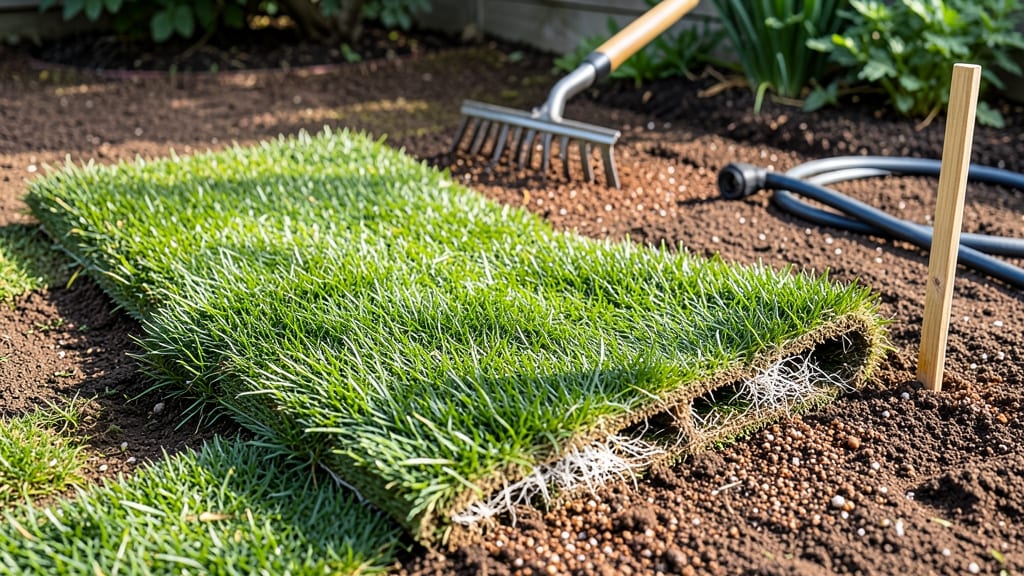
Timing your sod planting in Georgia wrong can mean the difference between a lush, green lawn and a patchy, struggling mess—especially when you're dealing with 7b-8b climate zones.
Whether you're in the humid coastal plains or the cooler mountain regions, getting the window right is critical for fast root growth and long-term success.
Most Georgia homeowners assume spring is the only time to plant, but fall actually offers cooler temperatures and better establishment—if you know the exact months to aim for.
I’ll break down the best months for each microclimate, so you can avoid common mistakes like planting too late in summer or too early before frost.
You’ll also discover how to prepare your soil, check weather forecasts, and create the perfect conditions for your 🌱 sod to take root in just 2-4 weeks. No more guessing—just science-backed timing tailored to Georgia’s quirks.
Ready to transform your yard? Let’s dive into the fastest, most reliable way to plant sod in Georgia, no matter where you live in the state.
Georgia’s best sod planting months by region (coastal, Piedmont, and mountain zones)
Georgia’s climate varies dramatically from the coastal plains to the mountainous north, so timing is everything for sod success. The University of Georgia Extension recommends planting when soil temperatures stay above 60°F for consistent root growth.
Coastal areas like Savannah can start as early as February, while the mountains near Blue Ridge may need to wait until late April to avoid frost risks.
Spring planting—March through May—is ideal because cooler air temperatures and frequent rain help sod establish before summer’s heat stress. Fall planting—September through November—gives sod time to root before winter dormancy, but avoid planting too close to first frost (typically mid-November in most regions).
Here’s how Georgia’s three distinct regions differ in their best planting windows:
For coastal Georgia, early spring (February–March) is your best bet, as summer’s oppressive heat can stress newly laid sod. In the Piedmont, aim for March–April to balance soil warmth with manageable humidity.
Meanwhile, mountain regions should delay until late April to avoid late frosts that can kill tender roots.
Fall planting in Georgia works best from September through October, giving sod 6–8 weeks to establish before winter. However, avoid planting in November, as cooler nights and shorter days slow root growth. Use a soil thermometer to confirm temperatures stay above 55°F at a 4-inch depth.
Pro tip: Check the UGA Weather Network for 7-day forecasts before planting. Look for consistent rain (1–1.5 inches per week) to reduce your watering workload during the critical first 2 weeks. If drought warnings are issued, delay planting until conditions improve.
One common mistake Georgia homeowners make is planting sod during peak summer months (June–August). The combination of 90°F+ soil temps and low humidity can cause sod to dry out and fail to root.
If you must plant in summer, opt for shade-tolerant varieties like St. Augustinegrass and water twice daily.
For fall planting, prioritize September over October to maximize root establishment. Sod planted in late October may not have enough time to develop deep roots before winter dormancy, leaving it vulnerable to freeze-thaw cycles. Aim for a 60–70°F soil temperature at planting time for optimal success.
Regardless of region, always test your soil’s pH before planting. Georgia’s clay-heavy soils often test acidic (pH < 6.0), which can stunt sod growth. Adjust with lime if needed to reach a target pH of 6.0–7.0. This step is non-negotiable for long-term lawn health.
How to prepare your Georgia lawn for sod planting (soil, weather, and timing checks)
Before rolling out your Georgia sod, proper preparation is the secret to a lush, long-lasting lawn. The Peach State's clay-heavy soils and unpredictable weather demand extra attention—skipping prep steps often leads to poor root establishment or weed infestations.
I’ve learned the hard way that even the best sod can fail if the ground isn’t ready!
Start by testing your soil pH (Georgia’s natural acidity often sits around 6.0-6.5). Aim for a neutral pH of 6.0-7.0—use lime to raise pH if needed.
The University of Georgia Extension recommends testing kits or lab analysis for accuracy. Don’t rush this step; soil prep can take 2-4 weeks before planting.
Next, clear the area of debris and weeds. Use a non-residual herbicide like glyphosate 2 weeks before planting to kill weeds without harming your new sod. For stubborn weeds, hand-pull them first—Georgia’s humid climate helps weeds spread fast!
After herbicide treatment, till the soil to a depth of 4-6 inches to break up compaction.