
Plants
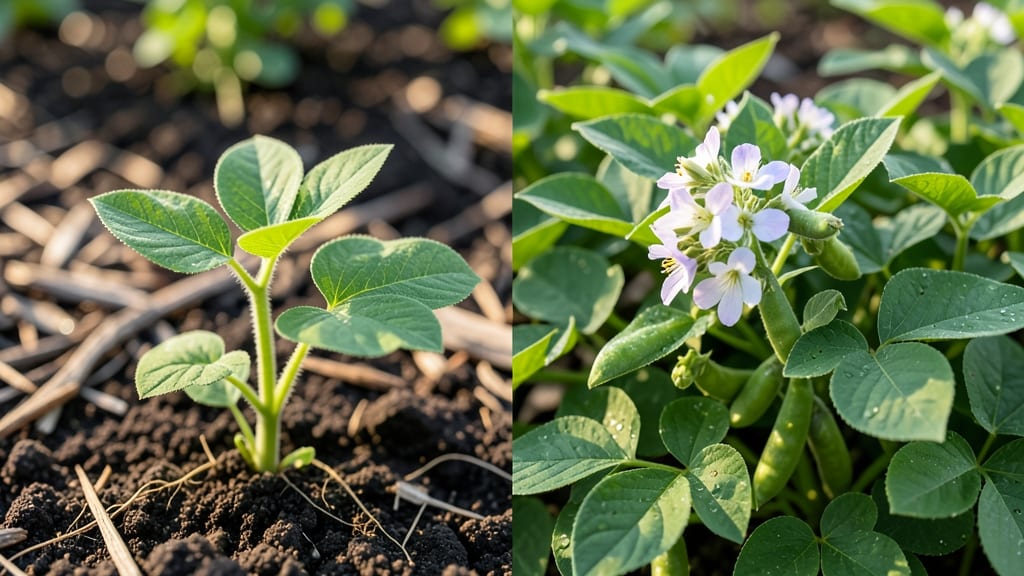
Optimal soybean planting windows in Alabama for deer food plots
Timing is everything when planting soybeans for deer forage in Alabama. The ideal window spans from late April to early May, aligning with soil temperatures of at least 60°F and after the last frost date.
This ensures vigorous growth before summer heat sets in, maximizing protein-rich forage for whitetails during rut season and beyond.
Alabama’s USDA zones 7b-8b create a unique climate where soybeans thrive. The primary planting window avoids both late frosts (common in March) and the intense summer heat that can stress young plants. For fall planting, aim for late August to early September to establish roots before cooler temperatures arrive.
Here’s how to align your planting with Alabama’s climate for peak deer forage:
| Planting Window | Soil Temp Requirement | Deer Forage Peak | Notes for Alabama |
|---|---|---|---|
| Late April - Early May | 60°F+ | July - August | Best for summer forage; avoid late frosts |
| Late August - Early September | 60°F+ | November - December | Fall forage for late-season deer activity |
| Early June (emergency) | 65°F+ | September | Risk of drought; use only if late planting |
For northern Alabama (USDA 7b), push planting to mid-May to avoid late spring frosts, while southern Alabama (USDA 8b) can plant as early as late March in frost-free areas. Always check your local Alabama Extension office for last frost dates—they’re your best guide to avoiding frost damage.
Adjust your planting timeline based on rainfall patterns. Alabama’s summer droughts can stress soybeans, so planting in April-May gives plants a head start before dry spells hit. If you’re in a drier region, consider irrigation-ready varieties like 'Lee 78' to ensure consistent growth.
Pro tip: Plant soybeans when daytime highs are consistently above 75°F—this signals the start of rapid growth. Use a soil thermometer to confirm temperatures before seeding. For deer, this timing ensures peak forage during September-October, when bucks are most active.
Missed the spring window? Don’t despair—fall planting (late August) still yields high-protein forage for winter deer. Just be prepared for earlier frosts in October, which can slow growth. Mulch young plants to protect roots and extend the growing season by 2-3 weeks.
For maximum deer appeal, aim to have soybeans reach 2-3 feet tall by September 1st. This height provides shade and cover while offering easy access to pods. Deer prefer mature plants with plump pods, so timing is key to creating a whitetail magnet.
Remember: Soybeans for deer aren’t just about protein-rich pods—they’re about habitat structure. Planting at the right time ensures your food plot becomes a year-round deer destination, not just a seasonal snack.
Optimal soybean planting windows in Alabama for deer food plots
Alabama’s USDA zones 7b-8b create a perfect window for planting soybeans between late April and early May, when soil temperatures consistently hit 60°F+. This timing ensures vigorous growth before summer heat peaks, giving deer a protein-packed forage from July through August.
For fall plantings, aim for September to early October to avoid frost damage. Soybeans planted too late won’t mature before first frost (Nov 15), leaving deer without late-season food. Always check your local last frost date—North Alabama may plant 1-2 weeks earlier than South Alabama.
Use a soil thermometer to confirm readiness. Plant when soil temps stay above 60°F for 5+ days. Cold soils slow germination, and deer won’t benefit from stunted plants. In drought-prone areas, prioritize planting after rain to ensure moisture retention.
🌱 Alabama Soybean Planting Guide
| Season | Planting Window | Key Conditions | Deer Forage Timeline |
|---|---|---|---|
| Spring | Late April–Early May | Soil ≥60°F, no frost risk | July–August (peak forage) |
| Fall | September–Early October | 100+ frost-free days left | November–December (late-season browse) |
| Adjustments | Early April (risky) | Soil temps <60°F | Slower growth, lower yield |
| — | Late May | Heat stress risk | Reduced forage quality |
If you’re in North Alabama (higher elevations), plant 1-2 weeks earlier than the state average. These areas experience cooler soils and later frost dates. Conversely, South Alabama’s warmer microclimates may extend the planting window into early June, but yields drop significantly after May 15.
For year-round deer forage, combine spring and fall plantings. Spring soybeans provide summer forage, while fall plantings extend food availability into winter. Just ensure fall varieties mature before first frost—most Alabama-friendly types (like 'Bragg') take 90-100 days to harvest.
Pro tip: Mark your calendar for May 1 as the absolute deadline for spring plantings. After this date, heat stress and drought reduce soybean quality, making them less appealing to deer. Prioritize early May plantings in dry years to maximize moisture retention.