
Plants
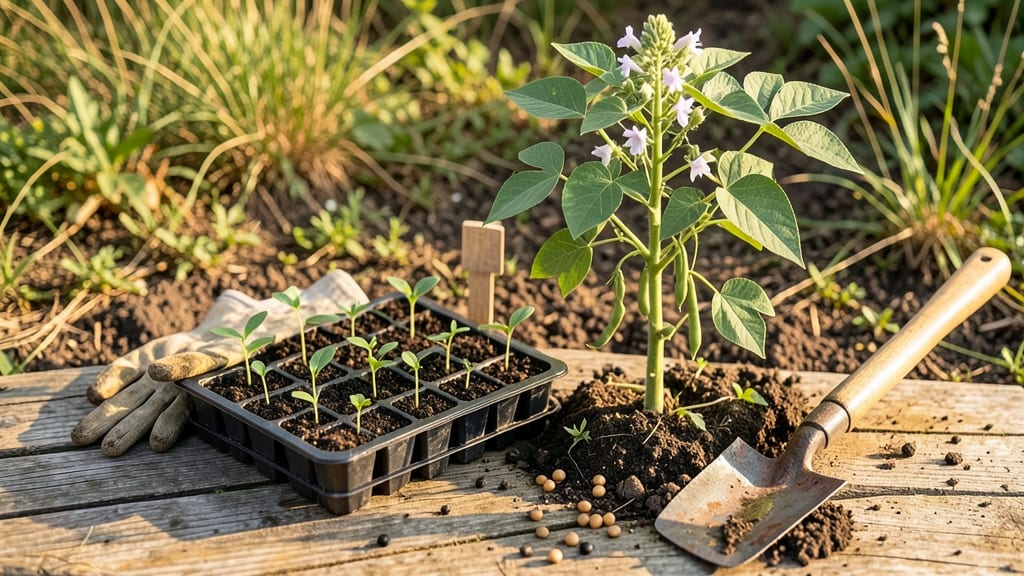
Timing your soybean 🌱 planting in Missouri isn’t just about grabbing seeds and sticking them in the ground—it’s a science that can make or break your harvest.
Whether you're a seasoned farmer or a backyard gardener, getting those beans in the soil between April 15 and June 1 is critical to avoid frost damage or missed yield potential.
Missouri’s USDA Zones 5b-6b create unique challenges, from unpredictable spring frosts to summer heat that can stress young plants. The key? Planting when soil temperatures hit 60°F and at least two weeks after the last frost—usually around April 15 in most regions.
But here’s the catch: rushing too early or delaying too late can leave your crop vulnerable to pests, poor germination, or even complete failure.
In this guide, I’ll break down the exact planting windows that work for Missouri’s climate, how to adjust for your specific zone, and the simple tricks pros use to maximize their yields. No guesswork—just data-backed timing to help you grow a thriving soybean crop.
Ready to turn your planting season into a high-yield success? Let’s dive into the details that will set you up for a harvest between September and October—when those pods are plump, green, and ready to pick.
Ideal soybean planting dates in Missouri by USDA Zone 5-6
Missouri's USDA Zones 5b-6b create a unique challenge for soybean growers. The last frost date typically falls around April 15, but soil conditions and microclimates vary dramatically between northern and southern regions.
Planting too early risks frost damage to tender seedlings, while late planting can reduce yield potential by shortening the growing season.
For most of Missouri, the optimal planting window spans from mid-April to mid-May. This timeline balances frost risk with soil temperature requirements. Soybeans need soil temperatures above 60°F (15°C) for consistent germination.
In northern Missouri, this often means waiting until late April, while southern regions can start as early as mid-April.
🌱
| Region | USDA Zone | Last Frost Date | Ideal Planting Window | Soil Temp Threshold |
|---|---|---|---|---|
| Northern Missouri | 5b | April 20-May 1 | May 1-15 | 60°F+ |
| Central Missouri | 6a | April 10-20 | April 20-May 10 | 60°F+ |
| Southern Missouri | 6b | April 1-10 | April 15-May 5 | 60°F+ |
| Missouri River Valley | 5b-6a | April 15-25 | April 25-May 10 | 60°F+ |
Missouri State University Extension Service recommends using soil thermometers to verify conditions. In my experience, early May planting offers the best balance for most gardeners. This timing allows seedlings to establish before summer heat arrives, while still providing enough time for maturity before the first frost in late October.
For gardeners in USDA Zone 5b, particularly in northern counties, consider early-maturing varieties like 'Williams' or 'Amsoy'. These can tolerate slightly later planting while still reaching maturity. The Missouri Climate Center tracks frost dates annually—check their frost probability maps for real-time adjustments to your planting schedule.
One critical factor often overlooked is microclimates. Areas near large bodies of water or urban heat islands may experience earlier soil warming by 1-2 weeks. If you notice your soil warming faster than neighbors, you can safely plant 2-3 weeks earlier than the general guidelines suggest.
Extending planting into late May or early June is possible but risky. Each week delayed reduces potential yield by about 1-2%. For example, planting on June 1 in southern Missouri might still produce a harvest, but expect 30-40% lower yields compared to mid-April plantings.
Use this extended window only for short-season varieties or small-scale gardens.
🌾
To maximize success, combine planting dates with seed treatment applications. Treated seeds resist soil-borne diseases better, giving young plants a fighting chance if planted at the edges of the recommended window.
I always keep a 10-day buffer between my target planting date and the last frost date to account for unexpected weather delays.
For precise timing, calculate your frost-free growing season. Missouri typically offers 165 frost-free days, but this varies by location. Subtract your maturity group days (e.g., 90 days for medium maturity) from this total to determine your absolute latest planting date.
This calculation prevents costly mistakes when planning for fall harvests.
💡
How to adjust planting timing for Missouri’s soil conditions and variety maturity
Missouri’s diverse soil types—from clay-heavy regions in the north to loamy soils in the south—can drastically alter your soybean planting window. For example, clay soils retain moisture longer, delaying ideal planting dates by 1-2 weeks, while sandy soils dry out faster, requiring earlier sowing.
Always test your soil’s moisture-holding capacity before planting to avoid waterlogged seeds.
Your choice of soybean variety also dictates timing. Early-maturity varieties (Group I-II) thrive when planted by April 20-May 10, while late-maturity types (Group IV-V) need a June 1-15 window to reach maturity before frost. Check the maturity group on seed packets—it’s your best guide for local success.
Missouri’s climate variability means northern regions (USDA Zone 5b) should plant 2 weeks earlier than southern areas (Zone 6b). Use the 50°F soil temperature rule as a baseline, but wait until it consistently stays above 60°F for 5+ days—this ensures rapid germination and avoids seed rot in cooler soils.
| Factor | Adjustment | Example |
|---|---|---|
| Soil Type | Planting Window Shift | Clay: Delay by 1-2 weeks | Sandy: Plant 1-2 weeks early |
| Maturity Group | Optimal Planting Date | Group I-II: April 20-May 10 | Group IV-V: June 1-15 |
| USDA Zone | Regional Timing | Zone 5b: April 15-May 5 | Zone 6b: May 1-15 |
| Soil Temp | Germination Risk | Below 60°F: Delay planting | Above 60°F: Safe to sow |
Use growing degree days (GDD) to fine-tune your schedule. Missouri’s average 2,800–3,200 GDD growing season means early varieties need 2,500 GDD to mature, while late types require 3,000+ GDD. Track local GDD using the Missouri Climate Center’s tools—this helps avoid late-season frost damage before harvest.
If you’re planting late (after May 20), prioritize fast-maturing varieties and monitor weather forecasts for early frost warnings. Delayed planting can reduce yields by 10–20%, but proper variety selection and soil prep can mitigate risks. Always leave a 30-day buffer before the first frost date in your area.
For clay-heavy soils, incorporate organic matter (like compost) 4–6 weeks before planting to improve drainage. In sandy soils, mix in peat moss to retain moisture. These adjustments ensure your soybeans establish roots quickly, regardless of Missouri’s unpredictable spring weather.