
Plants
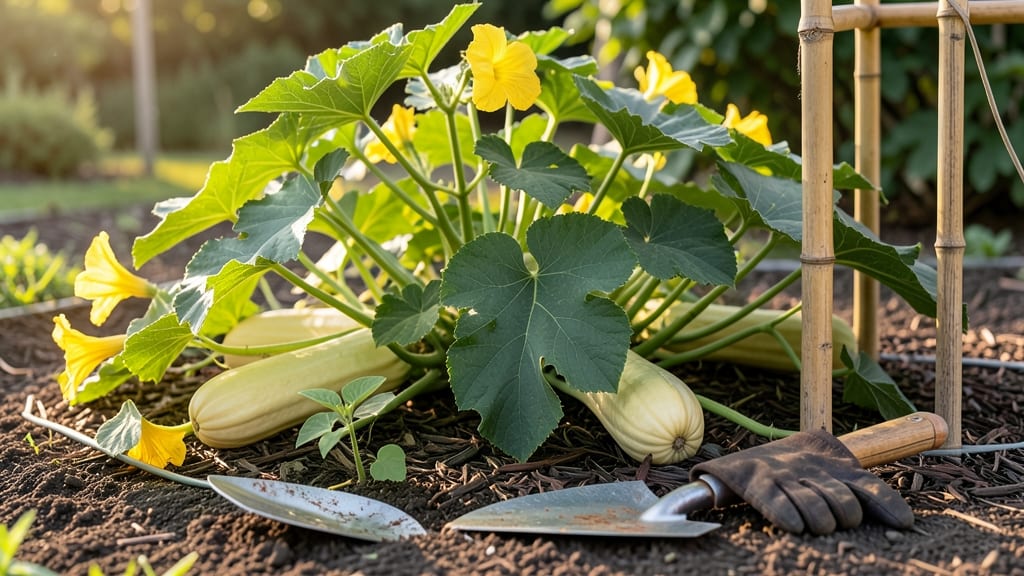
If you’ve ever tried planting spaghetti squash 🎃 in Florida’s sweltering heat and ended up with wilted vines instead of harvest-ready fruit, you’re not alone.
The key to success isn’t just when you plant—it’s choosing the right window to beat the humidity and extreme temperatures that can turn your garden into a battleground.
Florida’s frost-free zones (like 9a-11) give you two prime chances to grow this versatile squash: spring and fall. But timing is everything—plant too early, and the soil stays too cool; too late, and the summer sun will fry your plants before they even flower.
I’ll break down the exact months to start seeds or transplants, plus the heat-resistant varieties that actually thrive in Florida’s climate.
You’ll also discover how to work with Florida’s microclimates—whether you’re in the steamy Panhandle or the tropical Keys—to maximize your yield. No more guessing games: just proven strategies to turn your garden into a spaghetti squash powerhouse, even when the thermometer hits 90°F.
Ready to ditch the trial-and-error? Let’s get into the perfect planting schedule that’ll have you harvesting June-July and November-December squash—without the stress.
Best planting months for spaghetti squash in Florida’s climate zones
Florida’s unique climate—with its long growing seasons and frost-free winters—gives you two prime windows to plant spaghetti squash: spring and fall. Unlike northern states, you won’t need to worry about frost, but heat and humidity can still derail your harvest if you plant at the wrong time.
The key? Timing your seeds to avoid Florida’s hottest months (June-August) when temperatures often exceed 90°F (32°C).
Spaghetti squash thrives in USDA Zones 8A-10A, which cover Florida’s entire peninsula. However, even within these zones, microclimates vary—coastal areas (like Miami) stay warmer longer, while inland regions (like Orlando) may experience slightly cooler nights.
For optimal growth, aim to plant when soil temperatures hit 70°F (21°C) and stay consistent. Below, I’ll break down the exact months for each Florida zone, plus pro tips to beat the heat.
🌱
📅 Florida Spaghetti Squash Planting Guide by Zone
| Zone | Spring Planting Window | Fall Planting Window | Soil Temp Requirement | Key Risks to Avoid |
|---|---|---|---|---|
| 8A (North FL: Jacksonville, Gainesville) | Mid-March to early April | Late August to mid-September | 70°F (21°C)+ | Late spring heatwaves, hurricane season |
| 9A (Central FL: Orlando, Tampa) | Late February to March | Early September to early October | 70°F (21°C)+ | Summer droughts, fungal diseases |
| 9B-10A (South FL: Miami, Fort Lauderdale) | January to early February | Mid-September to October | 70°F (21°C)+ | Hurricane damage, extreme humidity |
| 10B (Key West, Everglades) | December to January | October to November | 70°F (21°C)+ | Salt spray, tropical storms |
💡 Pro Tip: Use a soil thermometer to confirm temps before planting—cold soil delays germination!
If you’re in North Florida (Zone 8A), your spring window is tight—plant too late, and you’ll face 90°F+ temperatures by May, which stresses squash plants.
In South Florida (Zones 9B-10A), you can push fall planting into November since frost is rare, but watch for hurricane season (June-November) and protect young plants with row covers.
For coastal gardeners, salt spray can damage leaves, so plant at least 50 feet inland or use drip irrigation to avoid foliar salt buildup.
Inland areas like Orlando and Ocala have lower humidity, making them ideal for longer growing seasons—you might even squeeze in a second fall harvest if you start seeds in early August and use shade cloth.
🌡️
One common mistake I see in Florida gardens? Planting spaghetti squash in May or June for a summer harvest. While the vines might grow, the fruit quality suffers—expect small, seedy squash or bitter-tasting flesh due to heat stress.
Instead, focus on spring and fall, when daytime temps stay below 85°F (29°C) and nighttime temps dip slightly, helping the plants set fruit properly.
To maximize your yield, pair your planting schedule with succession planting. Start seeds indoors 3-4 weeks before your zone’s ideal outdoor date (use grow lights if natural light is limited).
Then, harden off seedlings and transplant them after the last chance of frost—though Florida rarely sees frost, cool snaps in January can still slow growth.
For container gardeners, choose 5-gallon pots or larger to accommodate the sprawling vines (they can grow 3-4 feet tall and spread 2-3 feet wide). Place containers in full sun and use lightweight potting mix to prevent
Best planting months for spaghetti squash in Florida’s climate zones
Florida’s warm climate means spaghetti squash grows year-round, but timing is everything to avoid heat stress and hurricane damage. The ideal planting window is March–April for spring harvests and September–October for fall.
These months balance soil warmth (70°F+) and cooler temperatures (below 90°F), preventing blossom drop or poor fruit set.
Northern Florida (Zones 8A–9A) can start 2–3 weeks earlier (late February) since mornings stay cooler. Southern Florida (Zones 10A–11) should avoid summer planting entirely—June–August heat (above 95°F) stunts growth and attracts squash vine borers.
Even shade cloth won’t fully protect vines from extreme humidity and fungal diseases like powdery mildew.
| Zone | Best Planting Window | Soil Temp Requirement | Harvest Window | Key Risks |
|---|---|---|---|---|
| 8A–9A (North FL) | Late Feb–Early Apr Sep 15–Oct 15 |
70°F+ | June–July Nov–Dec |
Late frosts (rare) Hurricane season |
| 10A–11 (South FL) | Mar 15–Apr 15 Sep 1–Oct 10 |
75°F+ | June–July Oct–Nov |
Extreme heat Pests (squash bugs) |
For container growing, start seeds indoors 4–6 weeks before your zone’s last frost date (though Florida rarely has frost). Use black plastic mulch to warm soil faster—this lets you plant 1–2 weeks earlier in spring. In fall, prioritize well-draining soil to prevent root rot from Florida’s heavy rains.
Pro tip: Direct-sow seeds (don’t transplant seedlings) for stronger vines. Florida’s sandy soil drains too fast, so mix in 2–3 inches of compost before planting. Aim for 2–3 feet of space between hills to improve airflow and reduce disease.
If you’re pushing the limits and planting in May or August, use 50% shade cloth during peak sun hours (11 AM–3 PM) and drip irrigation to keep roots cool. Just be prepared for smaller yields—heat stress cuts fruit size by 30–50%.
Always monitor hurricane forecasts in late summer. If a storm’s coming, harvest ripe squash immediately—vines can’t withstand wind damage, and unpicked fruit may rot from prolonged rain.