
Plants
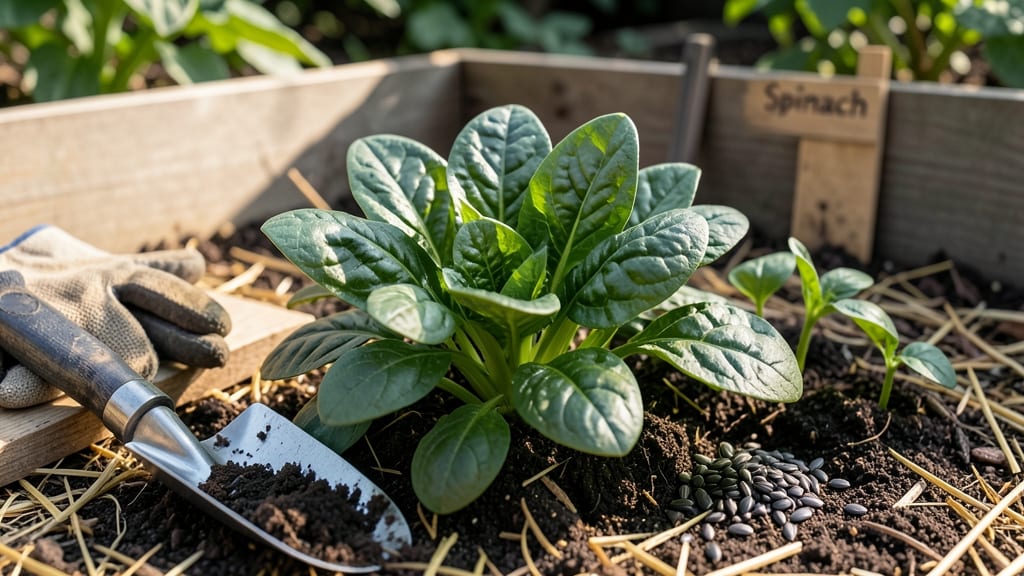
Knowing when to plant spinach in Kentucky is the difference between a thriving garden and a wasted effort. One week too early, and frost will turn your tender 🌱 spinach into a sad, icy mess.
Too late, and Kentucky’s unpredictable spring heat will send your plants bolting before you even get a harvest. The good news? With the right timing, you can enjoy fresh, crisp spinach from spring through fall—even in Kentucky’s varied climate zones.
Kentucky’s 6a-7a zones mean your planting window isn’t one-size-fits-all. The Bluegrass Region’s milder winters might let you start spinach as early as February, while the Cumberland Plateau’s colder microclimates could push you back to March.
The key is working with your local frost dates—aim for 4-6 weeks before your last frost in spring and 8-10 weeks before the first frost in fall.
But timing isn’t just about dates—it’s about strategy. I’ll show you how to choose the right spinach varieties for Kentucky’s heat, when to use shade cloth to delay bolting, and how succession planting can stretch your harvest from May to November.
Whether you’re a first-time gardener or a seasoned pro, these tips will help you grow spinach that’s bolt-resistant, flavorful, and ready to harvest when you need it most.
Ready to stop guessing and start growing? Let’s dive into the exact planting windows, soil prep tricks, and variety picks that’ll make your Kentucky spinach the envy of the neighborhood. Your first crisp harvest is just a few weeks away—if you plant at the right time.
Kentucky spinach planting zones: microclimate-specific dates by region
Kentucky’s diverse geography—from the Bluegrass Region to the Cumberland Plateau—creates unique microclimates that demand tailored spinach planting strategies. I’ve broken down the optimal planting windows for each zone, accounting for last frost dates and elevation adjustments that can shift your harvest by weeks.
Use these guidelines to avoid bolting and maximize your 45-60 day harvest window.
For USDA Zones 6a-7a, spinach thrives in cool-season windows: early spring (March-April) and late summer (August-September). However, Kentucky’s 180 frost-free days vary by region—so I’ve included specific dates for 5 key microclimates.
Pro tip: Urban areas like Louisville experience heat islands that can push back planting by 1-2 weeks compared to rural zones.
🌱 Visual Guide: Kentucky Spinach Planting Zones
| Region | USDA Zone | Last Frost Date | Spring Planting Window | Fall Planting Window | Harvest Window |
|---|---|---|---|---|---|
| Bluegrass Region | 6b-7a | April 1-15 | March 15-April 1 | August 15-Sept 15 | May-June & Oct-Nov |
| Pennyrile Plain | 7a | April 10-20 | March 20-April 5 | August 1-Sept 10 | May-June & Oct-Nov |
| Cumberland Plateau | 6a-6b | April 1-10 | March 1-April 1 | August 10-Sept 10 | May-June & Sept-Oct |
| Jackson Purchase | 7a-7b | April 5-15 | March 10-April 1 | July 30-Sept 5 | May-June & Oct |
| Knobs Region | 6a-6b | April 1-10 | March 1-April 1 | August 15-Sept 15 | May-June & Sept-Oct |
In the Bluegrass Region, where mild winters prevail, you can start spinach as early as mid-March under row covers to jumpstart growth. I recommend planting ‘Tyee’ spinach here—it tolerates 40°F soil temps and resists bolting better than most varieties.
For the Cumberland Plateau, wait until after April 1 to avoid late frosts, which can blacken tender leaves overnight.
Fall planting is trickier in Kentucky’s humid climate. Aim to sow seeds 8-10 weeks before your first frost (typically mid-September for most regions). In the Jackson Purchase, where summers linger longer, push fall planting to late July to avoid heat stress.
Always use shade cloth (30-50%) if planting in August to prevent bolting.
Urban gardeners in Louisville or Lexington face unique challenges due to urban heat islands. These areas can be 5-10°F warmer than rural zones, pushing back planting by 1-2 weeks.
Monitor your local soil temperature—spinach germinates best at 45-85°F, but growth stalls above 80°F. Use a soil thermometer to time your plantings perfectly.
For elevation adjustments, add 1 week to planting times for every 500 feet above sea level. The Cumberland Plateau, with elevations up to 4,000 feet, may need spinach planted 2-3 weeks earlier than the Bluegrass Region to align with frost dates.
Always check local almanac records for the past 5 years to account for climate shifts.
Pro tip: Kentucky’s fall harvests often yield sweeter spinach than spring crops. If you’re in Zone 6a, like the Knobs Region, you can even overwinter spinach with straw mulch (4-6 inches) for early spring harvests.
Just be prepared to thin seedlings aggressively—spinach planted in fall often self-thins due to competition.
🌿 Remember,
How to avoid spinach bolting in Kentucky’s unpredictable spring weather
Kentucky’s spring weather is famously fickle—one day it’s 30°F, the next 75°F—and spinach hates inconsistency. When temperatures swing too fast, your spinach bolts (sends up flower stalks) before you can harvest.
The key is to time your plantings and manage soil temperatures like a pro to keep your spinach leafy and sweet.
First, focus on soil temperature, not air temperature. Spinach germinates best when soil is between 40°F and 80°F, but it grows best in 50°F to 65°F.
If your soil warms too fast in March, your spinach will bolt. Use a soil thermometer to check temperatures before planting—this is non-negotiable in Kentucky’s volatile spring.
Here’s my pro tip: Plant your first batch of spinach in late February or early March under floating row covers. This creates a microclimate that protects seedlings from late frosts while keeping soil temps stable.
Remove the covers during the day to let sunlight in, but leave them on at night to insulate against cold snaps.
For succession planting, sow new seeds every 2 weeks from March through early May. This ensures a continuous harvest before Kentucky’s heat sets in. Choose slow-bolting varieties like ‘Tyee’ or ‘Space’—they’re bred to handle Kentucky’s unpredictable weather better than standard types.
Shade cloth is another game-changer. If temperatures climb above 75°F, throw a 30-50% shade cloth over your spinach for a few hours a day. This mimics the cooler conditions spinach craves and delays bolting by weeks. Just
Finally, water consistently. Spinach hates drought stress, which triggers bolting faster than heat alone. Aim for 1 inch of water per week, delivered in the morning to avoid fungal issues. Mulch with straw or grass clippings to keep soil moisture even—this is especially critical in Kentucky’s dry springs.
With these tricks, you’ll avoid bolting and enjoy tender spinach from early spring through late fall. Trust me, your taste buds will thank you! 🌱