
Plants
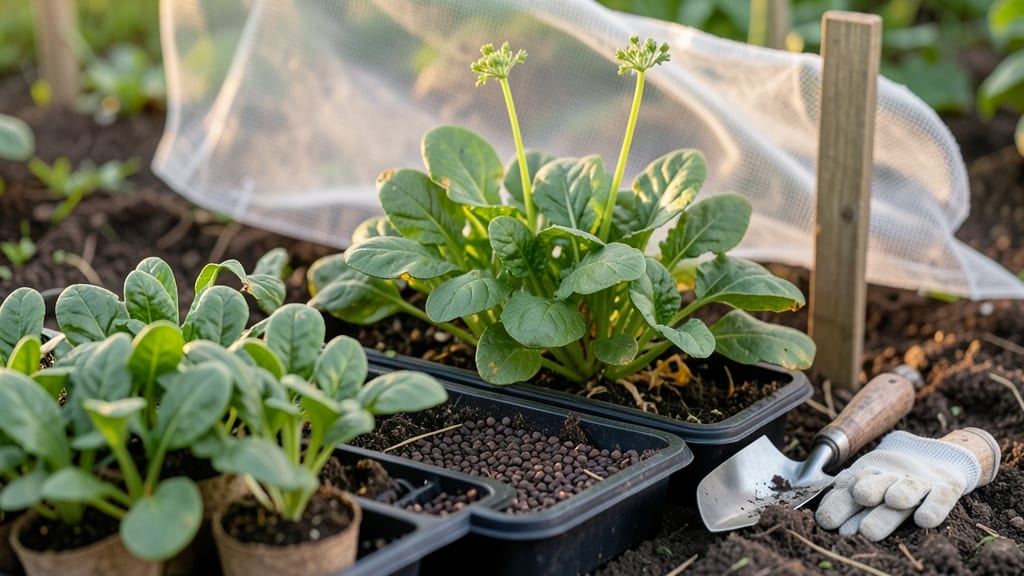
Knowing when to plant spinach in Zone 5 can mean the difference between a thriving garden and a sad, wilted disappointment. This leafy green 🥬 thrives in cool weather, but timing is everything—plant too early, and frost will strike; too late, and summer heat turns your greens bitter.
The key is understanding your local climate patterns and spinach’s cold-resistant nature to maximize your harvest.
For Zone 5 gardeners, the ideal planting windows are early spring (March-April) and late summer (August-September). These periods align perfectly with spinach’s love for cool temperatures, ensuring fast germination and tender growth.
Whether you’re a beginner or a seasoned gardener, mastering these dates will help you enjoy fresh, homegrown spinach for months.
But here’s the game-changer: succession planting. By sowing seeds every 3-4 weeks during these windows, you can stretch your harvest from May through November. This simple strategy keeps your garden productive and your table stocked with crisp, nutrient-packed greens—no matter what the season brings.
Ready to grow spinach that’s fast and foolproof? I’ll walk you through the exact steps to time your planting, prep your soil, and protect your plants from unexpected frosts. Let’s get started!
Optimal planting windows for spinach in Zone 5
Spinach thrives in Zone 5’s cool climate, but timing is critical to avoid frost damage or heat-induced bolting. The best windows are early spring (March-April) and late summer (August-September). These periods balance soil warmth and air temperatures, ensuring fast germination and cold-resistant growth.
For spring plantings, aim to sow seeds 4-6 weeks before your last frost date (typically mid-May in Zone 5). This gives seedlings time to establish roots before temperatures rise. In fall, plant 1-2 weeks before your first frost (mid-October) to harvest before winter sets in.
Not all spinach varieties perform equally. Bloomsdale Long Standing and Giant Winter handle cold better than Baby’s Leaf Hybrid, which bolts faster in heat. Choose varieties based on your planting window to maximize success.
Soil temperature is just as important as air temperature. Spinach seeds germinate best in soil temps between 40°F and 85°F, but ideal germination occurs at 50°F-70°F. Use a soil thermometer to check before planting.
Here’s how germination success varies by month in Zone 5:
| Planting Month | Germination Rate | Best Varieties | Key Consideration |
|---|---|---|---|
| February | Slow (30-40%) | Giant Winter, Tyee | Cold soil delays germination; use row covers |
| March | High (80-90%) | Bloomsdale, Space Hybrid | Ideal soil temps; protect from late frosts |
| April | Very High (90-95%) | Baby’s Leaf, Tyee | Fastest growth; watch for bolting |
| August | Moderate (60-70%) | Bloomsdale, Giant Winter | Use shade cloth to prevent bolting |
| September | High (85-90%) | Tyee, Space Hybrid | Cooler nights extend harvest window |
Spring plantings in March-April yield the most consistent results, with 90% germination rates when soil temps are ideal. For a fall harvest, August-September is your best bet, but use shade cloth to protect seedlings from afternoon heat.
Overwintering spinach is possible in Zone 5 with row covers or cold frames. Plant late summer (August) and use protective covers to shield seedlings from light frosts. This extends your harvest into early spring.
Always check your local frost dates—they can vary by 1-2 weeks even within Zone 5. Use the USDA Plant Hardiness Zone Map or your local cooperative extension service for precise timing.
Pro tip: Direct sow seeds rather than transplanting. Spinach has a delicate root system that struggles with disturbance, and seedlings from seed are hardier and more cold-resistant.
With the right timing, you can enjoy fresh spinach for 4-5 months in Zone 5—from late spring to early winter. Start with these windows, and adjust based on your microclimate for even better results. 🥬
Optimal planting windows for spinach in Zone 5
Spinach thrives in Zone 5’s cool springs and fall shoulders, but timing is critical. Plant too early, and frost will nip seedlings; too late, and summer heat triggers bolting.
The best windows are early spring (March-April) and late summer (August-September), aligning with soil temperatures between 40°F and 75°F.
For spring planting, aim for 4-6 weeks before your last frost date (typically mid-May in Zone 5). This gives seedlings time to establish roots before warm weather arrives. Fall planting should start 8-10 weeks before the first frost (around mid-October), ensuring a harvest before winter sets in.
🌱 Spinach Planting Windows in Zone 5
| Season | Planting Month | Soil Temp | Germination Rate | Notes |
|---|---|---|---|---|
| Spring | March-April | 40°F-60°F | 90%+ | Use cold-hardy varieties like Bloomsdale. |
| Fall | August-September | 50°F-70°F | 85% | Sow seeds 1-2 weeks before first frost. |
| Overwinter | October (with protection) | 40°F-50°F | 70% | Use row covers for frost protection. |
Choose cold-resistant varieties like Bloomsdale Long Standing or Giant Winter for spring, as they tolerate light frosts and slow bolting. For fall, opt for bolt-resistant types such as Tyee or Space, which mature quickly in cooler weather.
Soil temperature is just as critical as air temperature. Use a soil thermometer to confirm readings—spinach seeds need 40°F+ to germinate reliably. If your soil is below 40°F, wait 1-2 weeks or use a cold frame to warm the soil faster.
Pro tip: Direct-sow seeds rather than transplanting seedlings, as spinach has a delicate root system that struggles with disturbance. Space seeds 1 inch apart in rows 12 inches apart for optimal airflow and sunlight penetration.
With these precise planting windows, you’ll avoid the common pitfalls of frost damage or heat stress, ensuring a bountiful harvest of tender greens all season long. 🥬