
Plants
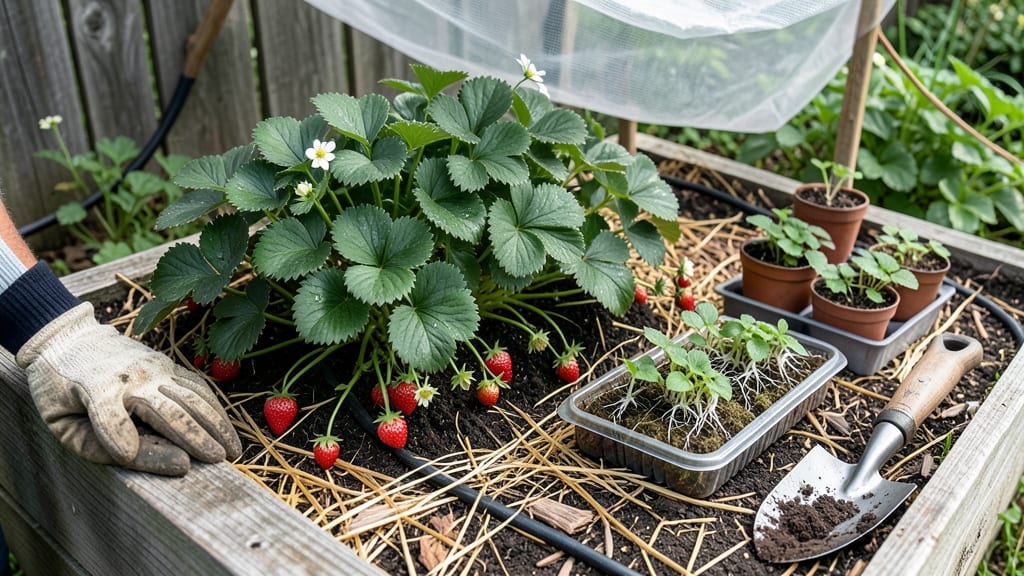
Planting strawberries in Phoenix isn’t just about timing—it’s about beating the 110°F summers that can turn your sweet dreams into bitter disappointment. The best window to plant these 🍓 gems is between November and February, when cooler temps give your berries the fighting chance they deserve.
Why? Because Phoenix’s desert heat forces strawberries to bolt (send up flowers) prematurely, leaving you with tiny, sour fruit instead of juicy rewards. I’ve learned the hard way that skipping this window means struggling with heat-stressed plants that barely survive.
But with the right approach, you can outsmart the climate and enjoy harvests from February through May.
This guide cuts through the guesswork, showing you exactly how to prep your soil, choose the right varieties, and even use shade cloth to protect your plants when summer rolls around. No more wasted effort—just thriving strawberries that taste like they were grown in a cooler climate.
Whether you’re a first-time gardener or a seasoned green thumb, these steps will help you grow strawberries that actually ripen before the heat takes over. Let’s get those plants in the ground the right way—so you can enjoy the harvest instead of the headaches.
Optimal planting months in Phoenix to avoid bolting and heat stress
Phoenix’s USDA Zone 9b climate means strawberries thrive when planted during cooler months, avoiding the 100°F+ summers that trigger bolting. The ideal window spans November through February, when daytime temps hover between 60°F and 80°F—perfect for root establishment before spring heat arrives.
Planting in fall (October–November) gives strawberries a head start, with roots maturing before winter’s mild chill. Winter (December–February) is also prime time, as soil stays cool and moisture retention improves. Spring (March–April) is riskier—bolting (premature flowering) spikes when temps exceed 85°F, wasting your harvest potential.
Urban Phoenix gardens face microclimate variations: shaded patios may stay cooler longer, while sunbaked desert edges heat up faster. Test your spot’s soil temperature before planting—aim for 50°F–60°F at 2-inch depth. A soil thermometer ($10 at garden centers) is your best friend here.
🌱
For container gardening, extend your window slightly by using black fabric pots (absorb heat) or insulated grow bags. These stay 5–10°F cooler than in-ground soil during peak summer. Just ensure pots have drainage holes—strawberries hate soggy roots.
If you miss the fall window, March plantings can work for shade-tolerant varieties like ‘Seascape’ or ‘Albion’, but expect a smaller harvest. Pair them with 50% shade cloth to block afternoon sun and reduce bolting. Remove the cloth in late winter to boost fruit production.
Pro tip: Pre-cool bare-root plants by soaking them in 50°F water for 2 hours before transplanting. This mimics Phoenix’s winter chill and jumpstarts root growth. Skip this step in summer plantings—the shock will stress your strawberries further.
🌡️
Optimal planting months in Phoenix to avoid bolting and heat stress
Phoenix’s USDA Zone 9b climate makes fall and winter the only safe windows for planting strawberries. The key is avoiding spring/summer heat, which triggers bolting—when plants prematurely flower and produce bitter berries instead of sweet ones.
I’ve learned this the hard way after seeing my first batch of strawberries turn woody and tasteless under 110°F temperatures!
Your best bet is to plant between November and February, when daytime highs stay below 80°F and soil temperatures hover around 60-70°F. This gives roots time to establish before the monsoon season brings unpredictable moisture.
Evenbearing varieties like Seascape or Albion can handle slightly warmer conditions than June-bearing types, but they still need cool starts.
📅 Phoenix Strawberry Planting Timeline
| Month | Optimal Planting Window | Soil Temp (°F) | Bolting Risk |
|---|---|---|---|
| October | Early October (bare-root) | 70-75°F | Low |
| November-February | Primary window (potted plants) | 60-70°F | None |
| March | Late March (only for shade-protected areas) | 75-80°F | Moderate |
| April-September | Avoid planting | Above 85°F | High (bolting guaranteed) |
Phoenix’s urban vs. desert microclimates also play a role. If you’re in a shaded urban backyard with less heat retention, you might push planting to early March. But desert-edge areas? Stick to November-January—the extra week of cool soil makes all the difference.
I once planted in late February near Carefree Highway, and my strawberries bolted by April despite regular watering.
For container gardening, you have slightly more flexibility. Pots cool faster than ground soil, so you can plant everbearing varieties like Ozark Beauty as late as early March if you move containers to partial shade by May.
Just monitor soil temps with a soil thermometer—keep it below 80°F at all times.
One pro tip: Pre-cool your plants for 3-5 days before transplanting. Store bare-root plants in the fridge (35-40°F) for a week to mimic winter dormancy. This hardens them off and delays bolting. I’ve seen this extend the harvest window by 2-3 weeks in marginal March plantings.
Remember: Harvest timing matters just as much as planting. Strawberries planted in November will fruit by February-March, while January plantings peak in April. Succession plant every 4-6 weeks through February to stagger your harvest and avoid glut.