
Companion Plants
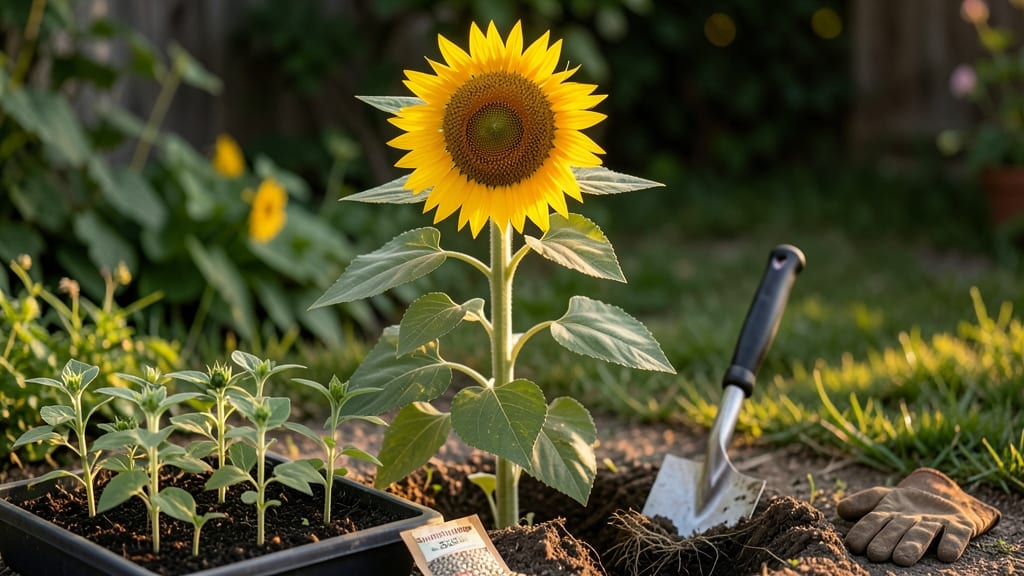
Timing your sunflower seeds just right in Pennsylvania can mean the difference between a towering display of golden blooms and a sad, stunted plant. With 5a-7b zones across the state, getting the window wrong could leave you waiting months—or worse, watching your seeds rot in cold soil.
Most gardeners in PA swear by planting between mid-April and mid-June, but the real secret lies in waiting for that last frost to pass (usually around April 15).
Soil temperature plays a bigger role than you might think—sunflowers need the ground to warm up to at least 60°F before they’ll even sprout.
I’ve learned the hard way that rushing the process leads to slow germination, while waiting too long can shorten your growing season. The good news? With the right timing, you’ll have fast-growing sunflowers reaching for the sky in no time—just in time for summer’s buzzing pollinators.
Whether you’re a first-time gardener or a seasoned pro, I’ll break down exactly when to plant in your specific zone, plus pro tips to maximize those 3-15-foot giants. Let’s get those seeds in the ground the right way!
Pennsylvania sunflower planting deadlines by hardiness Zone (5a-7a)
Pennsylvania’s diverse climate—spanning USDA Zones 5a to 7a—means your sunflower planting timeline depends heavily on where you live. In Zone 5a (northern PA), last frosts average April 15, while Zone 7a (southern PA) sees them as early as March 20.
Planting too soon risks frost damage, but waiting too long can shorten your bloom season. Here’s your zone-by-zone guide to avoid those mistakes.
For maximum height and bloom time, aim to plant sunflower seeds 2–4 weeks after your area’s last frost date. This gives seedlings time to establish roots before summer heat arrives.
In northern PA (Zones 5a-6a), this typically means mid-April to early May, while southern PA (Zone 7a) gardeners can start as early as late March if soil temperatures hit 60°F+.
Don’t panic if you miss the spring window! Sunflowers are heat-tolerant annuals, so you can also plant late June to early July for a shorter but still stunning fall harvest. Just choose faster-maturing varieties (like ‘Teddy Bear’ or ‘Moulin Rouge’) to ensure blooms before frost.
Here’s the critical deadline: In all zones, stop planting by mid-June. After that, sunflowers won’t have enough time to mature before Pennsylvania’s first frost (mid-October in most areas). Late plantings may still produce seeds, but they’ll be smaller and less vigorous.
If you’re in Zone 5a or 6a, early plantings (like late April) give sunflowers 160+ frost-free days to grow, ideal for giant varieties like ‘Russian Giant’ (12–15 ft tall).
But watch for squirrel theft—they love fresh sunflower shoots! A wire cage over seedlings can save your crop until they’re established.
For southern PA gardeners (Zone 7a), you’ve got flexibility. Plant ‘Autumn Beauty’ in March for early summer blooms, or try a successive planting in June for fall color. Just remember: sunflowers need full sun (6+ hours daily), so avoid shady spots even in cooler zones.
One common mistake? Planting seeds too deep. Sunflowers need 1-inch depth max—burying them deeper delays germination. Use your finger to mark the seed depth in moist soil, then cover lightly. Water gently to avoid washing seeds away.
For container gardening in PA, start seeds indoors 2–3 weeks earlier than outdoor deadlines. Use biodegradable pots to avoid root disturbance when transplanting. Place containers in a sunny spot (like a patio) once seedlings have 2–3 true leaves.
Finally, track your local frost dates—they vary yearly! Check the Penn State Extension or Old Farmer’s Almanac for updates. Adjust your planting by 1–2 weeks if frost dates shift. With the right timing, your sunflowers will reach their full potential—and attract pollinators all season long! 🌻
5 Critical factors that determine sunflower germination success in PA
Timing your sunflower seeds right in Pennsylvania isn’t just about the calendar—it’s about creating the perfect conditions for those seeds to sprout quickly and grow strong.
Sunflowers are warm-season lovers, and they won’t germinate well in cold soil. Here’s what you need to know to set them up for success.
First, soil temperature is the #1 factor. Sunflower seeds need soil that’s at least 60°F (15°C) to germinate.
In PA, this usually happens around mid-April to early May, but it can vary by microclimate—warmer southern regions may hit this earlier, while northern zones might need to wait until late April or early May.
Next, moisture consistency is key. Seeds need steady moisture to germinate, but they’ll rot if the soil is waterlogged. Keep the soil evenly moist (not soggy) until the seeds sprout, which typically takes 7-14 days. A light mulch after planting helps retain moisture without suffocating the seeds.
Sunlight exposure is another non-negotiable. Sunflowers crave full sun (6-8+ hours daily), and they won’t thrive in shady spots. If you’re planting in containers or urban gardens, place them in the sunniest location possible—even a few hours of shade can stunt their growth.
Avoid these common mistakes that kill sunflower seeds before they sprout: planting too early in cold soil, overwatering (which causes rot), or burying seeds too deep (they need light to germinate). Stick to 1 inch deep and 6 inches apart for direct sowing.
Finally, soil quality matters. Sunflowers prefer well-draining, slightly acidic to neutral soil (pH 6.0-7.5). If your soil is heavy clay or sandy, amend it with compost before planting. A quick soil test can save you from poor germination if your pH is off.