
Plants
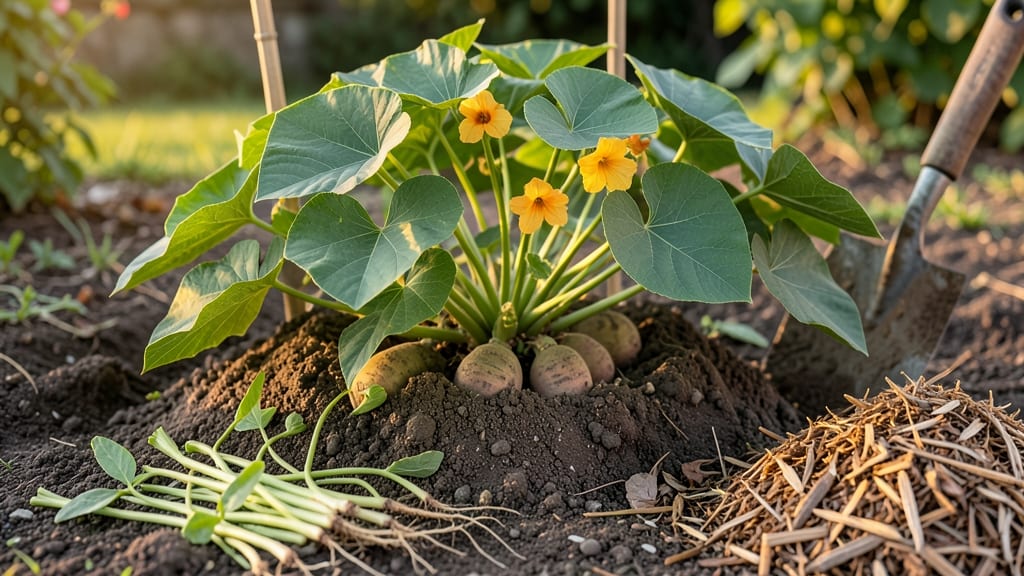
Timing when to plant sweet potatoes in Kentucky isn’t just about checking the calendar—it’s about catching that perfect window when soil temperatures hit 65°F+ and frost risk fades away completely. Get it wrong, and you might end up with stunted plants or worse, a crop lost to late-season chills.
But nail it? You’re looking at a harvest of sweet, starchy tubers that’ll make your dinner table the envy of the neighborhood.
Here’s the catch: Kentucky’s 6a-7b zones create microclimates that can shift your ideal planting window by 2-3 weeks depending on whether you’re in the Bluegrass region or closer to the Pennyrile plains. Northern Kentucky gardeners might wait until early June, while southern areas could start as early as late May.
The key? Understanding your local frost dates and soil warmth trends—not just blindly following a one-size-fits-all schedule.
I’ve seen gardeners rush to plant too early, only to watch their slips wilt when nighttime temps dip. Others wait too long, missing the 90-110 day growing window before the first frost. The solution?
Test your soil temperature with a simple thermometer (yes, they’re cheap!) and time your planting after the last frost—typically around May 15th in most of the state. Trust me, this small step can mean the difference between a handful of small tubers and a bushel of harvest-ready sweet potatoes.
In this guide, I’ll break down exactly how to read your local microclimate, adjust your planting timeline, and avoid the 3 biggest mistakes Kentucky gardeners make. Whether you’re a first-timer or a seasoned grower, these tips will help you grow bigger, sweeter Sweet Potato 🍠 harvests—without the guesswork.
Optimal Kentucky sweet potato planting dates by soil temperature (not just calendar months)
Kentucky’s USDA Zones 6a-7b offer perfect conditions for sweet potatoes—but timing matters more than you think. While most gardeners focus on calendar months, the real secret is soil temperature.
Sweet potatoes need soil that’s warmed to at least 65°F (18°C) to thrive. Planting too early in cool soil leads to stunted growth or even rot.
In Kentucky, this typically means waiting until mid-May to early June in most regions. However, microclimates—like urban heat islands or river valleys—can shift this window by 1-3 weeks. For example, Louisville’s urban areas may be ready by late April, while Appalachian foothills might need to wait until June.
Here’s the golden rule: Test your soil temperature with a soil thermometer before planting. Stick it 4 inches deep (where roots form) and wait until it consistently reads 65°F or warmer. This simple step can double your harvest success.
| Region | Ideal Planting Window | Soil Temp Requirement | Notes |
|---|---|---|---|
| Northern KY (e.g., Lexington, Covington) | Late May - Early June | 65°F+ (18°C+) | Cooler nights; extend season with black plastic mulch. |
| Central KY (e.g., Louisville, Bowling Green) | Mid-May - Late May | 65°F+ (18°C+) | Urban heat islands warm soil faster; monitor closely. |
| Southern KY (e.g., Paducah, Henderson) | Early May - Mid-May | 60°F+ (15°C+) | Warmer microclimates; can plant earlier with row covers. |
| Appalachian Foothills (e.g., Morehead, Pikeville) | Early June - Mid-June | 65°F+ (18°C+) | Higher elevation delays warming; use black plastic mulch. |
If you’re eager to extend your growing season, consider using black plastic mulch or row covers to warm the soil faster. These methods can shave 1-2 weeks off your planting timeline, especially in northern Kentucky where soils stay cooler longer.
Another pro tip: Plant slips (young plants) instead of seeds. Slips are hardier and mature faster, giving you a head start. Order slips from reputable suppliers or root your own from store-bought sweet potatoes in water or moist peat moss 2-3 weeks before your target planting date.
For late-season varieties like ‘Beauregard’ or ‘Georgia Jet,’ you can push planting into early July for a fall harvest. Just be prepared for smaller tubers since the growing season shortens.
Always check the days to maturity on your seed packet and count backward from your first frost date (typically November 15 in Kentucky).
Remember, soil temperature > calendar dates. A soil thermometer is your best friend—it removes the guesswork and ensures your sweet potatoes get off to the right start. Once planted, focus on consistent moisture and full sun to maximize your yield.
🍠
Kentucky microclimates that change sweet potato planting success (and how to adapt)
Kentucky’s diverse geography—from the Bluegrass Region’s rolling hills to the Appalachian Mountains’ cooler valleys—creates microclimates that can shift your sweet potato planting window by 2-3 weeks.
What works in Louisville’s urban heat island might fail in Eastern Kentucky’s frost pockets. Understanding these variations helps you adapt planting dates for bigger yields.
For example, Northern Kentucky’s USDA Zone 6a (e.g., Covington) often sees frost until mid-April, while Southwest Kentucky’s Zone 7b (e.g., Paducah) may be frost-free by early March. Even within cities, concrete jungles stay warmer than rural farmland, creating localized planting zones.
🌱 Visual Guide: Risk Levels by Microclimate 🌱
If you’re in a cooler microclimate, like the Cumberland Plateau, opt for early-maturing varieties (e.g., ‘Beauregard’) and use black plastic mulch to warm soil faster. In warmer zones, like Western Kentucky’s Purchase Region, you can even try July plantings for a fall harvest—just ensure 100+ days remain before frost.
Pro tip: Check your local Cooperative Extension Service for hyper-local frost data. For example, Lexington’s average last frost is April 10, while Harlan’s is May 1. A 5-degree difference in soil temperature can delay or accelerate growth by weeks.
For gardeners in transition zones (e.g., Bowling Green), split your planting: Start half your slips in May and the other half in early June. This staggered approach spreads harvest times and reduces risk from unexpected early fall frosts.
🌿 Key Takeaway: Your microclimate dictates more than just dates—it shapes soil warmth, pest pressure, and even tuber sweetness. Use these adjustments to match your local conditions, and you’ll enjoy larger, sweeter sweet potatoes every season. ☀️