
Plants
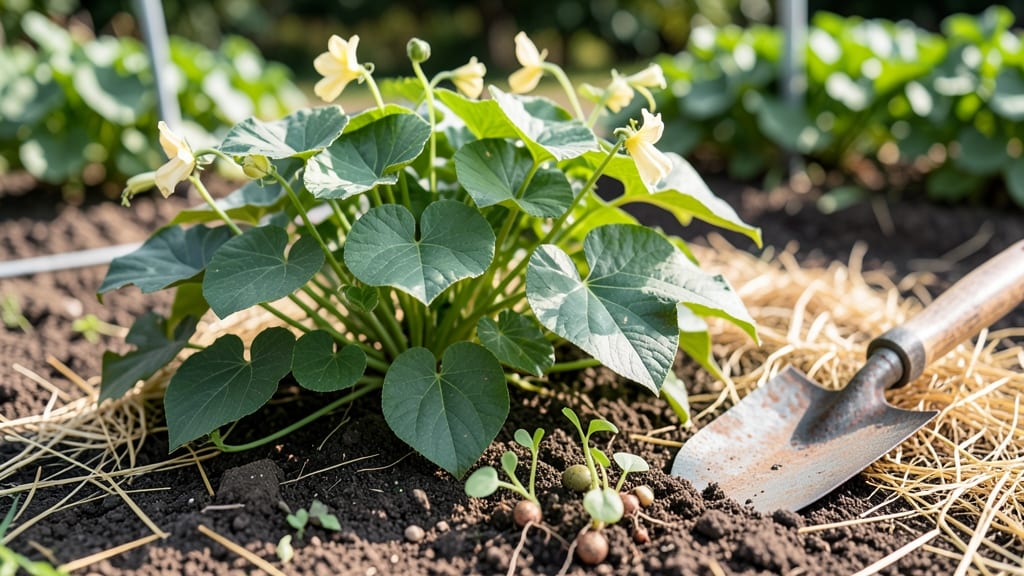
Knowing when to plant sweet potatoes in Zone 8 can mean the difference between a bumper harvest and wasted effort. These heat-loving tubers 🍠 need warm soil and consistent temperatures to thrive, so timing your planting right is absolutely critical.
If you've ever struggled with sweet potatoes that never quite reached their full potential, you're not alone. The key lies in understanding your local climate—Zone 8's long summers give you a great window, but planting too early risks frost damage while waiting too long can shorten your growing season.
In this guide, I'll walk you through the exact planting window for Zone 8, including how to prepare your soil and choose the right varieties. You'll discover why June is the sweet spot for most gardeners in this region and how to extend your harvest into fall.
Whether you're a first-time grower or a seasoned gardener looking to refine your technique, these insights will help you grow sweeter, more abundant sweet potatoes than ever before. Let's get started!
Optimal planting dates for sweet potatoes in Zone 8: exact timing by variety
Zone 8 gardeners have a golden window for planting sweet potatoes—typically between mid-April and early June. This timing ensures your slips (young plants) avoid late spring frosts while benefiting from warm soil temperatures (at least 60°F/15°C) that encourage tuber development.
The key? Soil temperature, not air temperature—cold soil delays growth and increases disease risk.
Sweet potatoes are heat-loving plants, so planting too early in Zone 8 can lead to stunted growth or even death. Conversely, waiting until July risks harvest delays before the first frost in mid-November.
The sweet spot? Late May to early June for most varieties, when daytime highs consistently exceed 75°F/24°C.
Here’s the critical rule: Wait until the soil temperature at 4 inches deep reaches 65°F/18°C for 3 consecutive days. Use a soil thermometer to check—this is your green light to plant.
In Zone 8, this usually aligns with late May, but it can shift 1-2 weeks earlier in southern Zone 8 (e.g., Orlando) or 1-2 weeks later in northern Zone 8 (e.g., Dallas).
Not all sweet potato varieties thrive equally in Zone 8’s intense summer heat. Beauregard and Jewel are top picks—they mature in 90-100 days and handle 90°F+ temperatures without stress. Centennial is another great choice, with disease resistance and a shorter growing season (85-90 days).
Avoid longer-season varieties like Georgia Jet, which may not fully mature before frost.
For a second harvest, try staggered planting: Start with early slips in late May and follow with additional slips in early June. This extends your harvest window from October to November.
Just be sure to harvest before the first frost, as even a light frost can damage tubers still in the ground.
🌱 Comparison Table: Sweet Potato Varieties for Zone 8
| Variety | Days to Maturity | Heat Tolerance | Best Planting Window | Harvest Window |
|---|---|---|---|---|
| Beauregard | 90-100 | Excellent (90°F+) | Late May - Early June | October - November |
| Jewel | 90-100 | Very High | Late May - Early June | October - November |
| Centennial | 85-90 | High (disease-resistant) | Late May - Mid-June | September - October |
| Georgia Jet | 100-110 | Moderate (risk in late planting) | Early May (high risk) | Late October (if no frost) |
⚠️ Pro Tip: Use black plastic mulch to warm soil faster and extend your planting window by 1-2 weeks.
If you’re in northern Zone 8 (e.g., St. Louis), aim for early June planting to avoid late spring rains that can rot slips.
In southern Zone 8 (e.g., Tampa), you can plant as early as mid-April if you use row covers to protect young plants from unpredictable cold snaps.
Watch for soil-borne diseases like black rot if you plant too early. Cool, wet soil creates the perfect conditions for pathogens. To prevent this, amend your soil with compost (aim for 3-4 inches mixed into the top 12 inches) and avoid working the soil when it’s saturated.
Raised beds can also help by draining excess water and warming up faster.
For container growing, plant slips in 5-gallon pots filled with well-draining potting mix. Use black pots to absorb heat and plant in full sun.
Containers warm up faster than garden soil, so you can plant 2-3 weeks earlier than in-ground. Just ensure pots have drainage holes to prevent waterlogging.
Remember: Sweet potatoes need heat to grow. If your Zone 8 summer feels unusually cool (e.g., below 80°F/27°C for extended periods), consider using a low tunnel or cloches to create a microclimate. This isn’t
Optimal planting dates for sweet potatoes in Zone 8: exact timing by variety
Zone 8’s warm climate means sweet potatoes can thrive here—but timing is critical. Planting too early risks frost damage or stunted growth, while late planting may not yield mature tubers before fall frosts.
Aim for after your last frost date (typically mid-March in Zone 8) and when soil reaches 60°F (15°C).
Most Zone 8 gardeners plant sweet potato slips (young plants) between mid-April and early June. This window ensures tubers develop fully before first frost (usually mid-November). Heat-loving varieties like Beauregard and Jewel perform best when planted in late May to early June.
🌱 Sweet Potato Planting Timeline for Zone 8
| Variety | Ideal Planting Window | Soil Temp Requirement | Harvest Window |
|---|---|---|---|
| Beauregard | Late May - Early June | 60°F+ (15°C+) | October - November |
| Jewel | Mid-April - May | 55°F+ (13°C+) | September - October |
| Centennial | Early June | 65°F+ (18°C+) | October - November |
Avoid planting before mid-April unless you use row covers to protect from unexpected frosts. Early planting can also lead to wireworm damage, as cooler soils attract these pests. For a second harvest, try staggered planting in late June—just ensure tubers mature before fall frosts.
If you miss the spring window, late summer planting (August) can still work in Zone 8’s mild winters. Use black plastic mulch to retain heat and extend the growing season. Just be prepared for smaller yields compared to spring plantings.
Pro tip: Check your local USDA Plant Hardiness Zone map for precise frost dates. In Zone 8a, plant 1-2 weeks later than in Zone 8b to account for cooler microclimates. Always monitor soil temperature with a thermometer for foolproof timing.
Planting at the right time ensures bigger, sweeter tubers and avoids common pitfalls like blossom-end rot or fungal diseases from overwatering in Zone 8’s humidity. With the right variety and timing, you’ll enjoy a bountiful harvest every fall! 🍠