
Plants
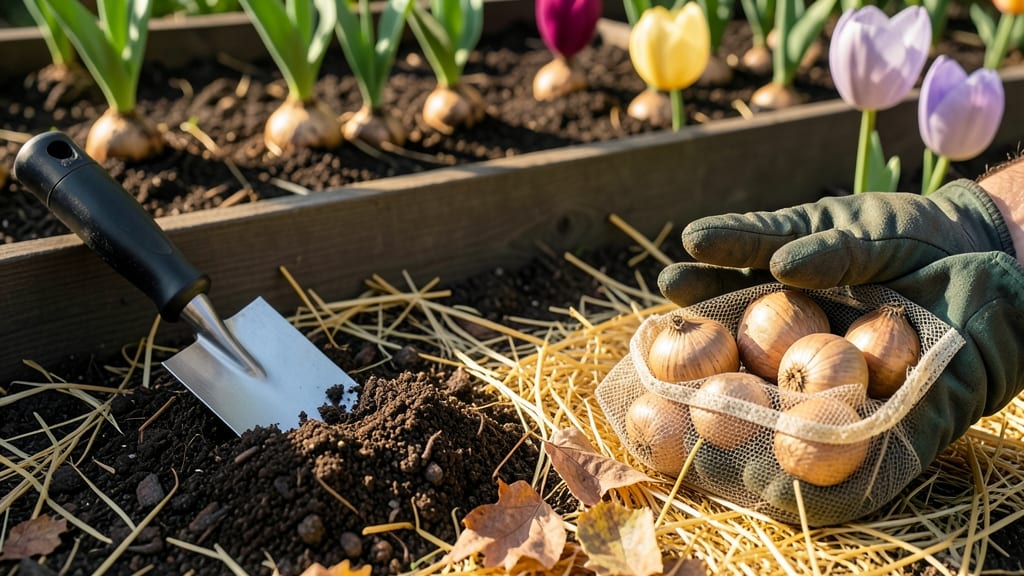
Planting tulip bulbs in North Carolina at the wrong time can mean the difference between perfect spring blooms and wasted effort. The key isn’t just picking a fall month—it’s understanding when your soil reaches that sweet spot of 40-50°F, which varies dramatically from the Coastal Plain to the Mountains.
If you’ve ever wondered why some gardeners get vibrant 🌷 displays while others struggle, the answer lies in timing. North Carolina’s diverse climate zones mean your neighbors in Raleigh might plant in early November, while those in Asheville wait until December.
Getting this right ensures your bulbs root before winter sets in.
I’ll break down exactly when to plant based on your specific zone, plus how to check soil temperature and avoid common mistakes. By the end, you’ll know the 6-week window that guarantees success—no guesswork, just beautiful results next spring.
Ready to transform your garden? Let’s dive into the science behind planting tulips when they’ll thrive, not just survive, in North Carolina’s unpredictable fall weather.
North Carolina’s ideal soil temperature for planting tulip bulbs
When planting tulip bulbs in North Carolina, soil temperature is the single most critical factor. Aim for a consistent range of 40-50°F—this triggers root growth without risking rot in warmer soils or dormancy in colder ones.
In USDA zones 6b-8a, this typically aligns with late October through November, but exact timing varies by region.
Why does temperature matter? Tulip bulbs need 6-8 weeks to establish roots before winter dormancy. If planted too early in warm soil (above 50°F), they’ll sprout prematurely and rot.
Too late, and frost locks them out of root growth entirely. The 40-50°F window is your sweet spot for bulb health and spring blooms.
Here’s how to test your soil: Use a soil thermometer (or a regular thermometer in a shaded can) at 6-inch depth. Check temperatures daily for 3-5 days to confirm consistency.
In Coastal NC (Zone 8a), this might mean planting in mid-October, while Mountain regions (Zone 6b) could wait until early November.
Pro tip: If your soil runs warmer than 50°F in fall, plant in shaded beds or use black plastic mulch to cool the ground. Conversely, if temps drop below 40°F too soon, delay planting until conditions stabilize.
🌱 North Carolina Tulip Planting Soil Guide
| Region | USDA Zone | Ideal Soil Temp | Planting Window | Key Tip |
|---|---|---|---|---|
| Coastal Plain | 8a | 45-50°F | Mid-October | Soil stays warm longer—plant early |
| Piedmont | 7a-7b | 40-48°F | Late Oct-Nov 1 | Monitor frost dates—aim for 6 weeks before first freeze |
| Mountains | 6b | 40-45°F | Early Nov | Soil cools faster—wait for stable temps |
Don’t let mild fall weather fool you—soil temperature lags behind air temperature. A 70°F day can hide 55°F soil, which is still too warm. For accuracy, check temps afternoon and evening when soil cools.
If your area had an early frost last year, shift planting 2 weeks earlier this season.
Another trick: Plant dwarf tulips (like ‘Tiny Star’) slightly earlier—they tolerate cooler soils better. For standard varieties, stick to the 40-50°F rule to avoid rot or weak stems. Mulch with straw or leaves after planting to insulate bulbs once temps drop below 40°F.
Remember, tulips need cold to bloom. If you plant too late, they won’t get enough chill hours (300-500 hours below 40°F), leading to poor or no blooms. Use a frost calendar for your county to pinpoint the 6-week window before average first frost.
For container gardening, soil cools faster. Plant 2-3 weeks earlier than in-ground beds and use black pots to absorb daytime heat. If your containers are in partial shade, you can extend the planting window by 10-14 days.
Final tip: If you’re unsure, plant a test bulb in early October. If it sprouts before November, your soil was too warm—wait until conditions stabilize. This simple test saves your entire tulip garden from failure.
North Carolina’s ideal soil temperature for planting tulip bulbs
Tulip bulbs thrive when planted in cool soil—between 40°F and 50°F. This temperature range signals the bulbs to root before winter dormancy sets in. In North Carolina, this typically happens in late October for most regions, but timing shifts slightly between Coastal, Piedmont, and Mountain zones.
Planting too early in warm soil can cause bulbs to sprout prematurely, while late planting risks frost damage.
Soil temperature is more critical than air temperature. Use a soil thermometer to check depth (6 inches down). If your soil reads below 40°F, wait 1-2 weeks. If it’s above 50°F, your bulbs may start growing too soon, weakening them before winter.
North Carolina’s USDA zones 6b-8a all align with this rule, but frost dates vary dramatically.
🌱 Tulip Planting Soil Conditions in North Carolina
| Region | Ideal Soil Temp | Planting Window | Key Risk |
|---|---|---|---|
| Coastal (Zone 8a) | 45-50°F | Late Oct - Mid-Nov | Warm soil delays dormancy |
| Piedmont (Zone 7a) | 40-45°F | Mid-Oct - Late Nov | Early frost risk |
| Mountains (Zone 6b) | 38-42°F | Early Oct - Early Nov | Short growing season |
North Carolina’s Coastal Plain (like Wilmington) stays warmer longer, so aim for late October planting. The Piedmont (Raleigh, Greensboro) cools faster—plant by mid-November to avoid frost. In the Mountains (Asheville, Boone), soil chills quickly; plant by early November or risk bulb damage.
Pro tip: Mulch after planting with 2-3 inches of straw to insulate bulbs and regulate soil temps through winter.
If you’re unsure about your soil temperature, use the "finger test": Stick your hand 6 inches deep. If it feels cool but not freezing, it’s likely in the ideal range. For precision, invest in a $10 soil thermometer—it’s the best way to avoid costly mistakes.
Remember, tulips need 6-8 weeks of cold dormancy to bloom well, so don’t rush planting just because your neighbors are!
One common mistake is planting based on air temperature alone. A crisp 50°F day might feel perfect, but soil can still be 60°F+ deep down. Always check below the surface. In wet years, like 2023, soil stays cooler longer—adjust your timeline accordingly by waiting 1-2 weeks.
For container gardeners, use black plastic pots to absorb heat and mimic outdoor soil temps. Place them in a shady spot until soil cools, then move to full sun. This trick helps extend your planting window by 10-14 days in warmer microclimates like urban Raleigh or Charlotte.