
Plants
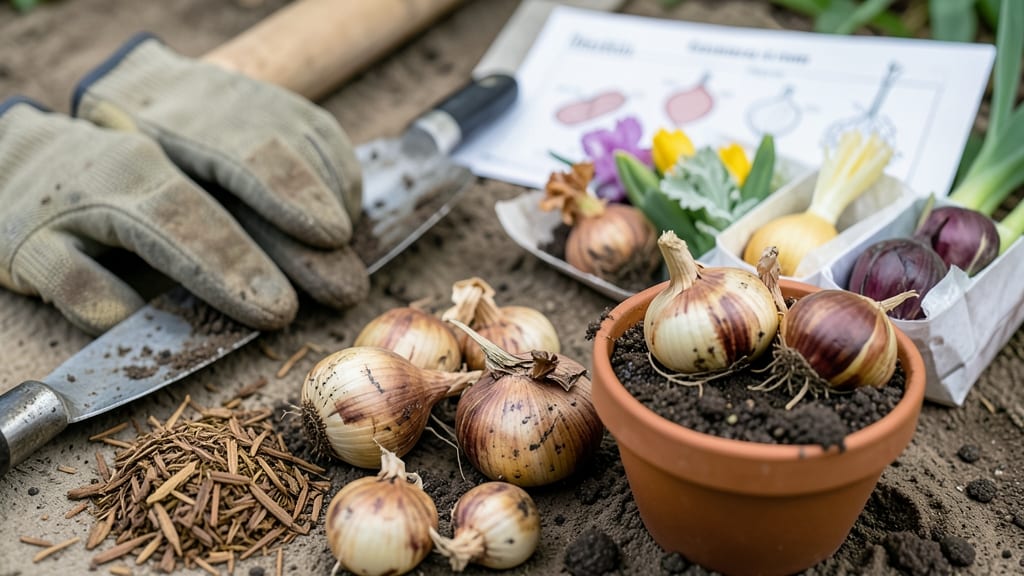
Connecticut tulip planting deadlines by hardiness Zone (with frost risk dates)
Connecticut’s USDA Zones 5-6 create a narrow window for planting tulip bulbs—too early, and they’ll rot in soggy soil; too late, and they won’t root before winter. The ideal planting window spans from mid-October to early November, but exact timing depends on your zone and local frost patterns.
Here’s how to align your planting with Connecticut’s unpredictable climate.
Most of Connecticut falls under Zone 6a, where the average first frost arrives around October 20, but northern areas (like Litchfield County) can see frost as early as October 10.
Southern regions (Fairfield County) often hold off until November 5. To guarantee blooms, plant bulbs 4-6 weeks before the ground freezes—typically by November 15 for most of the state.
Pro Tip: Use the soil thermometer trick—tulips need soil temps between 40°F and 50°F to root properly. If your soil is still above 50°F in November, wait a week or two. Conversely, if frost arrives early, plant sooner.
Here’s how Connecticut’s two main zones differ in planting deadlines:
🌷 Connecticut Tulip Planting Deadlines by Zone
| Zone | Ideal Planting Window | Last Safe Planting Date | First Frost Avg. | Risk Level |
|---|---|---|---|---|
| Zone 5 (Northern CT: Litchfield, Hartford) | Mid-October to November 1 | November 10 (earlier frost risk) | October 10-15 | ⚠️ High (early frost) |
| Zone 6a (Central/Southern CT: New Haven, Fairfield) | October 20 to November 15 | November 20 (more flexible) | October 20-25 | ✅ Moderate (standard window) |
| Zone 6b (Coastal CT: New London) | October 30 to December 1 | December 10 (mild winters) | October 25-November 1 | 🟢 Low (later frost) |
🌡️ Key: Use these dates as guidelines—check your local Almanac frost predictions for real-time adjustments.
If you’re in Zone 5 and miss the November 1 deadline, don’t panic—you can still plant until the ground freezes, but expect smaller blooms next spring. For Zone 6a/b, late plantings (after November 20) may not bloom at all.
The sweet spot is planting when soil temps hit 50°F—this ensures roots establish before winter.
Another critical factor is bulb size. Larger bulbs (12-16cm circumference) have more energy reserves and can handle slightly later plantings. Smaller bulbs (8-10cm) need perfect timing to avoid rotting.
For maximum blooms, aim to plant 6-8 weeks before the first hard frost—this gives roots time to grow 6-8 inches deep before winter.
Connecticut’s microclimates add another layer of complexity. Urban areas (like Hartford) often experience earlier frosts due to heat islands, while rural farms in Litchfield County may have 1-2 weeks longer to plant.
To hedge your bets, plant a mix of early and late-blooming tulips—this spreads risk if frost comes early or late.
For gardeners in Zone 6a/b, here’s a quick
How to time tulip planting for Connecticut’s unpredictable weather (pro tips)
Connecticut’s weather can be as unpredictable as a toddler’s mood—one day sunny, the next a surprise frost. To protect your tulip bulbs, you need a backup plan.
Planting too early risks rot from wet soil, while waiting too long means bulbs won’t root before winter. Here’s how to hedge your bets.
First, check your soil temperature—it should be below 60°F (15°C) for at least a week before planting. Use a soil thermometer or the "fist test": if you can’t push your fist into the ground easily, it’s time.
In Zone 6a, aim for early to mid-October, but if your soil stays warm, delay until late October.
Planting after Thanksgiving in CT is risky—bulbs may not root before frost. If you miss the window, hold bulbs in a cool (40°F/4°C), dark place (like a garage) until spring, then pot them indoors for a late bloom.
Use row covers or straw mulch (4–6 inches thick) to insulate bulbs if early frost threatens. In Zone 5 areas (like northern CT), add extra mulch or a thick layer of leaves after planting. This creates a buffer against temperature swings.
For late bloomers, like Darwin Hybrid tulips, plant them slightly earlier (early October) to ensure they push through snowmelt. Early varieties, such as Greigii or Kaufmanniana, can tolerate later planting (late October) because they bloom sooner.
If you’re still unsure, test your soil’s readiness with a simple frost depth probe: bury a stick in the ground and mark where frost reaches. Plant when the frost line is 6 inches deep—this gives bulbs time to root before winter sets in.
Remember, bulb size matters: larger bulbs (12–16cm) establish roots faster than smaller ones. Pair them with a slow-release fertilizer (like 5-10-10) at planting to give them a head start in spring.