
Vegetables
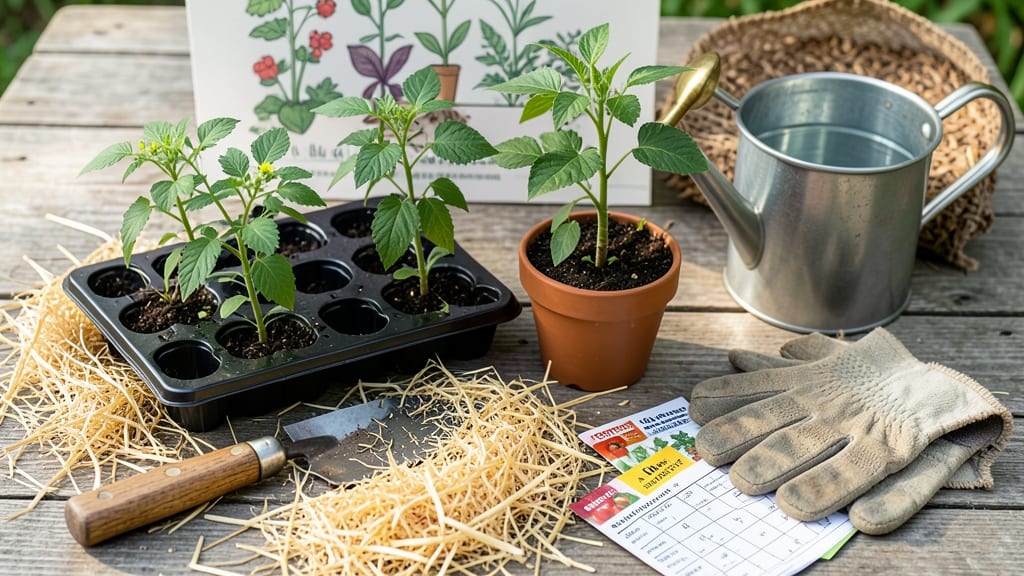
Timing your General Vegetables 🥬 planting in Arkansas isn’t just about checking a calendar—it’s about mastering the 7a-8b zone’s quirks, from the Delta’s sticky humidity to the Ozarks’ unpredictable spring shifts. Get it wrong, and your seedlings might bolt before they even sprout, or wilt under summer’s early heat.
But nail it, and you’ll enjoy a harvest that rivals the best farmers' markets.
I’ve spent years watching Arkansas gardens thrive (and flop) based on planting deadlines, and the key is understanding your microclimate. Whether you’re in Little Rock’s urban heat island or the cooler highlands near Eureka Springs, the “perfect” window for tomatoes or lettuce shifts dramatically.
Let’s break down exactly when to plant each crop—and how to adjust for Arkansas’ most common weather surprises.
You’ll discover the exact frost-free dates that separate success from disappointment, plus how to prep your soil for Arkansas’ clay-heavy earth. We’ll also tackle the most common mistakes that derail even experienced gardeners—like ignoring soil temperature or planting heat-lovers too late.
By the end, you’ll have a customizable schedule that works for your corner of the state.
Ready to grow a garden that’s as reliable as Arkansas barbecue in summer? Let’s get started with the step-by-step planting timeline that’s saved my (and countless other gardeners’) crops year after year.
Arkansas planting zones 7a: exact deadlines by vegetable type (with microclimate adjustments)
Arkansas’ USDA Zone 7a spans from the humid Delta to the cooler Ozarks, creating a 2-3 week difference in planting deadlines.
My garden in Little Rock (central Arkansas) follows the average last frost date of March 15, but if you’re in Jonesboro, push back to March 22.
Warm-season crops like tomatoes and peppers need soil temps above 60°F—wait for late April in the north, early April in the south.
Cool-season crops like spinach and peas thrive when planted 4-6 weeks before last frost. That means February 1-15 for most of Arkansas, but January 25-February 5 in the Delta’s warmer microclimates. Succession planting (every 2 weeks) extends harvests—critical for bush beans and lettuce in Arkansas’ short growing season.
🌱 PRO TIP: Use row covers to plant cool-season crops 2 weeks earlier in frost-prone areas like the Ozarks. For warm-season crops, black plastic mulch warms soil 5-10°F faster in cooler regions.
🌱 Arkansas Planting Timeline by Vegetable Type
| Vegetable Type | Planting Window (Zone 7a) | Soil Temp Requirement | Microclimate Adjustment | Succession Planting |
|---|---|---|---|---|
| Cool-Season Crops (Spinach, Peas, Lettuce) | Feb 1–Mar 15 | 40–50°F | Delta: Jan 25–Feb 15 | Every 2 weeks |
| Warm-Season Crops (Tomatoes, Peppers, Okra) | Apr 15–May 15 | 60°F+ | Ozarks: May 1–15 | None (long season) |
| Heat-Tolerant Crops (Sweet Potatoes, Southern Peas) | May 1–Jun 15 | 70°F+ | Delta: Apr 15–May 1 | N/A |
| Fall Crops (Kale, Carrots, Radishes) | Jul 15–Aug 15 | 50–60°F | Ozarks: Aug 1–15 | Every 3 weeks |
For warm-season crops, Arkansas’ humidity demands well-draining soil—amend clay soil with compost or sand.
My tomato plants in North Little Rock bolt when soil temps exceed 90°F, so I use shade cloth in peak summer. Peppers, however, thrive in the Delta’s heat—plant them 2 weeks earlier there than in the Ozarks.
In elevated areas (like the Boston Mountains), last frost can occur 2 weeks later than valleys.
Use local weather stations (like Arkansas State University’s AgriWeather) to track soil temps and adjust planting. Succession planting of bush beans every 2 weeks from May–July ensures a steady harvest before first frost in November.
🌿 KEY INSIGHT: Arkansas’ short growing season (only 210 frost-free days) means prioritize fast-maturing varieties. Choose ‘Early Girl’ tomatoes (55 days) over ‘Brandywine’ (80
How Arkansas microclimates shift planting times (and how to adapt)
Arkansas isn’t just one climate—it’s three distinct gardening worlds. The Delta’s warmer winters let you plant spinach and peas as early as February, while the Ozarks’ cooler nights may delay your tomato transplants until mid-April.
Even Central Arkansas, our Zone 7a baseline, has microclimates where a river valley stays frost-free weeks longer than a hilltop garden. Understanding these shifts means the difference between a bountiful harvest and wilted seedlings.
Let’s break down how to adjust your planting schedule for Arkansas’ three key regions. Whether you’re in humid Little Rock, cooler Fayetteville, or hotter Texarkana, these tweaks will keep your veggies on track. Start by checking your local last frost date—it’s your gardening GPS.
🌡️ Arkansas Microclimate Planting Adjustments
| Region | Last Frost Date | Warm-Season Start | Cool-Season End | Key Adjustment |
|---|---|---|---|---|
| Delta (e.g., Little Rock, Helena) | March 15–April 1 | April 10–15 | October 15–30 | Plant warm crops 1–2 weeks earlier; succession plant heat-lovers like okra. |
| Central (e.g., Fayetteville, Hot Springs) | March 20–April 5 | April 20–May 1 | October 1–15 | Follow standard Zone 7a guidelines; use row covers for early cool crops. |
| Ozarks (e.g., Eureka Springs, Berryville) | April 1–15 | May 1–10 | September 15–October 1 | Delay heat-lovers until soil warms; prioritize shade-tolerant greens. |
| Urban Heat Islands (e.g., North Little Rock) | March 1–15 (earlier) | March 25–April 5 | October 30–November 10 | Use mulch to cool soil; plant drought-tolerant varieties. |
For urban gardeners, heat islands can push your last frost date weeks earlier than rural areas. If you’re in North Little Rock, test soil temps—60°F is the magic number for tomatoes and peppers.
Use a soil thermometer to avoid planting too soon. In river valleys, like the White River basin, frost lingers later, so wait until mid-April for warm crops.
Don’t overlook elevated gardens in the Ozarks. Cooler nights mean bolting lettuce or bitter basil if you plant too early. Start heat-sensitive crops like cucumbers in late May instead of April.
For succession planting, Arkansas’ long growing season lets you squeeze in two rounds of beans or three harvests of bush peas—just time them right.
Pro tip: Use Arkansas Cooperative Extension’s frost maps (available online) to pinpoint your exact zone. Even a 5-mile elevation change can shift your planting window by 10 days. When in doubt, start seeds indoors 6 weeks before your target outdoor date—it’s your safety net for Arkansas’ unpredictable springs.
🌱