
Vegetables
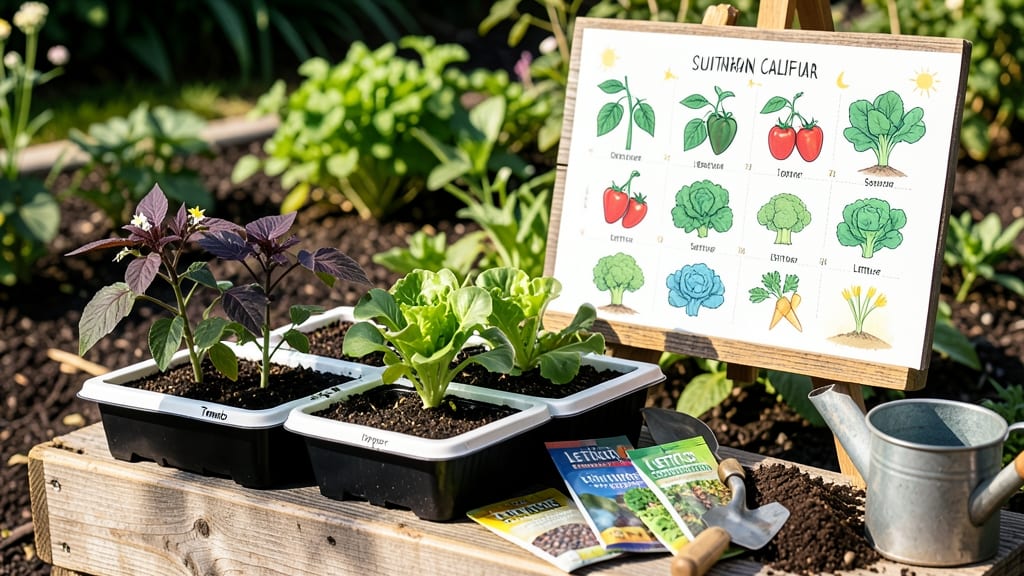
Southern California planting calendar by month: what to sow When for maximum yield
Southern California’s frost-free winters and intense summer heat create a unique growing window. Unlike northern climates, you can grow year-round vegetables with the right timing. The key is understanding which crops thrive in cool winter months (like lettuce and broccoli) versus heat-tolerant summer varieties (like okra and sweet potatoes).
Most of Southern California falls within USDA Zones 9b-10a, meaning frost is rare but possible in inland valleys during December-January. Coastal areas stay milder year-round. Below is your month-by-month planting guide to avoid bolting (premature flowering) in heat-sensitive crops or stunted growth from summer stress.
🌱 Pro Tip: Use succession planting every 2-3 weeks to extend harvests. For example, sow lettuce every 2 weeks from September to March for continuous harvests.
| Month | Cool-Season Crops (Plant) | Warm-Season Crops (Plant) | Harvest Time | SoCal Notes |
|---|---|---|---|---|
| January | Lettuce, Spinach, Kale, Broccoli, Carrots, Radishes | None (too cool) | Lettuce (45 days), Broccoli (90 days) | Use shade cloth if temps exceed 75°F |
| February | Peas, Cabbage, Cauliflower, Swiss Chard | Start tomatoes/peppers indoors | Peas (60 days), Cabbage (100 days) | Frost risk in inland areas |
| March | Green Onions, Beets, Radishes | Transplant tomatoes, peppers, eggplant | Onions (80 days), Beets (50 days) | Harden off seedlings before transplanting |
| April | None (heat stress) | Direct sow beans, cucumbers, squash | Cucumbers (50 days), Zucchini (45 days) | Use drip irrigation to prevent bolting |
| May | Malabar Spinach (heat-tolerant) | Plant okra, sweet potatoes, peanuts | Okra (60 days), Sweet Potatoes (120 days) | Mulch heavily to retain moisture |
| June-August | None (extreme heat) | Succession plant beans, cucumbers | Beans (50 days), Cucumbers (50 days) | Use shade cloth for greens if temps >90°F |
| September | Lettuce, Spinach, Broccoli | Plant tomatoes for fall harvest | Lettuce (45 days), Tomatoes (70 days) | Transplant early morning to reduce stress |
| October-November | Peas, Carrots, Cabbage, Kale | None (cooler temps) | Peas (60 days), Kale (60 days) | Protect from light frost with row covers |
| December | Green Onions, Radishes, Lettuce | None (winter dormancy) | Radishes (25 days), Onions (80 days) | Use cold frames for extended harvests |
Notice how January-March and September-November are prime times for cool-season crops, while April-October dominate the warm-season planting schedule. The summer months (June-August) require extra care—shade cloth, mulch, and drip irrigation are your best friends to prevent bolting or wilting.
For coastal areas (like San Diego), you can push
Top 10 heat-tolerant vegetables for Southern California gardens and their perfect planting times
Southern California’s 90°F+ summers can turn your garden into a sauna for heat-sensitive crops, but heat-tolerant varieties thrive when planted at the right time. I’ve grown these top 10 vegetables in my San Diego garden—here’s exactly when to plant them for bumper harvests.
These varieties are designed for SoCal’s climate, from okra that loves the heat to Malabar spinach that grows year-round. Skipping the right timing means wilting plants or bitter flavors, so follow these month-by-month windows for success.
- Okra
- Sweet Potatoes
- Malabar Spinach
- Black-Eyed Peas
- Eggplant
For cool-season crops like lettuce or broccoli, I recommend fall planting (August–September) to avoid summer bolting. But these heat-lovers are the stars of my SoCal garden—plant them at the right time, and you’ll enjoy harvests even in July’s 100°F heat.
Pro tip: Use shade cloth (30–50%) for heat-sensitive greens planted in late summer to extend their growing season. I’ve seen Swiss chard last until October with this trick!
Which of these will you try first? My okra and sweet potatoes always get the biggest harvests when planted in June–August—perfect for summer grilling!