
Plants
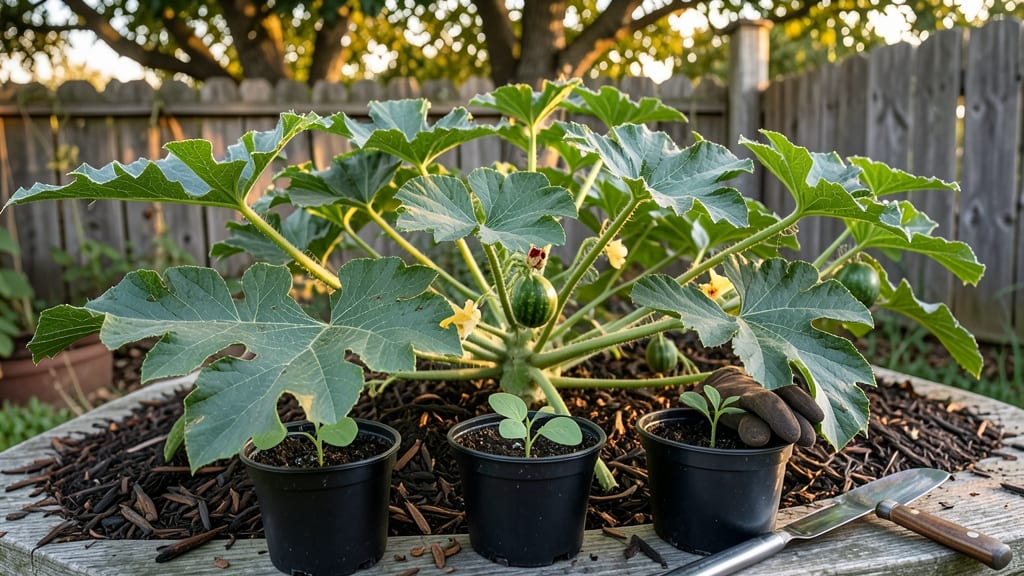
Timing your watermelon 🍉 planting in Utah isn’t just about checking a calendar—it’s about mastering the state’s tricky mix of high desert heat and mountain chill. Get the window wrong, and your vines might bolt before fruiting, or worse, freeze before they even sprout. But nail it, and you’ll be feasting on homegrown melons from July through September.
Utah’s diverse climate—from the 5b-7b zones of the Wasatch Front to the early-warming valleys of southern Utah—means your neighbors might be planting months apart.
Whether you’re in Salt Lake City or St. George, the key is knowing when soil temperatures hit that sweet spot of 70°F and when the last frost has truly passed.
I’ll break down the exact mid-April to early May planting window that works for most of Utah, plus how to adjust for microclimates where frost lingers longer or heat arrives earlier.
You’ll also discover how to prep your soil, choose the right varieties, and avoid common pitfalls that turn hopeful gardeners into watermelon wannabes.
Ready to turn your backyard into a sweet, juicy watermelon oasis? Let’s dive into the science—and the shortcuts—that make all the difference in Utah’s unpredictable growing season.
Utah’s ideal planting zones for watermelon: when to start seeds indoors vs. outdoors
Utah’s USDA zones 5b-7b create dramatic differences in when you can safely plant watermelon seeds. In southern Utah (like St. George), you can start seeds as early as late February indoors, while northern Utah (Ogden, Salt Lake City) demands patience until mid-April for outdoor planting.
These timing differences stem from Utah’s 1,000-foot elevation shifts and microclimates that can vary by just a few miles.
For direct sowing outdoors, watermelon seeds need soil temperatures above 70°F—a threshold rarely met before mid-May in northern Utah. Meanwhile, transplanting seedlings gives you a 4-6 week head start in warmer areas.
The key is matching your planting strategy to your last frost date and frost-free days, which can range from 120 days in Cache Valley to 180 days in St. George.
🌱 Did You Know?
Central Utah: 140-160 frost-free days
Northern Utah: 120-140 frost-free days
Here’s how to align your planting with Utah’s zones. In Zone 7b (St. George), you can start seeds indoors in late February and transplant outdoors by March 15. By contrast, Zone 5b (Ogden) gardeners should wait until mid-April for indoor starts and May 15 for outdoor planting.
The Wasatch Front falls somewhere in between, typically allowing late April starts indoors and May 10 outdoors.
For direct sowing, Utah’s soil temperature is the critical factor. Use a soil thermometer to confirm temperatures exceed 70°F before planting. In cooler zones like Cache Valley, this often means waiting until late May.
Meanwhile, southern Utah’s earlier warm-up lets gardeners begin direct sowing as early as March 20.
Another Utah-specific challenge is high desert winds, which can dry out young seedlings. In open areas, consider using windbreaks or row covers until vines establish. For container growing, start seeds 4-6 weeks earlier than outdoor dates since pots warm faster in sunlight.
When choosing watermelon varieties, Utah gardeners should prioritize fast-maturing types (60-75 days) for northern zones. Varieties like ‘Sugar Baby’ or ‘Black Diamond’ thrive in shorter seasons, while ‘Crimson Sweet’ suits southern Utah’s longer heat. Always check seed packets for days to maturity and adjust planting dates accordingly.
One common mistake in Utah is planting too early in hopes of an extended season. Cold soils (below 60°F) cause seeds to rot or seedlings to stunt. To avoid this, use black plastic mulch to raise soil temperatures by 5-10°F in cooler zones.
This technique is especially valuable in northern Utah, where early May soils may still be chilly.
For indoor seed starting, use biodegradable pots and a seedling heat mat to maintain 75-85°F soil temps. Place trays under grow lights for 14-16 hours/day until seedlings develop 2 true leaves. Harden off seedlings by gradually exposing them to outdoor conditions for 1 week before transplanting.
Remember: Utah’s altitude variations mean your neighbor’s perfect planting time might not work for you. Always check local frost dates (via Almanac.com) and adjust for your specific elevation. With the right timing, you’ll enjoy homegrown watermelons from July through September—no matter where you garden in Utah! 🍉
Microclimate-specific planting deadlines: southern Utah (St. george) vs. northern Utah (Ogden)
Utah’s dramatic climate shifts create two distinct watermelon planting worlds. In Southern Utah, like St. George, you can start seeds as early as late February indoors or March outdoors—thanks to warmer soils and longer frost-free seasons.
Meanwhile, gardeners in Northern Utah, such as Ogden, must wait until mid-April to early May to avoid frost damage.
These differences aren’t just about dates—they’re about soil temperature, frost risk, and even watermelon variety choices. Let’s break down the exact deadlines for each region to ensure your vines thrive.
🌱 Utah Watermelon Planting Deadlines by Region
| Region | Last Frost Date | Optimal Outdoor Planting | Soil Temp Requirement | Fastest Varieties |
|---|---|---|---|---|
| Southern Utah (St. George) | Mid-March | Late March to early April | 65°F+ | Sugar Baby, Crimson Sweet |
| Central Utah (Salt Lake City) | Mid-April | Early to mid-May | 70°F+ | Black Diamond, Bush Champion |
| Northern Utah (Ogden, Logan) | Late April | Mid-May | 75°F+ | Tiny Tim, Bush Early Red |
In Southern Utah, where frost is rare before March, you can even direct-sow seeds outdoors as soon as the soil warms to 65°F. Use black plastic mulch to accelerate soil warming by 10-15°F—this is a game-changer for early starts.
For Northern Utah, however, transplanting seedlings is safer, as cold soils can stunt root growth.
High-altitude areas like Cache Valley or Park City face even shorter seasons. Here, focus on compact varieties like Bush Champion, which mature in 70-75 days. These can be planted as late as late May and still yield fruit before the first frost in mid-October.
Pro tip: Use a soil thermometer to confirm temperatures before planting. Watermelon seeds won’t germinate below 70°F, and cold soils can cause damping-off disease in seedlings. In cooler regions, staggered planting every 2 weeks can extend your harvest window by 3-4 weeks.
🌡️