
Plants
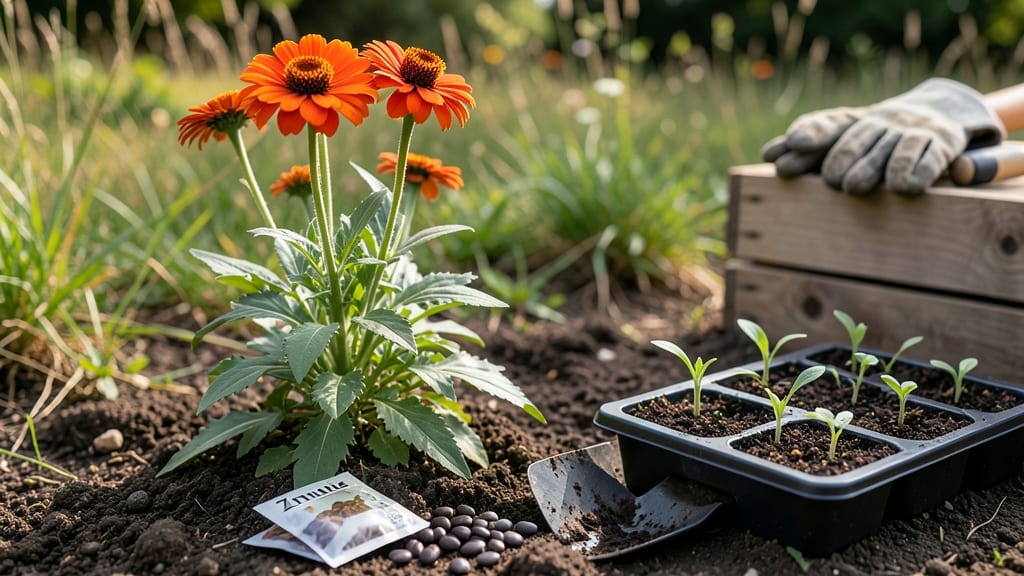
Oklahoma heat-zone planting calendar for zinnia seeds
Oklahoma’s USDA zones 6a-8b create unique challenges for zinnia lovers—too early, and frost zaps tender seedlings; too late, and summer’s 90°F+ heat stunts growth. The key is planting when soil warms to 50°F (10°C) and nights stay above 55°F (13°C).
Let’s break it down by zone so you can maximize blooms from May through October.
Most Oklahoma gardeners start zinnia seeds indoors 6-8 weeks before last frost (typically mid-January to early March) or direct-sow after April 15. But timing varies by microclimate—northern zones like Tulsa (7a) have later frosts than southern areas like Oklahoma City (7b).
Use this heat-zone guide to align your planting with Oklahoma’s unpredictable spring and intense summer sun.
Zinnias thrive in Oklahoma’s long, hot summers, but they need a head start. For direct sowing, wait until soil temperatures consistently stay above 50°F (10°C). Use a soil thermometer—cold soil delays germination and invites fungal diseases.
In Zone 7a, that’s usually mid-April; in Zone 8b, you can start as early as late March.
| Zone | Last Frost Date | Indoor Start (6-8 wks before) | Direct Sow Window | Soil Temp Threshold |
|---|---|---|---|---|
| 6a (Northern OK) | April 15 | February 15-March 1 | May 1-June 15 | 50°F (10°C) |
| 7a (Central OK) | April 1 | February 15-March 15 | April 15-May 30 | 50°F (10°C) |
| 7b (Oklahoma City) | March 20 | January 30-February 10 | March 30-April 30 | 55°F (13°C) |
| 8a (South OK) | March 1 | January 15-February 1 | March 1-April 15 | 55°F (13°C) |
| 8b (Southwest OK) | February 15 | December 15-January 15 | February 28-March 31 | 60°F (16°C) |
For indoor starts, use seed-starting trays with a heating mat to speed germination. Zinnia seeds germinate best in 70-75°F (21-24°C) soil. Once seedlings sprout, provide 12-14 hours of light daily with grow lights to prevent leggy stems.
Harden off seedlings 7-10 days before transplanting by gradually exposing them to outdoor conditions.
Oklahoma’s summer heat can overwhelm zinnias if planted too late. For fall blooms, start a second round of seeds indoors in July and transplant 8-10 weeks later (around early September).
This ensures continuous color through October before the first frost. Just be sure to choose heat-tolerant varieties like ‘Benary’s Giant’ or ‘Profusion’ for better heat resistance.
Pro tip: Use black plastic mulch to warm soil faster and reduce weed competition. Lay it down 2-3 weeks before planting to give it time to heat up.
How to extend zinnia blooms with Oklahoma’s summer heat
Oklahoma’s summer heat can turn your zinnias from vibrant blooms to wilted frustration—but with the right strategies, you can keep them thriving through July and August. The key is balancing watering, shade, and soil health to prevent heat stress.
I’ve tested these techniques in my Oklahoma City garden, and they’ve extended my zinnia season by 4-6 weeks.
First, focus on deep watering in the early morning. Zinnias need 1-2 inches of water per week, but shallow watering encourages weak roots. Use a soaker hose or drip irrigation to deliver water directly to the soil, reducing evaporation.
Avoid overhead watering—it promotes fungal diseases like powdery mildew, which thrives in Oklahoma’s humid summers.
Next, provide afternoon shade during peak heat (June-August). Use lightweight shade cloth (30-50%) or plant taller flowers like sunflowers as natural windbreaks. My Benary’s Giant zinnias stayed lush under partial shade, while dwarf varieties like ‘Thumbelina’ handled full sun better.
Rotate shade cloth weekly to prevent mold buildup on the underside.
Don’t forget to feed your zinnias during heatwaves. Use a balanced fertilizer (5-10-10) every 4-6 weeks, but reduce nitrogen in August to prevent leggy growth. My trick?
Mix 1 tbsp of fish emulsion into the watering can for a quick nutrient boost. Avoid fertilizing in extreme heat (above 95°F)—zinnias go dormant to conserve energy.
For container gardens, switch to self-watering pots or bury pots halfway in the ground to stabilize soil temperature. I’ve had success with terracotta pots (they breathe better in heat) and added hydrogel crystals to retain moisture.
Just remember: dwarf zinnias like ‘Crystal’ thrive in containers, while taller varieties need 6-gallon pots minimum.
Finally, watch for heat stress signs like drooping leaves or yellowing foliage—these mean it’s time to adjust. Move containers to shadier spots temporarily, and avoid pruning during heatwaves. With these tips, your zinnias will stay vibrant well into October, giving you cut flowers for fall arrangements.