
Plants
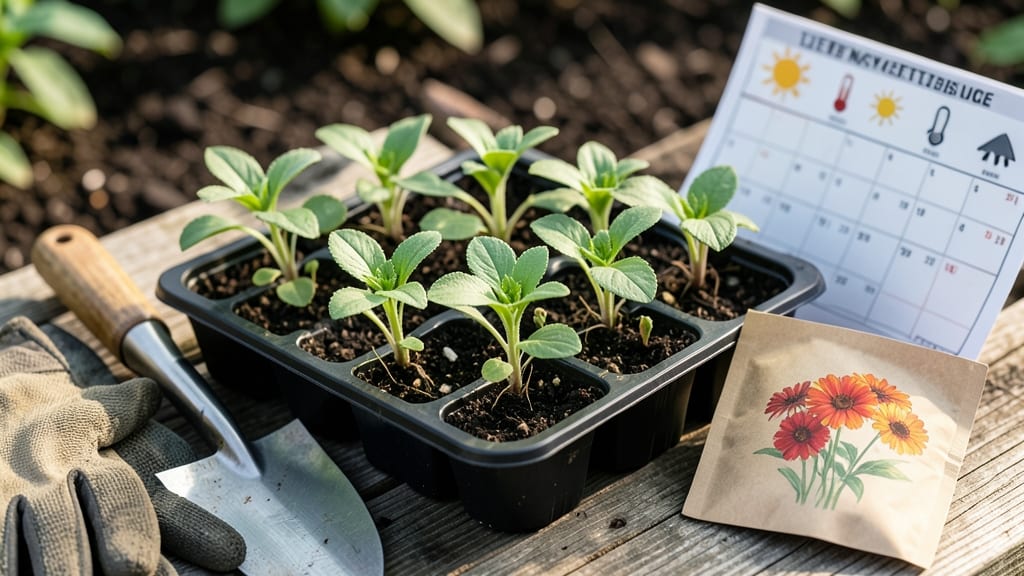
Knowing when to plant zinnias in Massachusetts can mean the difference between a burst of vibrant 🌻 blooms all summer and a sad, frost-nipped disappointment. The key? Timing it right after the last frost—typically mid-May to early June—but there’s more to it than just dates.
Massachusetts gardeners in USDA Zone 6a face unique challenges, from unpredictable spring weather to humid summers that can stress zinnias if planted too late. The good news?
With the right soil temperature (at least 50°F) and a few smart strategies, you can stretch your blooms from June straight through October.
In this guide, I’ll break down the exact planting windows for your zone, including how to handle late summer replanting for a second flush of flowers. You’ll also learn how to avoid common mistakes that cut bloom time short—like overcrowding or ignoring soil prep—so your zinnias thrive all season long.
Whether you’re a first-time gardener or a seasoned pro, these insights will help you grow zinnias that outperform the average garden bed. Let’s get those seeds in the ground at the perfect time for maximum impact!
Massachusetts zinnia planting dates by hardiness zone (USDA 5a-6b)
Massachusetts spans USDA zones 5a-6b, meaning frost dates vary dramatically from coastal areas to inland regions. In western MA (zone 6a), the last frost typically occurs around May 15, while eastern MA (zone 5a) often waits until May 25.
These dates determine when zinnias—heat-loving annuals—can safely go into the ground without frost damage.
Zinnias thrive in warm soil (50°F+) and need 60-90 frost-free days to reach peak bloom. For zone 6a, that means planting between May 15–June 1, while zone 5a gardeners should wait until June 1–15. Late summer plantings (July) also work for extended fall color.
Coastal areas like Cape Cod and the Islands (zone 6b) have earlier frost-free dates (April 25–May 10), allowing zinnias to start 2 weeks earlier than inland zones. Check your local MA Agricultural Extension Service for hyper-localized frost data.
For container gardening, zinnias can start indoors 4–6 weeks before last frost (by April 15 in most zones) using grow lights. Harden off seedlings before transplanting after soil warms to 55°F+.
| Zone | Last Frost Date | Ideal Planting Window | Soil Temp Threshold | Notes |
|---|---|---|---|---|
| 5a (Eastern MA) | May 25 | June 1–15 | 50°F+ | Cooler microclimates; use black plastic mulch |
| 6a (Western/Central MA) | May 15 | May 20–June 1 | 50°F+ | Warmer inland zones; earlier blooms |
| 6b (Coastal MA) | April 25–May 10 | May 1–15 | 50°F+ | Longer growing season; consider late summer plantings |
If you miss the spring window, don’t worry—zinnias are excellent for succession planting. Try a second planting in late July for fall blooms until October’s first frost. This strategy ensures continuous color and extends your harvest season by 6–8 weeks.
For direct sowing, scatter seeds ¼ inch deep after frost risk passes. For transplants, space seedlings 12–18 inches apart (dwarf varieties) or 24 inches apart (tall varieties like 'Benary’s Giant'). Overcrowding reduces airflow, increasing black spot fungus risks in humid summers.
Use row covers if planting early in zone 5a to protect seedlings from late frosts. Remove covers once plants reach 4–6 inches tall to prevent overheating. Monitor your local MA weather forecasts for 50°F+ soil temps—this is your green light to plant.
Pro tip: Test soil temperature with a soil thermometer (available at garden centers) before planting. Zinnias won’t germinate below 50°F, even if air temps are warmer. Patience here prevents stunted growth and poor blooming.
For extended blooms, pair zinnias with marigolds (natural pest deterrents) and basil (improves flavor if used in arrangements). These companions also repel whiteflies, a common zinnia pest in MA’s humid summers.
How to extend zinnia blooms in Massachusetts: soil, sun, and succession planting tips
Massachusetts summers can be short for zinnias, but with the right strategies, you can stretch those vibrant blooms from June until October. The key lies in soil prep, sunlight optimization, and smart planting techniques that keep your garden in full bloom all season long.
Zinnias thrive in well-draining soil with a pH between 6.0 and 7.0—ideal for Massachusetts’ clay-heavy regions. Amend your garden beds with compost or aged manure before planting to improve drainage and nutrient availability. This step is crucial because poor drainage leads to root rot, especially in our humid summers.
Here’s how to maximize your zinnias’ potential with proven techniques:
Don’t forget to monitor your zinnias for pests like aphids or spider mites, which thrive in our humid summers. A strong spray of water or neem oil can keep them at bay without harsh chemicals.
With these tips, your zinnias will reward you with bold colors and long-lasting blooms all season long.
Pro tip: Save seeds from your best zinnias at the end of the season! Massachusetts’ mild winters make it easy to collect seeds for next year’s garden—just let a few flowers go to seed before the first frost.