
Plants
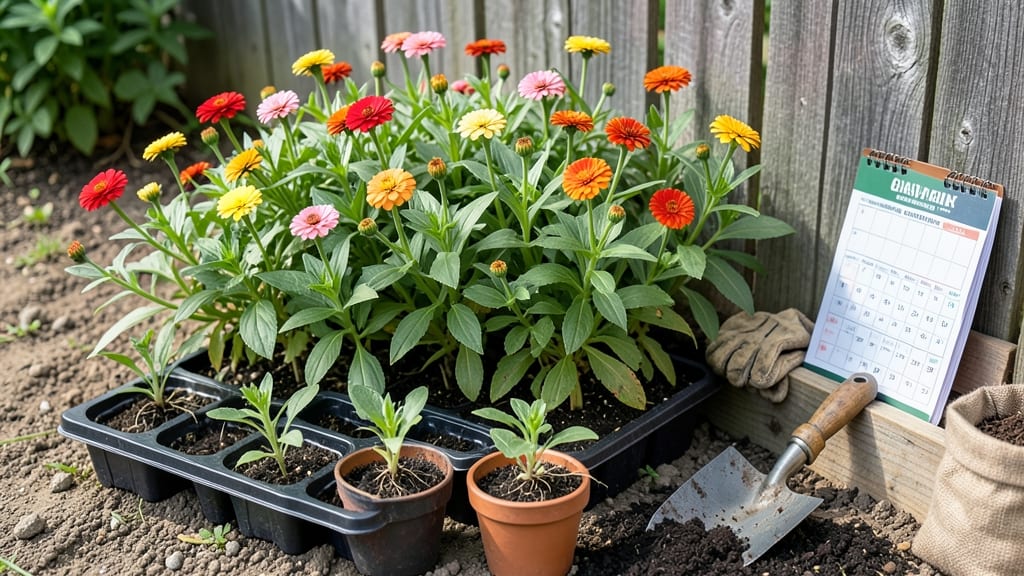
If you're dreaming of a Missouri garden bursting with colorful zinnias 🌼 this summer, timing your planting is the secret weapon you can't afford to miss.
Planting these cheerful annuals too early risks frost damage, while waiting too long cuts your blooming season short—so knowing the exact window matters more than you might think.
With Missouri's USDA zones 5b-6b and variable frost dates, the ideal planting window runs from mid-April through early June after the last frost.
But here's the kicker: your specific location within the state can shift that timeline by 2-3 weeks, and we'll break down exactly when to start seeds indoors versus when to sow directly outside for maximum impact.
Whether you're a first-time gardener or a seasoned pro, getting zinnias in the ground at the right time means nonstop blooms from July through October—and we're sharing the precise weeks before last frost that work for Missouri's three main frost zones.
Let's make sure your zinnias put on their best show all season long.
Ready to transform your garden into a vibrant paradise? I'll walk you through everything from soil temperature checks to succession planting strategies that keep your zinnias flowering until frost. Your summer color palette starts with these simple timing tips.
Missouri zinnia planting timeline: exact weeks before last frost by region
Missouri’s diverse climate zones mean zinnias thrive when planted at the perfect soil temperature—not too early, not too late.
The last spring frost typically arrives between April 1-15, but your exact planting window depends on whether you’re in St. Louis (Zone 6a), Kansas City (Zone 5b), or the Southeast (Zone 6b). Aim to plant zinnias 2-4 weeks after your region’s last frost date for robust growth.
Zinnias love warm soil (60°F+) and can’t tolerate frost, so timing is everything. Direct sowing after frost is ideal, but if you start indoors, transplant seedlings 1-2 weeks before your last frost date.
This gives them time to establish roots before summer heat arrives—critical for continuous blooms from July through October.
Here’s how Missouri’s three key regions break down for zinnias planting success:
| Region | Last Frost Date | Planting Window | Soil Temp Threshold | Best Method |
|---|---|---|---|---|
| St. Louis (Zone 6a) | April 15 | April 30 - May 15 | 60°F+ | Direct sow or transplant |
| Kansas City (Zone 5b) | April 22 | May 5 - May 20 | 60°F+ | Direct sow preferred |
| Southeast MO (Zone 6b) | April 1 | April 15 - May 1 | 60°F+ | Direct sow early |
For St. Louis gardeners, the May 1-15 window is your sweet spot—planting after this risks bolting (rapid flowering) before stems strengthen. In Kansas City, wait until May 5 to avoid frost damage, while Southeast Missouri’s warmer microclimates let you start as early as April 15.
Pro tip: Use a soil thermometer to confirm 60°F+ soil temps before planting. Cold soil slows germination, and zinnias won’t thrive until roots warm up. If your soil is still chilly, cover seeds with black plastic for 1-2 weeks to speed up heating.
Missouri’s summer heat (often 90°F+) can stress zinnias, so succession planting is key. Sow a second batch June 1-15 for fall blooms—just stop fertilizing 6 weeks before frost to harden off plants for winter.
One common mistake? Planting zinnias too close together. Space them 6-12 inches apart for airflow—crowded plants breed powdery mildew in Missouri’s humid summers. Thin seedlings early to avoid this, and always deadhead spent blooms to trigger more flowers.
For container gardening, start zinnias indoors 4-6 weeks before your last frost date. Use biodegradable pots to transplant seedlings directly into the ground—this minimizes root shock when moving them outdoors.
Missouri’s first frost usually hits October 15, but zinnias often keep blooming until November if protected by row covers on chilly nights. Mark your calendar for September 1—this is when I start planning my fall succession plantings to extend color until Thanksgiving!
Zinnia varieties and their ideal Missouri planting schedules
Not all zinnias thrive equally in Missouri’s heat and humidity. Dwarf varieties like 'Thumbelina' bloom faster but need early planting, while tall varieties like 'Benary’s Giant' reward patience with dramatic summer displays. Even the heat-tolerant 'Zahara' variety benefits from staggered planting to extend your color show through Labor Day.
Your planting strategy should match both the variety’s growth habit and Missouri’s frost-free window. For example, dwarf zinnias (6-12 inches) can handle slightly earlier sowing, while tall varieties (3-4 feet) need warmer soil to avoid flopping.
Let’s break down the perfect timing for each type to maximize your garden’s wow factor.
| Variety | Height | Best Planting Window | Succession Planting Tip |
|---|---|---|---|
| Thumbelina (Dwarf) | 6-12" | April 15 - May 10 | Sow every 2 weeks for continuous blooms |
| Profusion (Semi-Dwarf) | 12-18" | April 25 - May 20 | Plant second batch June 1 for late-summer color |
| Benary’s Giant (Tall) | 3-4 ft | May 5 - June 1 | Stake early to prevent flopping in heat |
| Zahara (Heat-Tolerant) | 18-24" | April 20 - May 15 | Plant late May for fall blooms |
For extended blooms, try this pro trick: Plant half your zinnias in late April and the other half in early June. The first batch will fade as the second takes over, creating a seamless summer-long display.
This works especially well for Profusion zinnias, which are disease-resistant and thrive in Missouri’s heat.
If you’re growing zinnias in containers, stick to dwarf varieties like 'Crystal' or 'Lilliput' and plant them 2 weeks earlier than ground planting dates. Containers warm up faster, giving them a head start. Just be sure to use well-draining soil to prevent root rot in Missouri’s occasional downpours.
For cut flower gardens, prioritize tall varieties like 'Double Click' or 'Persian Carpet' and plant them after May 1 when nights stay consistently warm. These varieties produce longer stems perfect for bouquets, and their later planting avoids the early-season fungal risks that plague Missouri gardens.
Remember: Deadheading spent blooms is non-negotiable for zinnias—they’ll keep producing flowers until first frost if you stay on top of it. Grab a pair of clean pruners and snip those faded blooms in the morning when stems are sturdy and hydrated.
Your zinnias will thank you with nonstop color through October.