
Plants
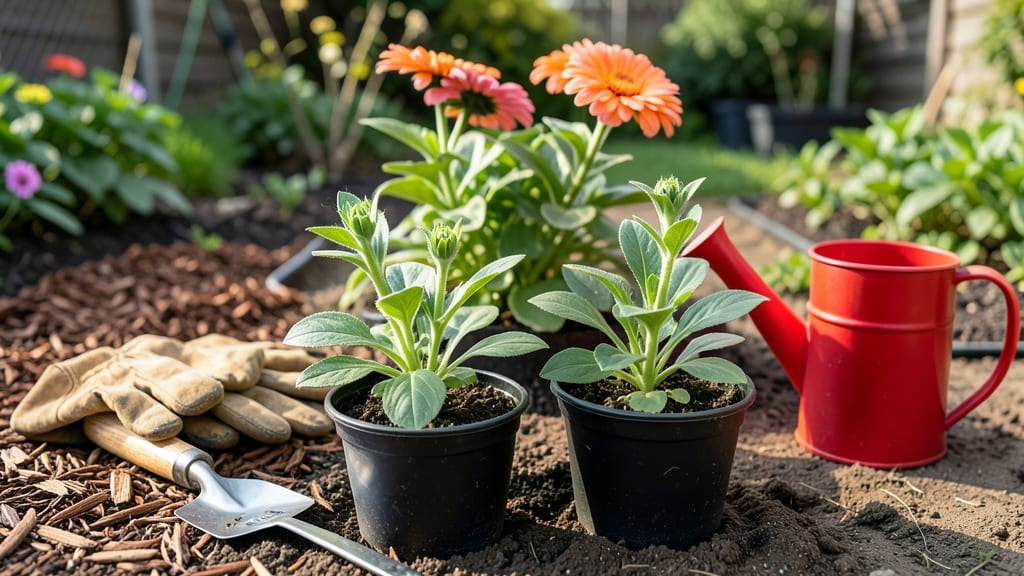
Ohio zinnia planting calendar: best months by region
Ohio’s diverse microclimates mean your zinnias might thrive in April in southern regions while northern areas wait until May. Understanding these regional differences ensures your zinnias bloom vibrantly from June through October. Let’s break down the exact planting windows for Ohio’s three key zones: southern, central, and northern.
Zinnias are warm-season annuals that hate frost, so timing your planting after the last frost date is critical. In Ohio, this typically falls between mid-April and early May, but soil temperature matters more than calendar dates.
Aim to plant when soil reaches at least 50°F—zinnias won’t germinate in cold soil, no matter how warm the air feels.
Here’s how to align your planting with Ohio’s USDA Zones 5b-6a and regional frost patterns for foolproof results:
| Region | Last Frost Date | Ideal Planting Window | Soil Temp Threshold | Bloom Start |
|---|---|---|---|---|
| Southern Ohio (e.g., Cincinnati, Columbus) | Mid-April | Late April to early May | 50°F+ | Early June |
| Central Ohio (e.g., Cleveland, Akron) | Early May | Early to mid-May | 50°F+ | Mid-June |
| Northern Ohio (e.g., Toledo, Youngstown) | Late April to early May | Mid-May | 50°F+ | Late June |
| All Regions (Succession Planting) | N/A | June (for late blooms) | 55°F+ | August-September |
🌱 Pro Tip: Use a soil thermometer to confirm readiness—zinnias won’t germinate below 50°F!
If you’re eager to start earlier, consider indoor seed starting in March. Zinnias germinate quickly (5-10 days) when kept warm, and you can transplant seedlings outdoors once temperatures stabilize. Just be sure to harden off seedlings for 7-10 days before moving them to your garden to avoid shock.
Ohio’s humidity and summer heat can stress zinnias if planted too late. For northern Ohio gardeners, aim to plant by mid-May to give zinnias enough time to establish roots before the heat of July.
In southern Ohio, you can push it slightly later into early May without risking poor growth.
For extended blooms, try succession planting in early June. This ensures fresh zinnias bloom as older plants fade, giving you nonstop color until frost. Just remember: zinnias planted after July 1st may struggle to mature before Ohio’s first frost in mid-October.
Ohio’s rocky soil can also affect germination. Amend your planting beds with compost or aged manure to improve drainage and fertility. Zinnias prefer well-draining soil with a pH between 6.0 and 7.0, so a quick soil test before planting can save you from stunted growth later.
Finally, keep an eye on your local weather forecasts. A late frost in May can wipe out young seedlings, so have a
How to extend zinnia blooms all summer in Ohio’s climate
Zinnias are Ohio’s secret weapon for summer-long color, but their blooming season can fizzle fast if you don’t extend their life cycle. The key? Succession planting, strategic care, and working with Ohio’s humid heat and rocky soil. With the right approach, your zinnias will flower from early June until frost, giving you vibrant blooms when most annuals fade. Ohio’s hot, humid summers can stress zinnias, causing them to bolt or stop producing flowers. But by focusing on soil prep, watering discipline, and deadheading, you’ll keep them blooming like clockwork. Let’s break down the exact steps to turn your Ohio garden into a zinnia paradise all season long.5 Pro Tips to Extend Zinnia Blooms in Ohio
- Plant in stages: Start your first batch 2 weeks after last frost (mid-April), then add new seeds every 2-3 weeks until early July. This ensures continuous blooms.
- Deadhead daily: Snip off spent blooms with clean shears to redirect energy to new flowers. 10 minutes daily = weeks of extra blooms.
- Mulch heavily: Use 2-3 inches of mulch (straw or shredded leaves) to retain moisture and cool roots during Ohio’s 90°F+ heat waves.
- Water at the base: Avoid wetting leaves to prevent powdery mildew (a common Ohio issue). Use a soaker hose for deep, even watering.
- Fertilize lightly: Feed with 5-10-10 fertilizer only when blooming starts (June). Too much nitrogen = fewer flowers, more foliage.
🌼