
How To
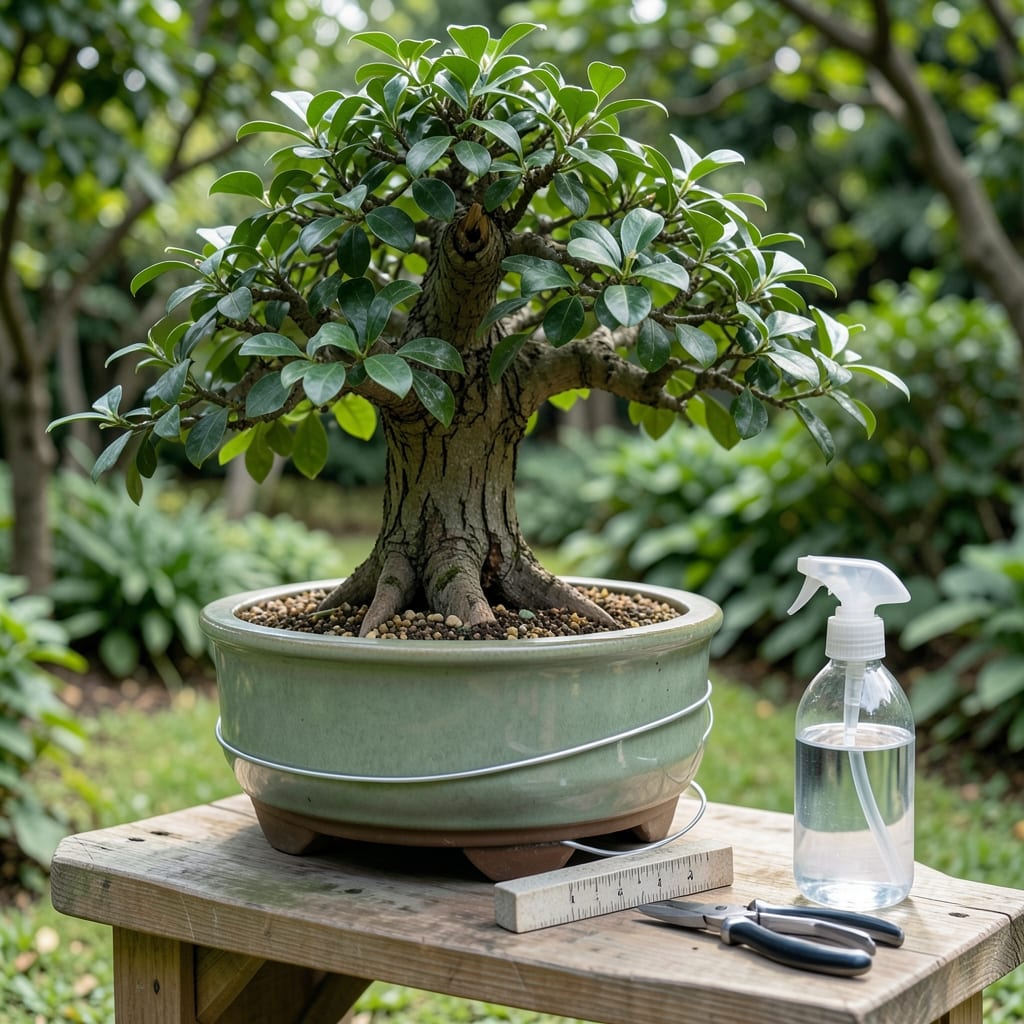
If you’ve ever dreamed of growing a bonsai tree and wondered, "How tall do they grow?"—the answer isn’t as simple as you might think. While most stay between 1 and 3 feet tall, the final size depends on the species, your pruning skills, and even the pot you choose.
Some varieties, like the classic juniper, naturally stay small, while others—like the towering black pine—can stretch taller if left unchecked. The key to controlling height lies in understanding your tree’s growth habits and when to prune. With the right techniques, you can shape your bonsai into a miniature masterpiece, no matter your starting point.
Whether you’re a beginner or a seasoned grower, knowing how to manage growth will help you avoid common mistakes. From choosing the right species to mastering pruning cycles, this guide will show you exactly how to keep your bonsai at your desired height—without sacrificing its health or beauty.
Ready to turn your vision into reality? Let’s break down the factors that influence bonsai size and how to guide your tree’s growth like a pro.


Natural height ranges of popular bonsai tree species
The height of your bonsai tree depends entirely on its species and how you care for it. While most bonsai stay between 1 and 3 feet tall, some varieties naturally grow taller if not pruned regularly. Below, I’ve broken down the typical mature heights for the most popular bonsai species, so you can choose the perfect fit for your space and skill level.
For example, the juniper bonsai is a classic choice for beginners, often reaching just 1 to 2 feet when properly maintained. Meanwhile, the ficus bonsai, a favorite for indoor growers, can stretch up to 3 feet if left unchecked. Understanding these ranges will help you set realistic expectations and avoid disappointment.
Outdoor bonsai, like the black pine or maple, tend to grow taller than their indoor counterparts due to better sunlight and growing conditions. However, with consistent pruning and root restriction, even these larger species can be kept compact. The key is to start with a species that matches your desired height and adjust care techniques as your tree matures.
Here’s a quick reference to help you visualize the differences:
| Species | Mature Height (Outdoor) | Mature Height (Indoor) | Growth Rate | Best For |
|---|---|---|---|---|
| Juniper (e.g., Procumbens) | 1–2 ft | 1–1.5 ft | Slow to Moderate | Beginners, Outdoor |
| Ficus (e.g., Retusa) | 2–3 ft | 1.5–2.5 ft | Moderate | Indoor, Low Light |
| Black Pine (Pinus thunbergii) | 3–5 ft | 2–3 ft | Slow | Outdoor, Experienced |
| Japanese Maple (Acer palmatum) | 2–4 ft | 1.5–2.5 ft | Moderate | Outdoor, Colorful Foliage |
| Chinese Elm (Ulmus parvifolia) | 2–3 ft | 1.5–2.5 ft | Moderate | Indoor/Outdoor, Durable |
If you’re aiming for a miniature bonsai (under 1 foot), focus on species like the juniper or dwarf pine. These varieties are naturally compact and respond well to pruning. On the other hand, if you’re drawn to bold, dramatic shapes, the black pine or maple can create stunning focal points—just be prepared for more aggressive pruning to keep them in check.
One common misconception is that all bonsai trees stay small naturally. In reality, many species can grow much taller if not pruned or restricted. For instance, a ficus bonsai left unpruned indoors
How to control bonsai tree height: pruning and training techniques
Controlling your bonsai tree’s height is all about timing, technique, and patience. Unlike regular trees, bonsai rely on pruning, wiring, and root restriction to stay small. The key is to prune at the right times—typically in spring and early summer—when your tree is actively growing. This prevents shock and encourages bushier, more compact growth.
Start with pinching young shoots to encourage branching. For more dramatic height control, use defoliation (removing leaves) to stimulate smaller, denser foliage. Remember, the goal isn’t just to cut back—it’s to shape your tree while maintaining its health. Over-pruning can stress your bonsai, so always leave at least 1/3 of the foliage intact.
Here’s a step-by-step guide to mastering bonsai height control:
Step 1: Prune New Growth
Use clean, sharp bonsai shears to trim back 1/3 of new shoots in spring. Focus on vertical growth to encourage a fuller canopy.
Step 2: Wire for Shape
Wrap aluminum or copper wire around branches to guide growth. Remove wires after 3-6 months to avoid scarring.
Step 3: Defoliate for Density
Remove 1/2 to 2/3 of leaves in late spring to promote smaller, thicker foliage. Water thoroughly afterward to reduce stress.
Step 4: Restrict Roots
Repot every 2-3 years to trim roots and use a smaller pot. This slows growth and improves stability.
Step 5: Monitor Seasonally
Adjust pruning in fall and winter to remove dead branches and refine shape. Avoid heavy pruning during dormancy.
One common mistake is pruning too late in the season. If you wait until fall or winter, your bonsai may struggle to recover before dormancy. Instead, plan your pruning cycles around active growth periods—typically March to June for most species. This ensures your tree has time to heal and regrow before slower months.
For indoor bonsai, like ficus or jade, focus on light pruning every 4-6 weeks to maintain shape. Outdoor varieties, such as pine or maple, may need more aggressive pruning due to faster growth. Always research your specific species’ needs to avoid over- or under-pruning.
With consistent care, you can keep your bonsai at any height—from a teacup-sized masterpiece to a tabletop statement piece. The secret? Balance pruning with patience, and your bonsai will thrive at your desired size. 🌿