
Plants
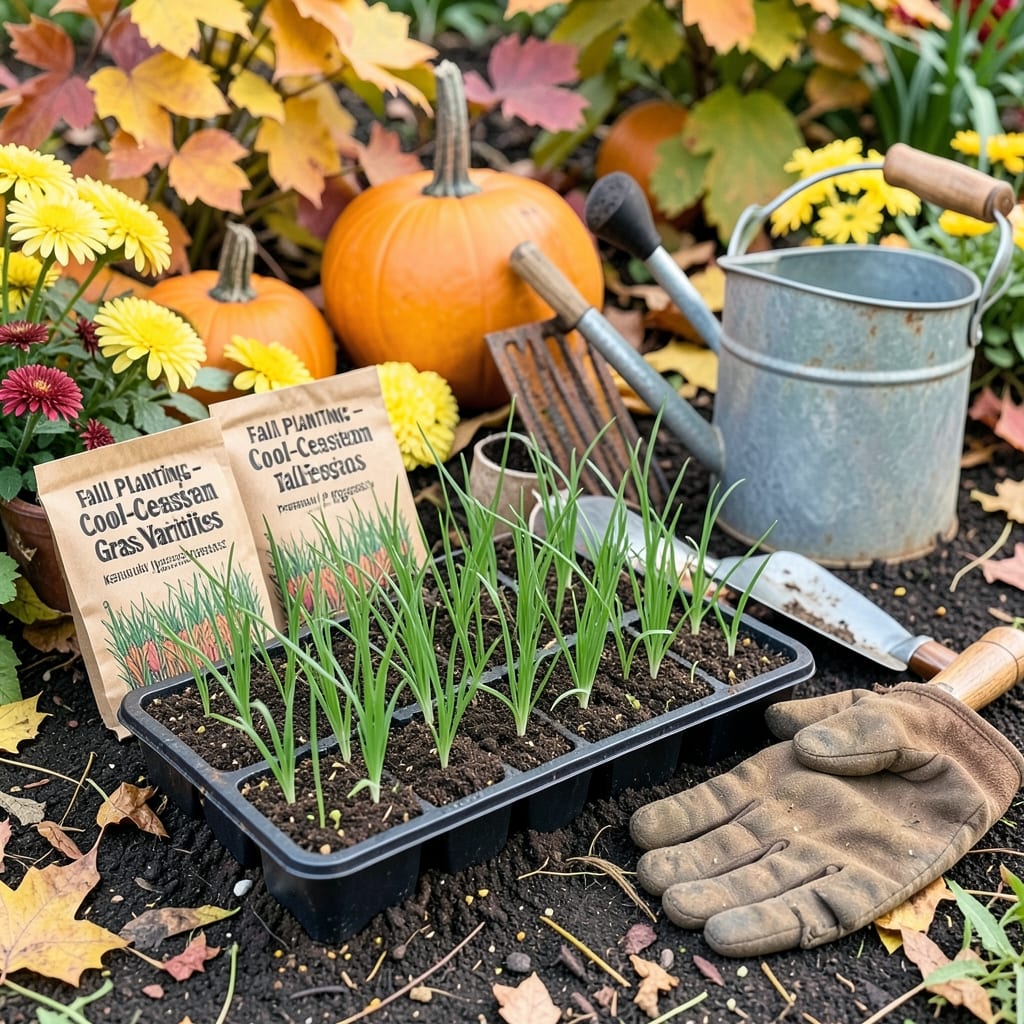
Timing your grass seed planting in the fall can make or break your spring lawn—get it wrong, and you’ll battle weeds or weak roots. The secret lies in understanding your zone’s frost window, because planting too early lets weeds steal the show, while waiting too long risks frost damage before roots take hold.
In USDA Zone 6a, like many northern regions, the ideal window is 4-6 weeks before your first frost—typically late September to early October. This gives your 🌱 grass enough time to germinate and establish roots before winter slows things down. Cooler temps also mean less competition from weeds, so your new lawn gets a head start.
But not all grass types thrive equally in fall. Cool-season varieties like tall fescue or Kentucky bluegrass love this timing, while warm-season grasses like Bermuda struggle. I’ll break down the best types for your climate and how to prep your soil for maximum success—no guesswork, just lush results.
Ready to skip the spring patchwork? Let’s dive into the exact steps to plant your grass seed at the perfect moment, so you’re mowing a thick, vibrant lawn next summer—not patching bare spots.
Best fall grass planting dates by USDA hardiness zones (with exact weeks to plant)
Timing your grass seed planting in fall depends entirely on your USDA hardiness zone. Plant too early, and weeds will outcompete your seedlings; too late, and frost will halt growth before roots establish. The golden rule? Aim for 4-6 weeks before your first frost date when soil temps hover between 60-75°F—ideal for germination.
In Zone 6a, like much of the Midwest, that means planting between late September and early October. But if you’re in Zone 8b (southern California), you might extend planting into November. Each zone has its own window, and I’ve mapped them out below to help you avoid common mistakes like overwatering or skipping soil prep.
Here’s the key: Cool-season grasses (like tall fescue or perennial ryegrass) thrive in fall, while warm-season grasses (like Bermuda) need spring planting. Choosing the right type for your zone is half the battle.
Pro tip: Check your local frost dates (your county extension office has this data) and count backward 6 weeks. If your area has early frosts, plant on the earlier side of the window—your grass needs time to establish roots before winter dormancy.
| Zone | Ideal Planting Window | Soil Temp (°F) | Grass Types |
|---|---|---|---|
| 3-4 | Mid-August to early September | 60-70°F | Tall fescue, Fine fescue |
| 5-6 | Late August to mid-October | 60-75°F | Kentucky bluegrass, Perennial ryegrass |
| 7-8 | September to November | 65-80°F | Tall fescue, Buffalo grass |
| 9-10 | October to December | 70-85°F | Warm-season mixes (if late) |
Notice how Zone 3-4 has the earliest window? That’s because early frosts force you to plant sooner. Meanwhile, Zone 9-10 can stretch planting into December, but only if your winters are mild. Always double-check your last frost date—planting too late means your grass won’t have time to develop deep roots before dormancy.
One more critical detail: Soil temperature matters more than air temperature. Use a soil thermometer ($10 at garden centers) to confirm temps are in the 60-75°F range. If it’s cooler, wait—cold soil slows germination. If it’s hotter, you risk dormancy or seed burn.
For example, in Zone 6a, if your soil hits 75°F in August, hold off until September. But if it’s 55°F in October, you’ve missed the window. Patience is key—rushing leads to patchy lawns.
Finally, prep your soil 2-3 weeks before planting. Loosen the top 4-6 inches with a tiller or garden fork, remove debris, and add compost for nutrients. This step ensures your grass seeds won’t struggle to break through compacted soil.
Ready to plant? Grab your seed, starter fertilizer, and a light mulch—we’ll cover the exact steps next to lock in that thick, weed-free lawn by spring.
5 Critical signs your fall grass planting timing is wrong (and how to fix it)
Planting grass seed too early or late in fall can turn your dream lawn into a weedy battleground. One of the first red flags? Weeds sprouting faster than your grass. If you see crabgrass or dandelions popping up before your seeds germinate, you planted too early—weeds thrive in warm soil while your grass struggles to wake up.
Another warning sign is slow germination after 2-3 weeks. If your seeds aren’t sprouting within this timeframe, your soil might be too cold (below 60°F) or too hot (> 80°F). Check soil temps with a thermometer—adjust your planting date if needed. Patience is key; rushing leads to patchy results.
- Weeds outcompeting grass: Planted too early. Wait until soil temps drop to 60-75°F.
- No germination after 3 weeks: Soil too cold or dry. Water deeply and check temps.
- Frost damage on new shoots: Planted too late. Aim for 4-6 weeks before frost.
- Yellowing or wilting grass: Overwatering or poor drainage. Reduce watering and aerate soil.
- Thin, patchy growth: Uneven seed distribution or poor soil prep. Reseed thin areas.
Frost damage is another dealbreaker. If you notice blackened or crispy grass blades after planting, you waited too long. Grass needs 4-6 weeks to establish roots before winter dormancy. In Zone 6a, this means planting by late September—not October.
Yellowing or wilting grass after planting often signals overwatering or poor drainage. Grass seeds need consistent moisture, but soggy soil suffocates roots. Water lightly twice daily (morning and evening) for the first week, then taper to deep watering every 3-5 days. A soil moisture meter ($15) helps avoid guesswork.
Finally, if your lawn looks thin and patchy even after germination, you likely had uneven seed distribution or compacted soil. Fix this by reseeding bare spots in spring and aerating compacted areas. Spring is your chance to fill gaps—just avoid heavy foot traffic until roots strengthen.
Don’t let these mistakes ruin your lawn! Adjust your timing, monitor soil conditions, and your grass will thrive. Next, we’ll cover the step-by-step planting process to ensure your fall seeds grow into a thick, vibrant lawn by summer.