
How To
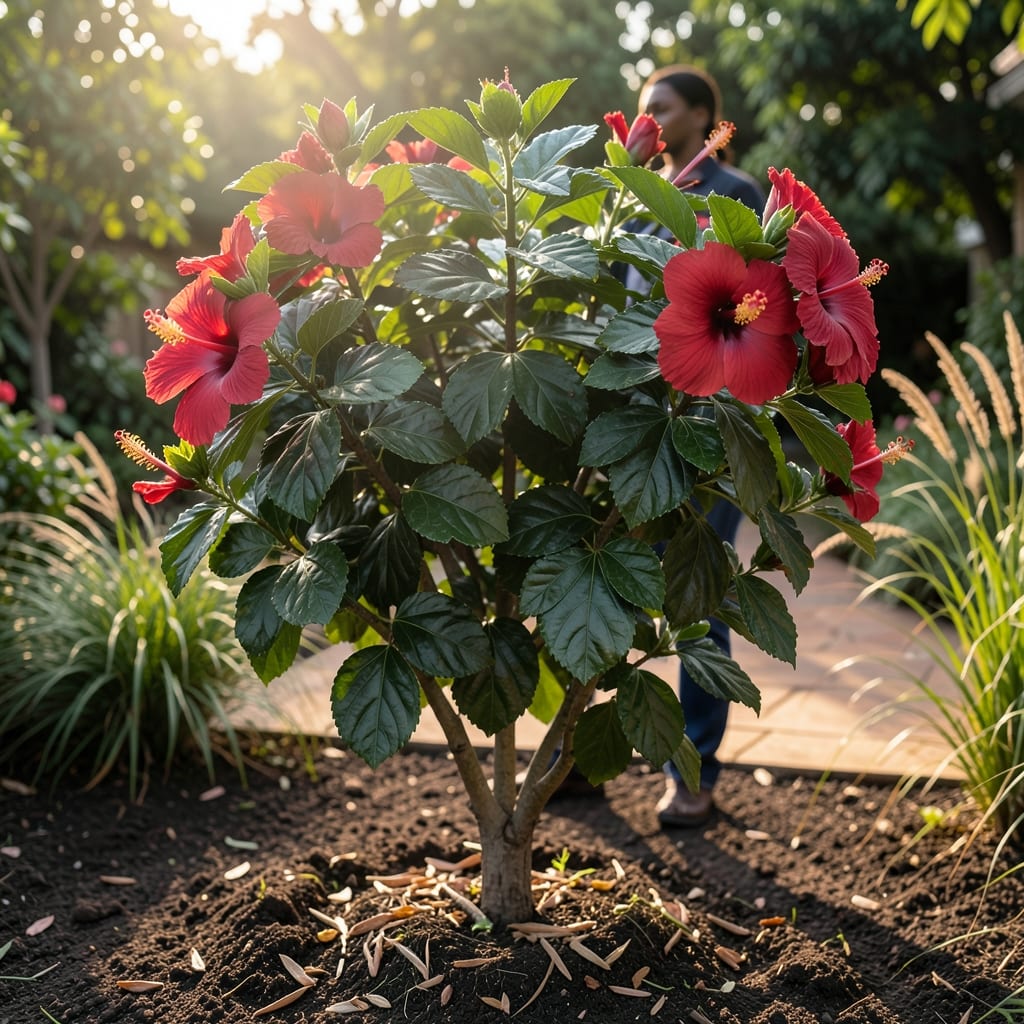
If you're dreaming of a hibiscus how tall do they grow plant that adds drama to your garden, you might be surprised by how much their height can vary—from tiny shrubs to towering trees. Some varieties stay as compact as 3 feet, perfect for containers or small spaces, while others can stretch over 12 feet, making them statement pieces in large landscapes.
The difference often comes down to the type you choose. Hardy hibiscus like Hibiscus syriacus typically stay between 6 and 12 feet, while tropical varieties such as Hibiscus rosa-sinensis can grow even taller if left unchecked. Even within the same species, pruning and care can dramatically shape their final height, so knowing what to expect before planting is key.
Whether you're working with limited space or aiming for a bold garden backdrop, understanding these growth patterns helps you pick the right variety for your vision. Let’s explore how to control their size and where they thrive best in your landscape.
From dwarf hibiscus that fit neatly in pots to towering tropical giants, your garden’s height potential is only limited by your choices. Ready to find the perfect fit for your space?


Hibiscus height by variety: from dwarf to giant tree-sized plants
Hibiscus plants are famous for their stunning blooms, but their height variations can be just as impressive. Some varieties stay small enough for container gardens, while others grow into towering landscape staples. The key difference? Whether you’re growing tropical hibiscus or hardy hibiscus—each has its own growth expectations.
If you’re planning your garden layout, knowing these height ranges will help you choose the perfect hibiscus for your space. For example, a dwarf hibiscus might reach just 3 feet tall, while a tropical hibiscus tree can soar to 20 feet or more! Let’s explore the most common varieties and what to expect from each.
| Variety | Mature Height | Growth Rate | Best For |
|---|---|---|---|
| Dwarf Hibiscus (Hibiscus moscheutos 'Lilliputian') | 2–4 ft | Slow to moderate | Containers, small gardens, borders |
| Hardy Hibiscus (Hibiscus syriacus) | 6–12 ft | Moderate | Privacy screens, large gardens, hedges |
| Tropical Hibiscus (Hibiscus rosa-sinensis) | 10–20+ ft (if unpruned) | Fast | Tropical landscapes, large yards, statement plants |
| Swamp Hibiscus (Hibiscus moscheutos) | 5–8 ft | Moderate | Ponds, wetland gardens, tall borders |
| Miniature Hibiscus (Hibiscus 'Pride of Jamaica') | 3–5 ft | Slow | Containers, patios, small spaces |
One of the most popular dwarf hibiscus varieties is the 'Lilliputian', which stays under 4 feet tall while still producing large, showy blooms. This makes it perfect for container gardening or adding color to small patios. If you’re in a USDA Zone 5-9, this variety thrives in cooler climates, unlike its tropical cousins.
On the other end of the spectrum, the tropical hibiscus (Hibiscus rosa-sinensis) can grow into a small tree if left unpruned, reaching heights of 15–20 feet. These varieties are stunning but require warm climates (Zones 10–11) or container growing in cooler areas. Their rapid growth means they can quickly become a landscape focal point.
For those in temperate climates, the hardy hibiscus (Hibiscus syriacus) is a fantastic choice. Often called the "rose of Sharon", it typically grows 6–12 feet tall and is drought-tolerant once established. Its long blooming season (summer to fall) makes it a low-maintenance workhorse for gardens.
If you’re near a pond or wetland, consider the swamp hibiscus (Hibiscus moscheutos). This variety thrives in moist soil and can reach 5–8 feet tall, making it ideal for naturalistic gardens or water feature edges. Its large, dinner-plate flowers are a magnet for pollinators like hummingbirds.
Before planting, check your local climate zone and available space. A 3-foot dwarf hibiscus might fit perfectly in a window box, while a 20-foot tropical hibiscus needs room to spread its roots—and its branches! Always measure your space and consider future growth potential to avoid overcrowding.
Pro tip: If you love the look of hibiscus but have limited space, opt for container-grown varieties. With the right pruning techniques and fertilization, even a tropical hibiscus can be kept at a manageable 4–6 feet tall for patio gardening.
How to control hibiscus growth: pruning and care tips for compact plants
Pruning is the secret weapon for controlling hibiscus height—whether you want a compact bush or a taller statement plant. With the right techniques, you can keep even fast-growing tropical hibiscus at a manageable 4–6 feet or encourage hardy varieties to reach their full 12-foot potential. The key is timing, tools, and consistency.
For dwarf hibiscus like 'Lilliputian,' pruning isn’t just about size—it’s about encouraging bushier growth and more blooms. Start by removing dead or leggy stems in early spring before new growth begins. This opens up the plant to sunlight, which triggers more flower production.
Pruning Pro Tips
- Best time: Late winter/early spring (before buds swell) or right after blooming.
- Tools: Use sterilized pruners or sharp shears to avoid tearing stems.
- Cut angle: Always cut at a 45-degree angle just above a leaf node.
- Remove: 1/3 of old growth annually to maintain shape and health.
If your hibiscus is outgrowing its space, focus on structural pruning to shape it into a smaller, more manageable form. For example, if your tropical hibiscus is reaching 10 feet but you want it at 6 feet, prune back the longest branches by 1/3 in early spring. This stimulates bushier growth while keeping the plant contained.
Fertilization plays a huge role in controlling height. Over-fertilizing with high-nitrogen feeds can lead to excessive leafy growth at the expense of flower production and compact size. Instead, use a balanced 10-10-10 fertilizer in early spring and summer to encourage controlled growth. Reduce feeding in fall and winter to slow down growth and prepare the plant for dormancy.
Sunlight exposure also influences hibiscus height. While most hibiscus thrive in full sun (6+ hours daily), partial shade (3–4 hours) can slow vertical growth slightly. If your hibiscus is too leggy, try moving it to a sunnier spot—this encourages denser, bushier growth and shorter internodes (the distance between leaves).
For container-grown hibiscus, root-bound plants often grow taller and thinner as they stretch toward light. To keep them compact and healthy, repot every 2–3 years into a slightly larger container (just 1–2 inches wider). This stimulates root growth and supports a fuller shape. Always use a well-draining potting mix to prevent root rot, which can weaken the plant and stunt growth.
Remember, hibiscus are forgiving plants—even if you prune too much by accident, they’ll bounce back with vigorous new growth. Start with light pruning and adjust based on how your plant responds. With the right care, you can shape your hibiscus into the perfect size for your garden—whether that’s a 3-foot patio star or a 12-foot privacy screen.