
How To
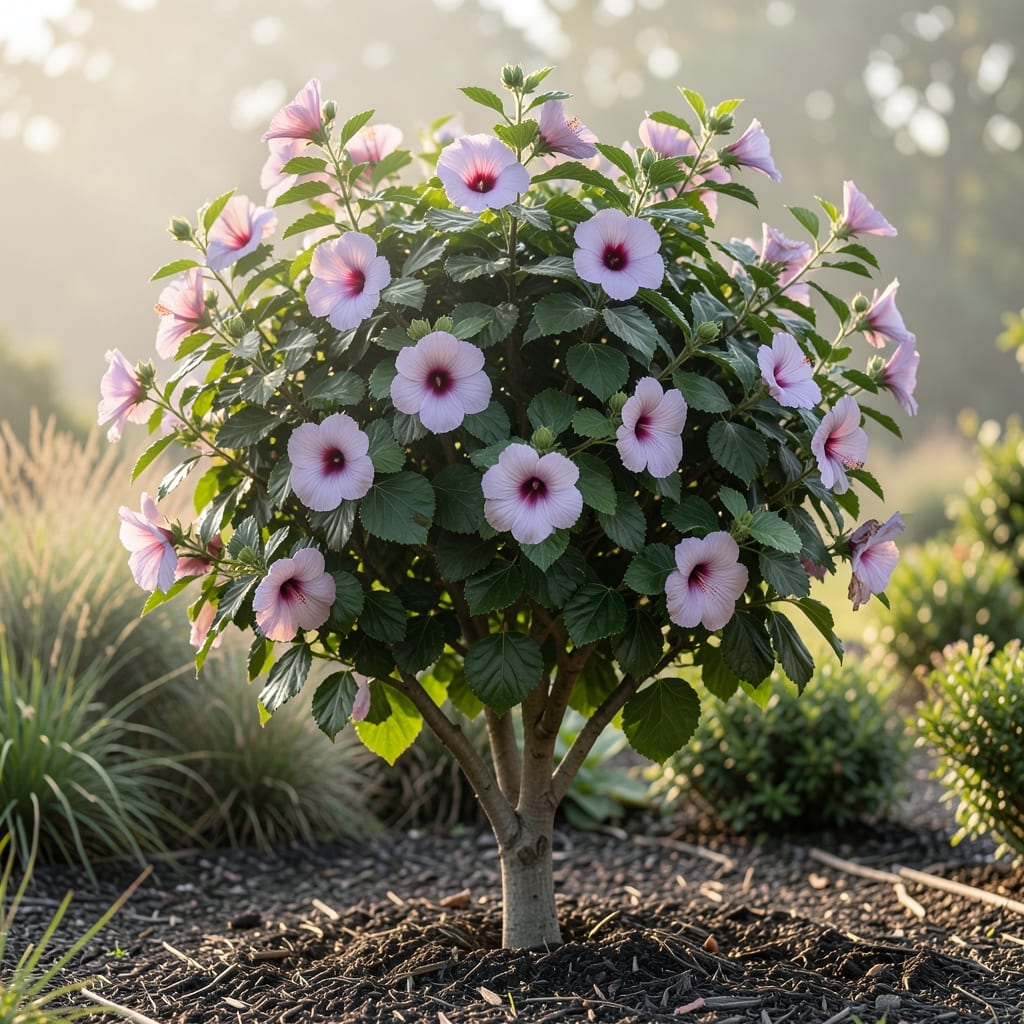
If you’ve ever wondered how tall can a hibiscus tree grow, the answer might surprise you—these stunning 🌺 plants can range from compact shrubs to towering giants, depending on the variety and care. Some hardy hibiscus types stay around 6 feet, perfect for small gardens, while tropical species can soar to 30 feet or more, turning your backyard into a lush, eye-catching landscape.
The key to understanding your hibiscus’s potential height lies in its species and growing conditions. For example, the Hibiscus syriacus (commonly called rose of Sharon) typically reaches 10-15 feet, while the tropical Hibiscus rosa-sinensis can grow even taller in warm climates. Climate, soil quality, and sunlight all play a role in how much your hibiscus will stretch toward the sky.
But don’t worry if you’re working with limited space—pruning and regular maintenance can help keep your hibiscus at your desired height. Whether you’re aiming for a 6-foot shrub or a 20-foot tree, I’ll show you how to control its growth and keep it thriving in your garden.
Ready to learn how to nurture your hibiscus into the perfect size? Let’s dive into the secrets of managing height, from pruning tips to choosing the right variety for your space.

Hibiscus tree height variations: dwarf to giant species explained
Hibiscus trees aren’t one-size-fits-all—some stay as compact shrubs while others grow into towering giants. The Hibiscus rosa-sinensis, the classic tropical hibiscus, typically reaches 10–15 feet but can soar to 20 feet in ideal conditions. Meanwhile, the hardy hibiscus (Hibiscus syriacus), also called rose-of-Sharon, matures between 6–12 feet, making it perfect for smaller yards.
For those with limited space, dwarf varieties like 'Little John' or 'Pinks' stay under 6 feet, thriving in containers or tight garden beds. On the opposite end, wild hibiscus species in tropical climates can exceed 30 feet, resembling small trees with sprawling canopies. Your choice of variety directly impacts how much vertical space you’ll need to accommodate.
Climate plays a huge role too. Tropical hibiscus thrive in USDA Zones 9–11, where they grow aggressively, while hardy hibiscus adapt to Zones 5–9 with more controlled growth. Even within the same species, pruning habits and soil fertility can push a plant from a 6-foot shrub to a 15-foot tree.
| Variety | Mature Height | Growth Habit | Best For |
|---|---|---|---|
| Hibiscus rosa-sinensis (Tropical) | 10–20 ft | Fast-growing, multi-stemmed | Tropical gardens, containers |
| Hibiscus syriacus (Hardy) | 6–12 ft | Upright, bushy | Cold climates, small yards |
| Dwarf Varieties (e.g., 'Little John') | 3–6 ft | Compact, slow-growing | Containers, patios, small spaces |
| Wild Tropical Species | 20–30+ ft | Tree-like, aggressive | Large landscapes, tropical regions |
If you’re planning your garden layout, consider the growth rate too. Tropical hibiscus can add 3–5 feet per year in perfect conditions, while hardy varieties grow 1–2 feet annually. This means a 3-foot sapling could become a 12-foot tree in just three years without intervention. For container-grown hibiscus, root-bound conditions can stunt growth, keeping them smaller but requiring more frequent repotting.
Another key factor is the root system. Hibiscus with deep, fibrous roots (like Hibiscus mutabilis) often grow taller, while those with shallower roots stay bushier. Amending your soil with organic matter like compost can encourage deeper roots, potentially increasing height over time. However, if you’re aiming for a manageable shrub, prioritize well-draining soil to limit excessive growth.
Don’t overlook the flowering impact on height. Heavier blooms can weigh down stems, causing plants to grow wider rather than taller. Varieties like 'Lord Lamberton' (a hardy hibiscus) produce large, showy flowers but stay between 8–10 feet, proving that stunning blooms don’t always mean sky-high growth. For a balanced look, choose varieties bred for both height control and abundant flowers.
One common mistake is assuming all hibiscus grow the same way. Hibiscus moscheutos, or swamp hibiscus, can reach 10–15 feet but prefers wet soil, making it ideal for ponds or rain gardens. Meanwhile, Hibiscus coccineus (scarlet hibiscus) stays around 6–8 feet and thrives in moist but well-drained soil. Matching the variety to your climate and soil type is the first step to predicting—and controlling—your hibiscus’s height.
For urban gardeners, container size matters. A hibiscus planted in a 5-gallon pot will max out around 4–5 feet, while a 15-gallon container allows for 6–8 feet of growth. If you’re using containers, choose fast-draining mixes with perlite or sand to prevent root rot, which can stunt growth. Regularly fertilizing with a balanced 10-10-10 mix will encourage upward growth, but avoid over-fertilizing, which can lead to leafy but leggy plants.
Remember, hibiscus height isn’t set in stone—it’s shaped by your care.
What determines how tall your hibiscus tree will grow?
The height of your hibiscus tree depends on a mix of natural genetics and environmental factors. While some varieties are genetically programmed to stay small (like 'Little John' at 3–6 feet), others like Hibiscus rosa-sinensis can grow aggressively with the right conditions. Understanding these key factors will help you predict—and control—your hibiscus’s ultimate height.
First, climate and hardiness zone play a huge role. Tropical hibiscus (Zones 9–11) grow much taller than hardy varieties (Zones 5–9). For example, a Hibiscus syriacus in Zone 7 might max out at 10 feet, while the same plant in Zone 9 could reach 15 feet. Cold snaps stunt growth, forcing hardy hibiscus to focus energy on survival rather than height.
Next, sunlight exposure directly impacts vertical growth. Hibiscus need 6+ hours of direct sun daily to thrive, and more sunlight often means taller growth. However, too much intense sun (especially in hot climates) can cause stress, leading to stunted growth or leaf drop. If your hibiscus isn’t getting enough light, it may grow leggy and weak, reaching for sunlight but never gaining structural strength.
- 1. Variety: Tropical hibiscus grow taller (10–20 ft) vs. hardy types (6–12 ft).
- 2. Climate: Warmer zones (9–11) allow faster, taller growth than cooler zones (5–9).
- 3. Sunlight: 6+ hours of sun fuels vertical growth; insufficient light causes leggy, weak stems.
- 4. Soil Fertility: Rich, well-draining soil with compost encourages taller growth.
- 5. Pruning: Regular pruning controls height; lack of pruning leads to unchecked growth.
- 6. Watering: Overwatering causes root rot (stunting growth), while underwatering stresses the plant.
- 7. Container Size: Smaller pots limit root expansion, capping height at 4–6 feet.
Soil quality is another critical factor. Hibiscus thrive in well-draining, slightly acidic soil (pH 6.0–6.5). Amending clay soil with organic matter like compost or peat moss encourages deeper root systems, which support taller growth. Poor soil drainage, however, can lead to root rot, stunting your hibiscus and leaving it struggling to reach its full potential height.
Don’t underestimate the power of watering habits. While hibiscus need consistent moisture, overwatering can suffocate roots, limiting height. Aim for deep watering 2–3 times per week during hot months, letting the top inch of soil dry between waterings. In containers, ensure pots have drainage holes to prevent waterlogging, which can stunt growth by up to 50% in severe cases.
Finally, pruning practices are the most direct way to control height. Hibiscus respond well to structural pruning in late winter or early spring, where you remove 1/3 of the tallest stems to encourage bushier growth. For tropical hibiscus, light pruning after flowering can redirect energy toward height rather than seed production. If you neglect pruning, your hibiscus may grow uncontrollably tall, especially in warm climates where growth spurts are common.
Pro tip: If you’re growing hibiscus in containers, choose pots that are proportionate to your height goals. A 5-gallon pot will keep your hibiscus under 5 feet, while a 15-gallon container allows for 6–8 feet of growth. Always use a fast-draining mix with perlite or sand to prevent root-bound conditions, which can limit height by restricting root expansion.