
Light Requirements
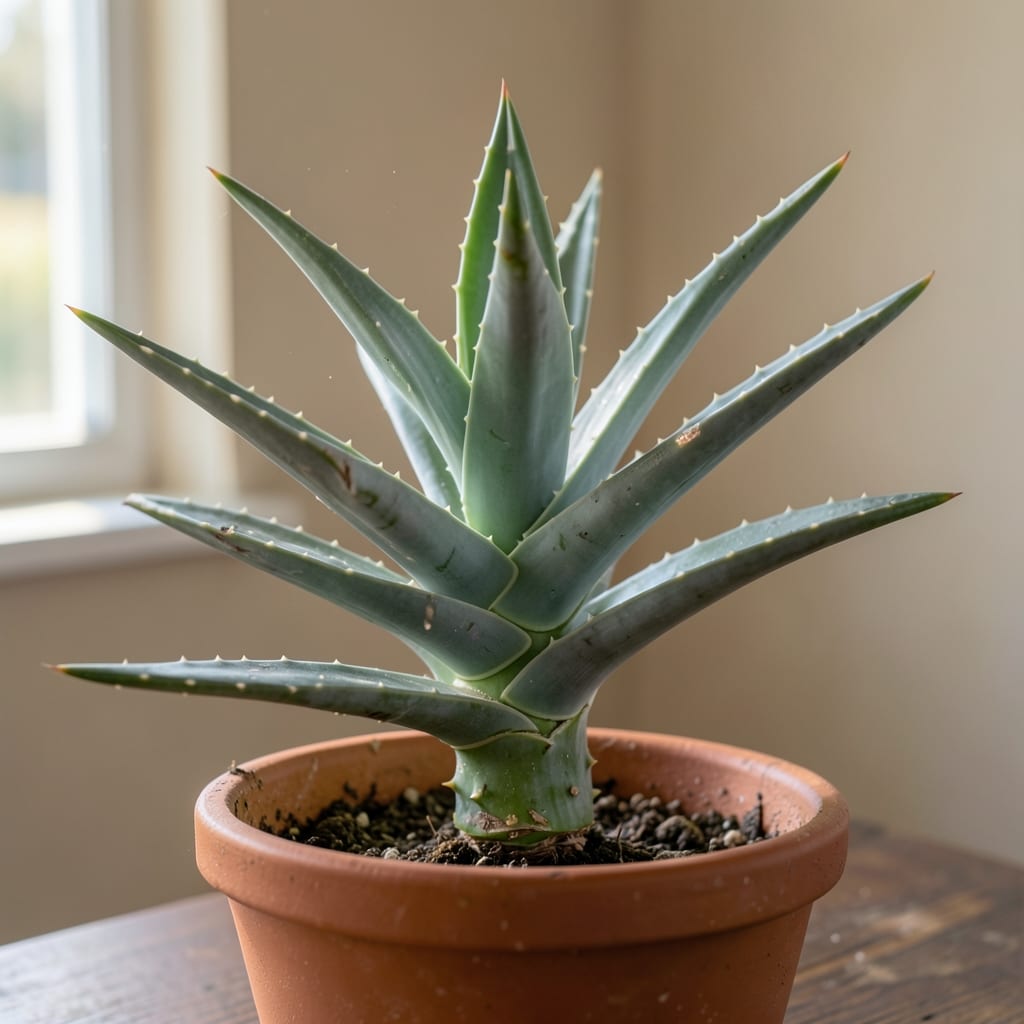
If your aloe plant 🌱 looks sadder than a rainy-day cat, you might be getting its light needs all wrong. Too little sun, and it stretches pitifully toward the window like a sleepy student; too much, and those pretty leaves turn crispy like forgotten toast. The good news? Finding the sweet spot isn’t rocket science—just a few simple adjustments can turn that limp aloe into a thriving powerhouse.
Most aloes crave 6+ hours of bright light daily, whether that’s a sun-drenched windowsill or a spot under grow lights. But here’s the catch: they’re picky about how that light hits them. Direct morning sun is ideal, while harsh afternoon rays can scorch their leaves faster than a summer sidewalk. Let’s break down exactly where to place your aloe—indoors or out—to keep it happy without guessing.
You’ll also discover how to spot the telltale signs of light trouble: yellowing leaves mean it’s begging for more sun, while brown patches scream “too much heat.” Even better, I’ll share pro tips for rotating pots, choosing the right window, and tweaking light for different aloe varieties. No green thumb required—just a little know-how.
Ready to transform your aloe from “meh” to “magnificent”? By the end, you’ll know exactly how to give your plant the perfect glow—no more dead zones, just lush, healthy growth that’ll make your houseplants jealous.


Ideal light requirements for aloe vera: sunlight vs. indirect light explained
Aloe vera thrives in bright, direct sunlight, but finding the perfect balance is key. These succulents need at least 6 hours of sunlight daily to stay healthy and vibrant. Without enough light, they stretch toward the sun (a condition called etiolation) and lose their compact, rosette shape. Too much harsh sunlight, however, can cause sunburn, turning leaves brown or yellow along the edges. Let’s break down how to give your aloe the ideal light conditions, whether indoors or outdoors.
For outdoor aloe plants, a sunny spot with morning sun and afternoon shade works best, especially in hot climates. If you’re growing aloe in USDA zones 8-11, they can handle full sun year-round. In cooler zones (like 6a-7b), move pots indoors before frost or provide seasonal shade during peak summer heat. Aloe vera’s native habitat in Southern Africa means it’s adapted to intense sunlight, but sudden exposure can shock the plant.
Indoors, place your aloe near a south-facing window for the brightest light. East or west windows work too, but you may need to rotate the pot every few weeks to ensure even growth. If your home lacks natural light, grow lights (like full-spectrum LEDs) can supplement, but they should mimic 6-8 hours of sunlight. Avoid north-facing windows—they provide too little light for aloe’s needs.
🌱
| Condition | Ideal Light | Signs of Stress | Solution |
|---|---|---|---|
| Outdoor Growth | 6+ hours direct sun (morning + filtered afternoon) | Brown patches, crispy edges | Use shade cloth (30-50%) in peak sun |
| Indoor Growth | South/east window or grow light (6-8 hrs) | Stretching, pale leaves | Rotate pot weekly, add grow light |
| Low Light | Bright indirect light (minimum 4 hrs) | Leggy growth, weak stems | Move to brighter spot or supplement with light |
| High Heat | Partial shade (afternoon) | Yellowing, wilting | Water deeply, avoid overhead sun |
Seasonal changes affect aloe light needs too. In spring and summer, aloe can handle full sun, but watch for sunburn if temperatures exceed 90°F (32°C). During fall and winter, reduce direct sun exposure to 4-6 hours to prevent stress. If you notice yellow tips or soft leaves, it’s often a sign of overwatering in low light—aloe stores water in its leaves, so less light means less water is needed.
Pro tip: Test your aloe’s light tolerance by moving it gradually. Start with 2-3 hours of morning sun, then increase by 1 hour daily until it reaches its ideal 6+ hours. This acclimation prevents shock and helps the plant adjust to stronger light. If your aloe starts leaning toward the light, it’s begging for more brightness—time to relocate!
For container-grown aloe, ensure the pot has drainage holes to prevent root rot, a common issue when light conditions are off. A terracotta pot helps wick away excess moisture, while a black pot absorbs more heat—choose based on your climate. In urban settings with limited sunlight, reflective surfaces (like white walls or mirrors) can bounce extra light onto your plant.
🪴
Remember, aloe vera is a low-maintenance plant, but light is non-negotiable. If you’re unsure whether your space is too dark, try this trick: Hold a piece of paper near the plant during the day. If you can’t read the print easily, it’s not bright enough. For indoor growers, a south-facing window is your best bet—just avoid drafts from AC vents or heaters, which can stress the plant further.
Finally, observe your aloe daily. Healthy leaves should be thick, upright, and deep green. If they’re thin, pale, or stretching, it’s time to adjust the light. With the right exposure, your aloe will reward you with bold, medicinal leaves and even the occasional stunning orange flower spike—a true sign of a happy, sun-kissed plant!
How to adjust light for different aloe varieties and growth stages
Not all aloe plants have the same light needs—some varieties thrive in bright indirect light, while others crave full sun exposure. For example, the common aloe vera (Aloe barbadensis) loves 6+ hours of direct sunlight, but delicate varieties like Aloe aristata prefer filtered light to avoid sunburn. Understanding these differences ensures your aloe stays healthy at every growth stage, from tiny seedlings to mature, flowering plants.
Young aloe seedlings are especially sensitive to light. They need bright indirect light (like a north-facing window) for their first 6-8 weeks to prevent leaf scorch. Once established, gradually introduce them to morning sun over 2-3 weeks. Mature aloe plants, on the other hand, can handle full sun year-round in warmer climates, but even they benefit from afternoon shade during peak summer heat to avoid stress.
🌱
| Aloe Variety | Light Needs | Growth Stage Tips | Signs of Stress |
|---|---|---|---|
| Aloe Vera (Aloe barbadensis) | 6+ hours direct sun | Acclimate seedlings to sun gradually | Brown tips, crispy edges |
| Aloe Aristata ("Torch Plant") | Bright indirect light | Rotate pot weekly for even growth | Pale, stretched leaves |
| Aloe Brevifolia ("Short-Leaf Aloe") | Full sun to partial shade | Use shade cloth in summer | Yellowing leaves, weak stems |
| Seedlings (<6 months) | Bright indirect light | Keep in east/west window | Leggy, weak growth |
| Mature Plants (2+ years) | 6-8 hours direct sun | Reduce watering in full sun | Sunburn (white patches) |
For rare aloe varieties, like Aloe dichotoma (the "Candle Aloe"), research their native habitats. Many South African species thrive in rocky, sun-drenched slopes, so mimic this with well-draining soil and morning sun exposure. If you notice yellowing leaves in mature plants, it could signal overwatering in low light—aloe stores water, so less light means less water is needed. Conversely, brown patches on leaves often mean too much direct sun, especially in hot afternoons.
Pro tip: Use a light meter (or phone app) to measure light intensity in your space. Aim for 5,000-10,000 lux for optimal aloe growth. If your home lacks natural light, LED grow lights (10,000-20,000 lux) can bridge the gap. Place the light 6-12 inches above the plant and keep it on for 12-14 hours daily to simulate natural daylight cycles.
🪴
Adjusting light for aloe isn’t just about placement—it’s about observation. Watch for leaf color changes: deep green means happy, pale green means too little light, and brown edges mean too much. If your aloe starts flowering (a rare but exciting event!), it’s a sign of ideal light and maturity. The orange flower spike emerges from the center, often after years of proper care. For indoor aloe, group plants together to create a microclimate that retains warmth and humidity, which can improve growth.
Finally, remember that seasonal adjustments are key. In winter, reduce direct sun to 4-6 hours to prevent stress, while in summer, provide afternoon shade if temperatures exceed 90°F (32°C). With these tailored light strategies, your aloe will thrive at every stage—from a tiny seedling to a flourishing, medicinal powerhouse!