
Plants
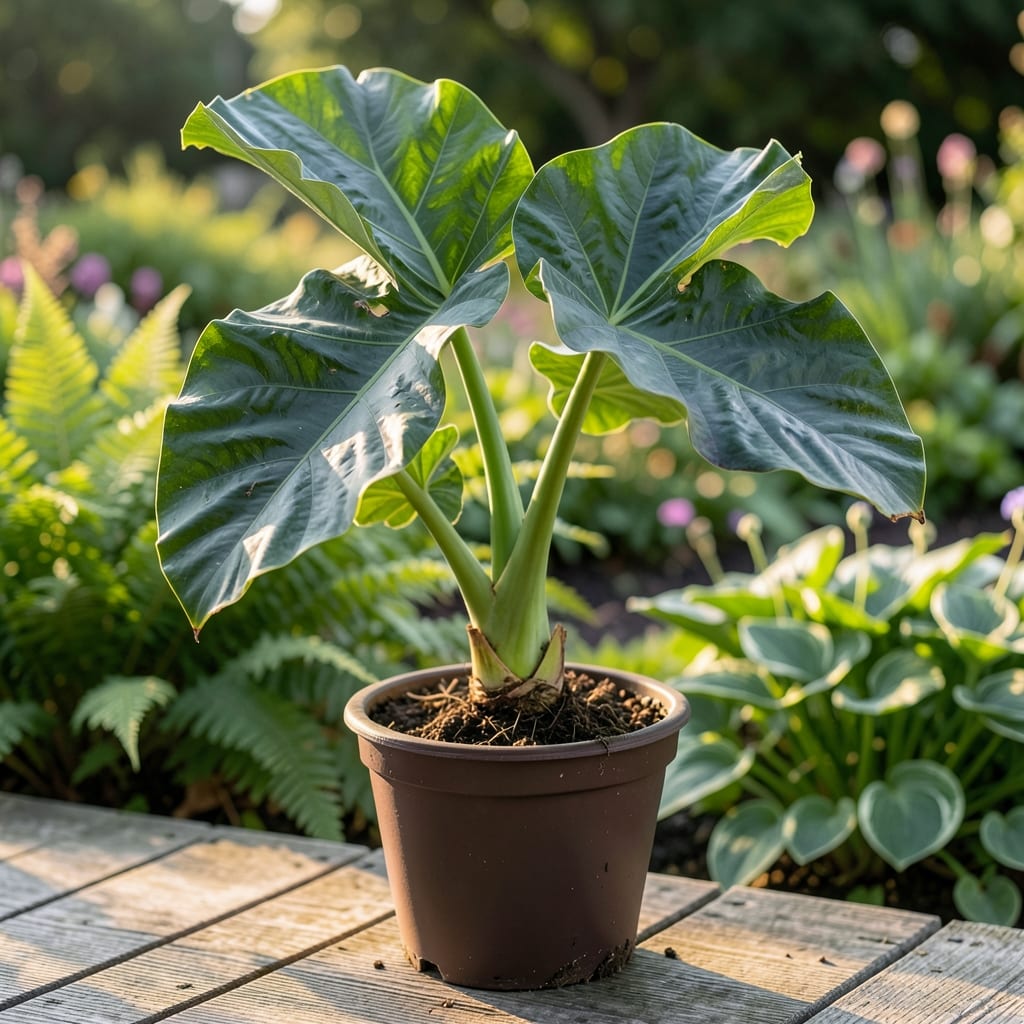
Ideal light requirements for elephant ear plants: morning sun vs. direct midday exposure
Elephant ear plants (Colocasia or Alocasia) thrive in bright, indirect light with 4-6 hours of morning sun daily. This balance prevents leaf burn while ensuring robust growth. The key is avoiding harsh afternoon rays, which can scorch delicate foliage. Think of it like giving your plant a gentle sunrise wake-up call without the intense midday heat.
In outdoor gardens, position your elephant ear near dappled shade spots under trees or on east-facing beds. These locations provide the perfect mix of morning sunlight and afternoon shade. If your garden lacks natural shade, use lightweight shade cloth (30-50% coverage) during peak sun hours to mimic ideal conditions.
For container gardening, place pots on porches or patios where they receive morning light but are shielded from afternoon sun. A west-facing balcony works if you move the plant indoors by midday. Rotate containers occasionally to ensure even light exposure on all sides, preventing lopsided growth.
Indoor growers should aim for east-facing windows or south-facing windows with sheer curtains. Avoid placing your plant near direct southern or western windows, where intense light can cause brown leaf tips or crispy edges. If natural light is limited, supplement with a grow light (12-14 hours daily) to maintain healthy foliage.
Seasonal adjustments are crucial. In summer months, when sunlight is strongest, reduce exposure to 3-4 hours of morning light and increase shade. During spring and fall, when sunlight is gentler, your elephant ear can handle up to 6 hours of filtered light. Winter care is minimal—just ensure the plant gets bright, indirect light to prevent leggy growth.
Here’s how to visualize the perfect light balance for your elephant ear plant:
| Light Condition | Optimal Hours | Best Time | Plant Response |
|---|---|---|---|
| Morning Sun | 4-6 hours | 6 AM - 12 PM | Vibrant growth, healthy foliage |
| Afternoon Sun | 0-2 hours | 12 PM - 4 PM | Risk of leaf burn, brown spots |
| Indirect Light | Full day | Filtered sunlight | Slow but steady growth |
| Deep Shade | 0 hours | N/A | Leggy stems, weak foliage |
If you’re unsure about your plant’s current light conditions, observe its leaves for 3-5 days. Note any changes in color, texture, or growth patterns—these clues will help you fine-tune placement. For example, yellowing leaves often signal too much light, while pale, stretched stems indicate insufficient light.
Pro tip: Use a light meter or phone app to measure light intensity in your garden or home. Aim for 1,000-3,000 foot-candles of light for optimal elephant ear health. This range ensures your plant gets enough energy for photosynthesis without overheating.
Remember, every elephant ear plant is unique. Adjust light exposure gradually—move containers incrementally or thin shade cloth slowly—to avoid shocking the plant. With the right balance, your Colocasia will reward you with bold, glossy leaves and a thriving presence in your garden or home.
Ideal light requirements for elephant ear plants: morning sun vs. direct midday exposure
Elephant ear plants (Colocasia) thrive in bright, indirect light, but they’re sensitive to harsh afternoon sun. The key is providing 4-6 hours of morning sunlight while shielding them from intense midday rays. This balance prevents leaf burn while ensuring strong, healthy foliage growth. Think of it like giving your plant a gentle sunrise glow rather than a scorching midday tan.
In outdoor gardens, place your elephant ears where they’ll receive morning sun and afternoon shade, such as near tall trees or on the east side of your home. If you’re growing them in containers, a shaded patio or balcony with dappled sunlight works perfectly. Avoid placing them in full sun, especially in hot climates, as this can cause brown, crispy edges on their leaves.
🌿 Light Requirements Comparison
| Condition | Morning Sun | Afternoon Sun | Full Shade |
|---|---|---|---|
| Ideal Hours | 4-6 hours | 0-2 hours (filtered) | Not ideal |
| Leaf Health | Vibrant, lush | Tolerates with protection | Weak, pale growth |
| Risk Level | Low | High (burn risk) | High (leggy stems) |
| Best For | Outdoor gardens | Indoor near windows | Avoid entirely |
For indoor setups, position your elephant ear plant near an east-facing window where it can bask in soft morning light. If your home lacks natural light, supplement with a grow light for 6-8 hours daily. Avoid south- or west-facing windows, as these expose the plant to intense afternoon heat, which can cause irreversible damage. Rotate your plant occasionally to ensure even growth and prevent it from leaning toward the light source.
In hotter climates (Zones 8-10), elephant ears may need extra afternoon shade, even if they’re getting morning sun. Use lightweight shade cloth (30-50% coverage) to diffuse harsh rays during peak hours. This simple step can extend your plant’s lifespan and keep its leaves glossy and green rather than crispy and brown. Test the shade cloth’s effectiveness by observing leaf temperature—if it feels warm to the touch, it’s too intense.
Seasonal adjustments are crucial. During spring and fall, when sunlight is gentler, you can gradually increase exposure. However, summer’s intense rays demand caution. If you notice yellowing leaves or wilting, it’s a sign to move your plant to a shadier spot immediately. Remember, elephant ears are tropical plants—they prefer consistent moisture and gentle light, much like their natural habitat under the forest canopy.
Pro tip: Mulch around the base of your elephant ear plant to retain moisture and regulate soil temperature. This helps create a microclimate that mimics their native environment, reducing stress from fluctuating light and heat conditions. With the right light balance, your Colocasia will reward you with bold, arrow-shaped leaves that add drama to any garden or indoor space.