
Companion Plants
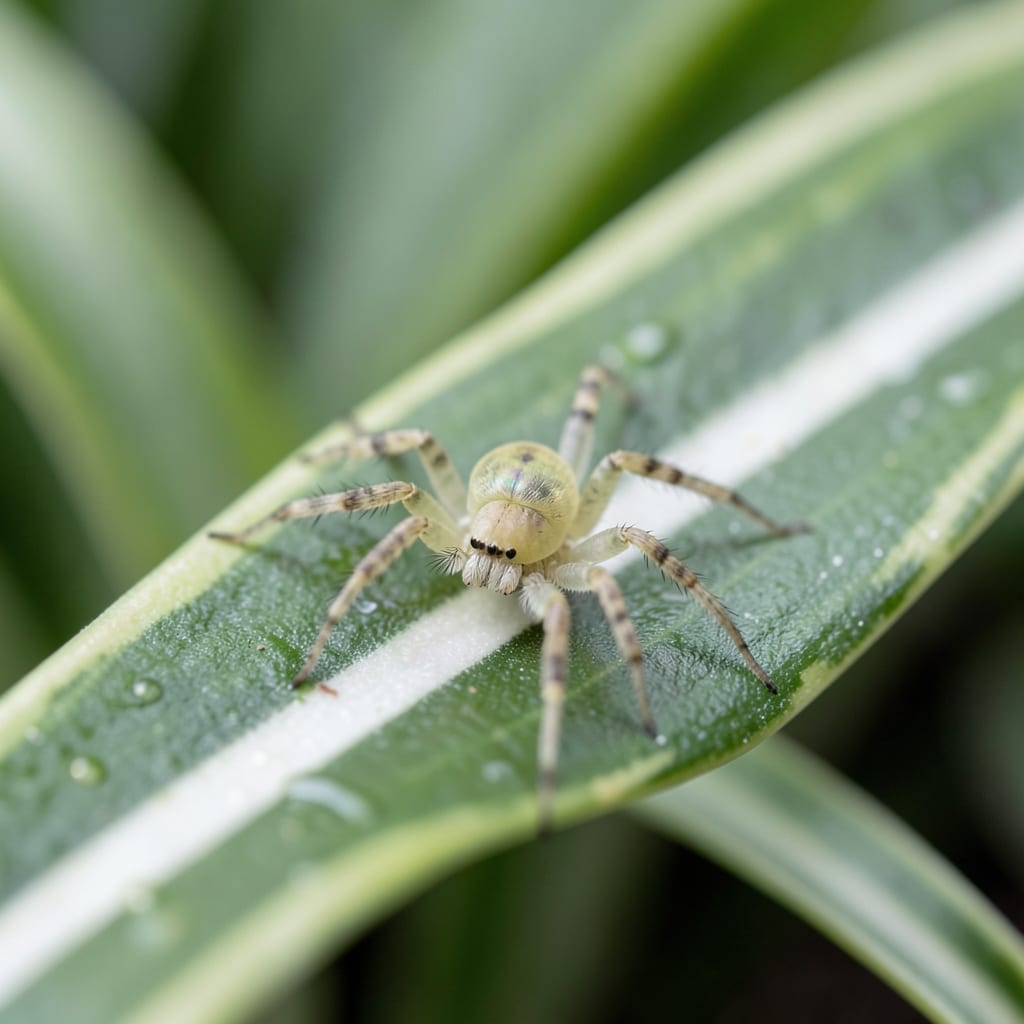
If your Spider Plant 🌿 is looking more sad than stunning, you’re probably guessing about how much light should a spider plant get—and getting it wrong. Too little light and it stretches like a sleepy cat; too much, and those pretty variegated leaves burn like toast.
The secret to lush, vibrant growth isn’t complicated—it’s about finding the sweet spot between dim corners and blazing sun. Most people assume these hardy plants thrive in any light, but the truth is, they’re picky about brightness. I’ll show you exactly where to place yours so those arching leaves stay perky and the stripes stay crisp.
Whether you’re dealing with a north-facing apartment or a south window that feels like a sauna, I’ve got the real deal on light zones. No more guessing whether your spider plant is begging for more sun or just tired from overdoing it. Let’s get those 🌿 babies thriving in no time.
Ready to transform your plant from "meh" to "wow"? Stick around—I’ll walk you through the signs of perfect lighting (and what to do when you’ve messed up). Your spider plant’s revival starts here.

Spider plant light requirements: the 3 brightness zones explained
Your Spider Plant thrives in three distinct light zones, each triggering different growth responses. Most people assume these plants handle anything, but the truth is, they’re sensitive to light intensity. The key is understanding how indirect sunlight affects their leaf color and growth patterns. Let’s break down what each zone looks like in your home.
Start by testing your space’s light conditions using the shadow test. Place a white card near your potential plant spot for a few hours—if the shadow is crisp and dark, it’s direct sun (too harsh). If the shadow is faint or nonexistent, you’ve got bright indirect light, the sweet spot. Dim shadows mean low light, which will stretch your plant unnaturally.
🌱 Spider Plant Light Zones Summary
| Zone | Light Level | Leaf Color | Growth Pattern | Ideal Placement |
|---|---|---|---|---|
| Zone 1 | Low Light | Dull green, no variegation | Long, leggy stems | North-facing rooms, 8+ feet from windows |
| Zone 2 | Medium Indirect | Rich green with striped variegation | Compact, bushy growth | East/west windows, 3-5 feet away |
| Zone 3 | Bright Indirect | Vibrant stripes, deep green | Tight, upright leaves | South windows, filtered light |
Zone 1 (Low Light) is where most spider plants suffer silently. Without enough brightness, they stretch toward any available light, creating those unattractive, elongated stems. The leaves lose their variegated stripes and turn a dull, solid green. If your plant looks like it’s reaching for the ceiling, it’s begging for more light—but not direct sun.
Zone 2 (Medium Indirect Light) is the goldilocks zone for spider plants. Here, they develop their signature striped foliage and grow in a compact, bushy shape. This is where you’ll see the most active propagation of those adorable spiderettes. Place your plant near an east or west-facing window, about 3-5 feet away, and you’ll hit this perfect balance.
Zone 3 (Bright Indirect Light) pushes your spider plant to peak vibrancy. The leaves stay tight and upright, and the variegation becomes more pronounced. However, this zone is a narrow sweet spot—too close to a south-facing window, and you’ll scorch those delicate leaves. Use a sheer curtain to diffuse the light if needed.
Pro tip: Rotate your spider plant quarter-turn weekly to ensure even light exposure. This prevents lopsided growth and keeps those leaves symmetrically stunning. Most people overlook this simple trick, but it makes a huge difference in your plant’s overall health.
Now that you know the zones, let’s talk about what happens when you get it wrong. Next, I’ll show you the telltale signs your spider plant is either starving for light or burning under too much—and how to fix it fast.
Signs your spider plant isn’t getting the right light (and how to fix it)
Your Spider Plant 🌿 might be silently screaming for help—if it’s not getting the right light exposure. The first clue? Stretched-out leaves that look like they’ve been pulled toward a window. This is called etiolation, and it happens when your plant is reaching for light like a sunflower. Don’t panic—this is an easy fix!
Start by moving your plant 3-5 feet closer to an east- or west-facing window. If that’s not an option, a grow light on a timer (12-14 hours/day) can mimic natural brightness. The goal? Bright indirect light—think dappled sunlight on a forest floor, not a spotlight.
Next, watch for yellowing leaves, especially the older ones. This often means too much light or overwatering in bright conditions. Trim the yellowed parts with clean pruning shears and move your plant to a shadier spot, like a north-facing shelf or a few feet back from a south window.
Here’s a quick light-check tip: Hold your hand near your plant’s leaves. If you can’t see your shadow clearly, it’s too dim. If you can read a book comfortably beside it, it’s just right. If you’re squinting (like you’re at the beach), it’s too bright.
Brown tips on leaves? That’s usually a low-humidity issue, but it can also signal too much direct sun. Increase humidity with a pebble tray or misting, and shield your plant from harsh afternoon rays with a sheer curtain. Pro tip: Rotate your pot every few weeks so all sides get even light exposure.
If your spider plant’s growth slows to a crawl, it’s begging for more light. These plants are fast growers when happy—if yours is barely putting out new leaves, it’s underlit. Try a south-facing window with filtered light or supplement with a full-spectrum LED bulb (6,500K color temperature).
Finally, keep an eye out for bleached or white leaves. This is a sunburn warning—your plant’s variegation is fading because it’s getting too much direct sunlight. Move it to a spot where the light is diffused, like behind a lacy curtain or under a sheer blind. Your spider plant will thank you with bold, striped leaves in no time!
⚠️ Light Warning: Don’t Make These Mistakes!
- Placing near a west window without shade → Sunburn risk from intense afternoon sun.
- Ignoring seasonal light changes → Winter light is weaker; move plants closer to windows.
- Using fluorescent bulbs only → Not enough spectrum for healthy growth; opt for LEDs.
- Overcrowding plants → Competing for light leads to weak, leggy growth.
🌱 Fix it fast: Adjust placement every 2-3 months as sunlight shifts.
Remember, Spider Plants 🌿 are forgiving—they’ll bounce back if you catch these signs early. The key is observation: check your plant’s leaves weekly and tweak its spot as needed. Soon, you’ll have a thriving, bushy spider plant that’s the star of your space!