
How To
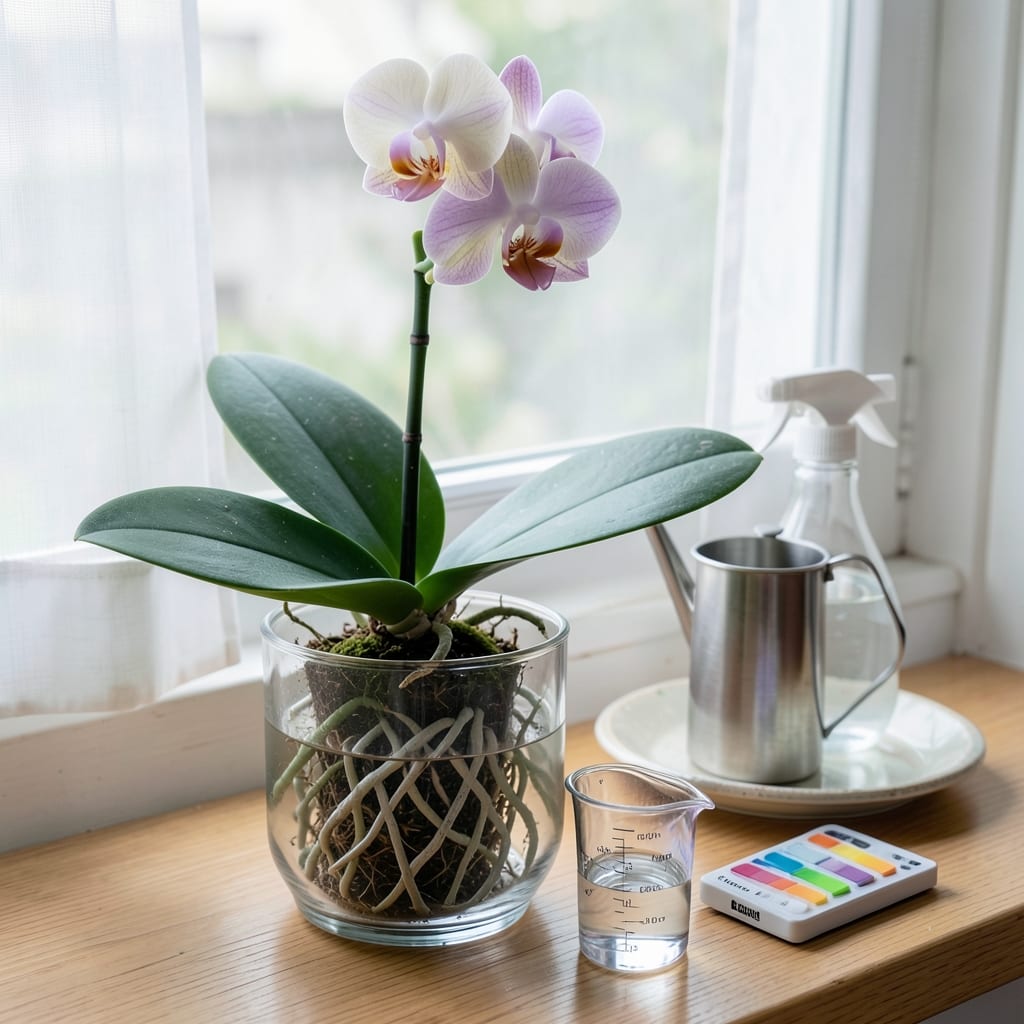
The ideal water-to-vase ratio for orchids by type and season
Orchids in vases are a stunning centerpiece, but their water needs differ dramatically from potted orchids. The water-to-vase ratio depends on your orchid type, vase material, and even the season. Phalaenopsis orchids, the most popular type, need 1 cup (250ml) of water for every 2-3 inches of vase height, while Cattleya orchids prefer slightly less due to their thicker stems. Seasonal shifts also matter—dry winter air demands less frequent water changes, while summer humidity may require more frequent adjustments.
Glass vases hold water longer than ceramic, so adjust your ratios accordingly. For example, a 6-inch glass vase with a Phalaenopsis orchid should start with 1.5 cups (375ml) of water, while the same orchid in a ceramic vase might only need 1 cup (250ml). Always use room-temperature water to avoid shocking the roots, and never let orchids sit in standing water for more than 24 hours, as this leads to root rot.
Here’s the key: orchids absorb water through their thick, velvety roots, not just the stems. If your vase lacks drainage holes, limit water to half the recommended amount and change it every 3-4 days. Overwatering is the #1 killer of vase orchids, so when in doubt, underwater slightly. A quick test? Gently squeeze the orchid’s pseudobulbs—if they’re firm but slightly plump, you’re golden. If they feel squishy or wrinkled, adjust your watering immediately.
🌸 Orchid Water-to-Vase Ratios by Type & Season
| Orchid Type | Vase Material | Water Amount (per 2-3" vase height) | Seasonal Adjustment | Water Change Frequency |
|---|---|---|---|---|
| Phalaenopsis | Glass | 1.5 cups (375ml) | Summer: +25% | Winter: -30% | Every 5-7 days |
| Phalaenopsis | Ceramic | 1 cup (250ml) | Summer: +20% | Winter: -25% | Every 6-8 days |
| Cattleya | Glass | 1 cup (250ml) | Summer: +15% | Winter: -20% | Every 7-10 days |
| Dendrobium | Ceramic (no holes) | 0.5 cup (125ml) | Summer: +10% | Winter: -15% | Every 4-5 days |
*Adjust ratios if your orchid has no visible roots in the vase—reduce by 50%.
Humidity plays a sneaky role in vase orchid care. In low-humidity environments (under 40%), like heated homes, orchids drink 20-30% more water because the air pulls moisture from their roots faster. Place a humidity tray with pebbles and water near your vase to mimic their tropical habitat. Conversely, in high-humidity areas (above 60%), cut your water by 15-20% to prevent fungal growth. A simple hygrometer ($10 at garden centers) solves this guessing game.
One common mistake? Assuming all orchids love the same water conditions. Phalaenopsis orchids, for instance, thrive with slightly acidic water (pH 5.5-6.5), while Cattleya orchids prefer neutral pH (6.5-7.0). If your tap water is hard or alkaline, use distilled or rainwater instead. Pro tip: Add a pinch of orchid-specific fertilizer (like 20-20-20) to the vase water every 4-6 weeks to give your orchid a gentle nutrient boost without overloading it.
Temperature swings also demand adjustments. Orchids in vases placed near drafty windows or AC vents may need 10-15% less water because cold air dries them out faster. Conversely, orchids basking in warmth (75-85°F) can handle 10-20% more water. Monitor your orchid’s leaf
Step-by-step guide: how to fill your orchid vase correctly
Filling an orchid vase isn’t just about pouring water—it’s about creating the perfect environment for your orchid’s roots to thrive. Start by choosing the right vase material: glass holds water longer (ideal for Phalaenopsis), while ceramic breathes better (better for Cattleya). Clean your vase thoroughly with vinegar or hydrogen peroxide to kill bacteria, then rinse with distilled water to avoid mineral buildup. Never reuse old vase water—always start fresh!
Next, measure your water carefully. For a 6-inch glass vase, use 1.5 cups (375ml) of room-temperature water. If your vase lacks drainage holes, reduce this by 30-50% to prevent root rot. Add a preservative tablet (like those for cut flowers) to extend vase life by 3-5 days and keep water clear. Avoid tap water with high chlorine—let it sit out for 24 hours before using.
💧 Step-by-Step: Filling Your Orchid Vase
- 1. Clean vase with vinegar, rinse with distilled water
- 2. Measure water (1 cup per 2-3" vase height for ceramic)
- 3. Add preservative tablet if extending vase life
- 4. Use room-temperature water (never cold or hot)
- 5. Place orchid in vase, ensuring roots touch water
- 6. Change water every 5-7 days (or when cloudy)
*For glass vases, increase water by 20-30% due to slower evaporation.
Position your orchid so its roots touch the waterline—never submerge the stems or leaves. If your orchid has no visible roots in the vase, reduce water by 50% to prevent stem rot. After placing, give your orchid a gentle mist with distilled water to hydrate its leaves without over-saturating the roots. Avoid placing the vase in direct sunlight, which can cause water to overheat and evaporate too quickly.
Watch for cloudy or foul-smelling water—this signals bacterial growth. Dump and refresh the water immediately, then clean the vase again. In low-humidity homes, place a pebble tray filled with water near the vase to maintain 50-60% humidity. For orchids in high-humidity areas, reduce water by 15-20% to avoid fungal issues. A hygrometer ($10) helps monitor humidity levels accurately.
Pro tip: Add a pinch of orchid fertilizer (20-20-20) to the vase water every 4-6 weeks for a nutrient boost. Never fertilize during active blooming, as this can burn delicate roots. If your orchid’s leaves turn yellow, it’s overwatered—let the vase dry out for 2-3 days before refilling. Conversely, wrinkled petals mean it’s thirsty—add water immediately but reduce future amounts.
Finally, rotate your vase quarter-turn daily to ensure even light exposure. Orchids grow toward light, and uneven exposure can cause lopsided growth. With these steps, your orchid will stay vibrant for weeks—not days! 🌸