
Trees
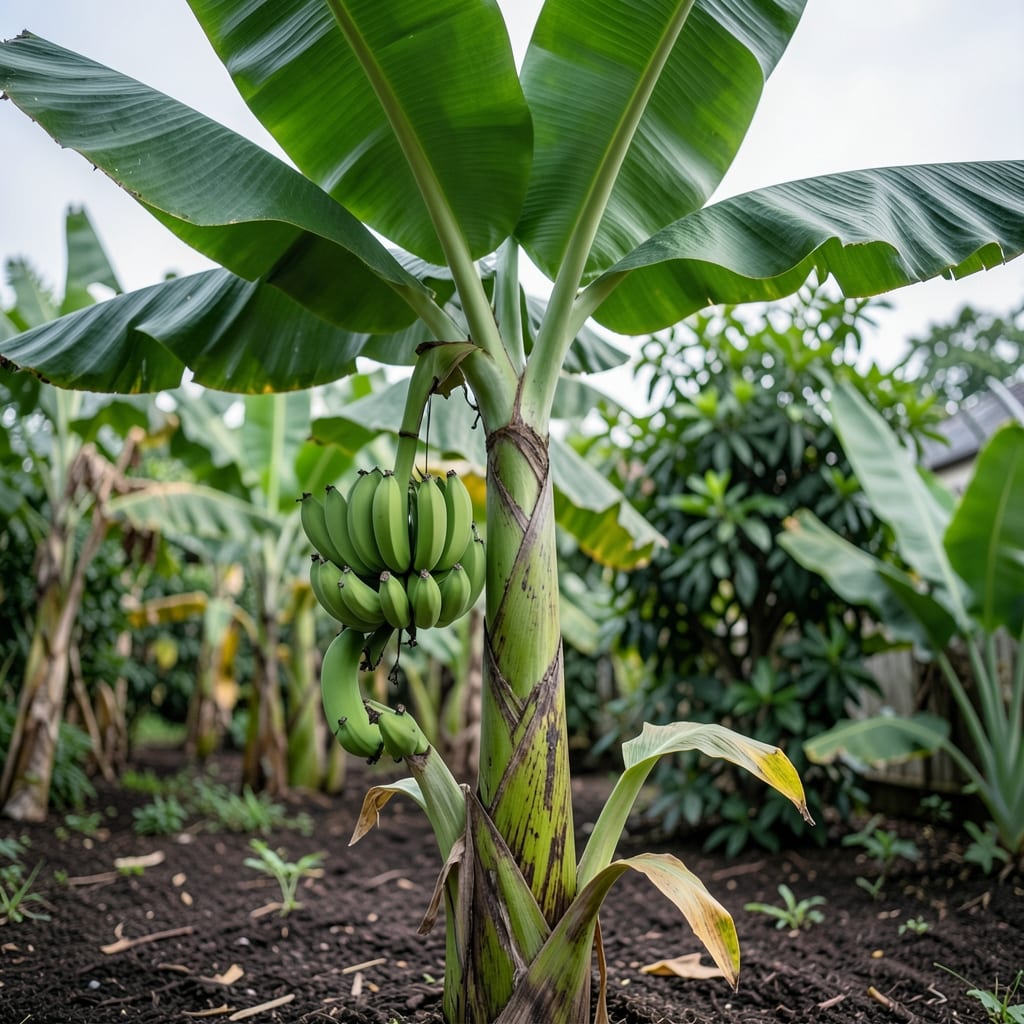
If you’ve ever wondered how tall a banana tree can grow—from a modest 8 feet to an imposing 30 feet—the answer depends on the variety and where you live. Some varieties, like the dwarf Cavendish, stay compact, while others, such as the Red Dacca, stretch skyward like a tropical skyscraper. The key to unlocking their full height potential lies in understanding your climate, soil, and care routine.
Growing a banana tree isn’t just about space—it’s about patience. In warmer zones like 6a, these tropical giants thrive year-round, while colder climates may see stunted growth or seasonal dormancy. Whether you’re dreaming of a backyard harvest or just curious about their towering presence, knowing how to support their vertical growth is game-changer for success.
From choosing the right variety for your yard to avoiding common mistakes that stunt growth, I’ll break down everything you need to know. Whether you’re a first-time gardener or a seasoned plant enthusiast, these insights will help you nurture a healthy, thriving banana tree that reaches its full potential—no matter how tall your dreams (or your fence) are.
Let’s dive into the secrets behind their impressive heights and how you can cultivate a banana tree that’s as rewarding to grow as it is to admire. Ready to grow something extraordinary?

Banana tree heights by variety: from dwarf to giant species
When you imagine a banana tree, you might picture a lush, towering plant reaching for the sky—but not all varieties grow that way. The height of your banana tree depends entirely on its variety, with some staying compact enough for small gardens while others become landscape dominators. For example, the Dwarf Cavendish, a favorite for home growers, typically maxes out at 8–12 feet, making it perfect for patios or urban yards. Meanwhile, the Red Dacca can surge to 20–30 feet, rivaling a two-story house in height.
Choosing the right variety isn’t just about aesthetics—it’s about practicality. A giant variety like the Gros Michel might be stunning, but it requires ample space and sturdy support to prevent stem collapse under its own weight. On the other hand, semi-dwarf varieties like the Lady Finger offer a balance, growing 12–18 feet tall while still producing delicious fruit. Your choice should align with your garden layout, climate, and even your harvest goals.
Here’s the key takeaway: Dwarf varieties are ideal for containers or tight spaces, while standard and giant varieties need room to stretch—and sometimes, a little help to stand upright. Let’s break down the most popular varieties and their height expectations so you can pick the perfect fit for your space.
🌱
| Variety | Mature Height | Growth Habit | Best For |
|---|---|---|---|
| Dwarf Cavendish | 8–12 ft | Compact, bushy | Containers, small yards |
| Lady Finger | 12–18 ft | Semi-upright, sturdy | Medium gardens, patios |
| Red Dacca | 20–30 ft | Tall, slender, heavy | Large properties, tropical climates |
| Gros Michel | 20–30 ft | Very tall, broad leaves | Landscaping, tropical zones |
| Ice Cream Banana | 10–15 ft | Medium, decorative | Ornamental gardens, edible landscapes |
Each variety has its own growth timeline too. For instance, a Dwarf Cavendish might reach its mature height in just 2–3 years, while a Red Dacca could take 4–5 years to fully stretch its legs. This means if you’re impatient for fruit, dwarf varieties are your best bet—they often produce harvestable bananas within 12–18 months of planting. Giant varieties, however, prioritize height and structure over speed, so be prepared for a longer wait.
Another factor to consider is the leaf span. Some varieties, like the Gros Michel, develop leaves that can span 8–10 feet wide, creating a dramatic canopy. This isn’t just for show—it also affects how much sunlight reaches the lower stems and whether you’ll need to prune for airflow to prevent disease. If you’re growing in a smaller space, varieties with narrower leaves (like the Lady Finger) will save you from battling overcrowded foliage.
Don’t forget that height isn’t the only measure of a banana tree’s success. Some varieties, like the Ice Cream Banana, prioritize edible flowers and fruit over sheer height, making them a versatile choice for both ornamental and functional gardens. Whether you’re after tall tropical drama or a practical fruit producer, there’s a banana variety that fits your vision—and your space.
Now that you know which varieties to consider, the next step is understanding how your local climate will influence your banana tree’s growth. Some zones will let your tree reach its full potential, while others might stunt its height—or even kill it if not cared for properly. Let’s explore how growing zones play a role in determining just how tall (or short) your banana tree will grow.
🌿
How growing zones affect banana tree height and survival
Your banana tree’s height isn’t just about genetics—your USDA growing zone plays a starring role. In zones 10–11, these tropical giants flourish year-round, reaching their full 20–30-foot potential. But move north to zones 8–9, and growth slows dramatically, with mature heights often capped at 12–18 feet. Even in zone 7, winter dieback is common unless you take protective steps.
Cold snaps below 30°F (-1°C) can kill unprotected banana trees, stunting their growth permanently. The key is matching your variety to your climate—dwarf varieties like Lady Finger handle cooler zones better than giant types like Red Dacca. Without proper winter care, even hardy varieties may struggle to exceed 10 feet in colder regions.
Here’s how your zone impacts height potential, from stunted growth in zone 6 to sky-high potential in zone 11. Understanding these limits helps you set realistic expectations—and avoid disappointment when your tree stays shorter than expected.
If you’re in zone 6 or 7, focus on dwarf or semi-dwarf varieties like the Dwarf Cavendish or Lady Finger. These stay under 12–18 feet, making them perfect for smaller yards. In zones 8–9, you can push taller varieties like Gros Michel or Red Dacca, but be prepared to protect them from light frosts with mulch or burlap wraps.
For zones 10–11, the sky’s the limit—literally. Giant varieties thrive here, reaching 30 feet or more. Just ensure they have well-draining soil and 6+ hours of sun daily to support their rapid vertical growth. Without these basics, even the hardiest varieties may struggle to reach their full height potential.
Pro tip: In colder zones, plant your banana tree near a south-facing wall to capture extra heat. This simple trick can add 2–4 extra feet to your tree’s mature height by extending its growing season. Pair this with organic mulch in winter, and you’ll maximize growth even in challenging climates.