
How To
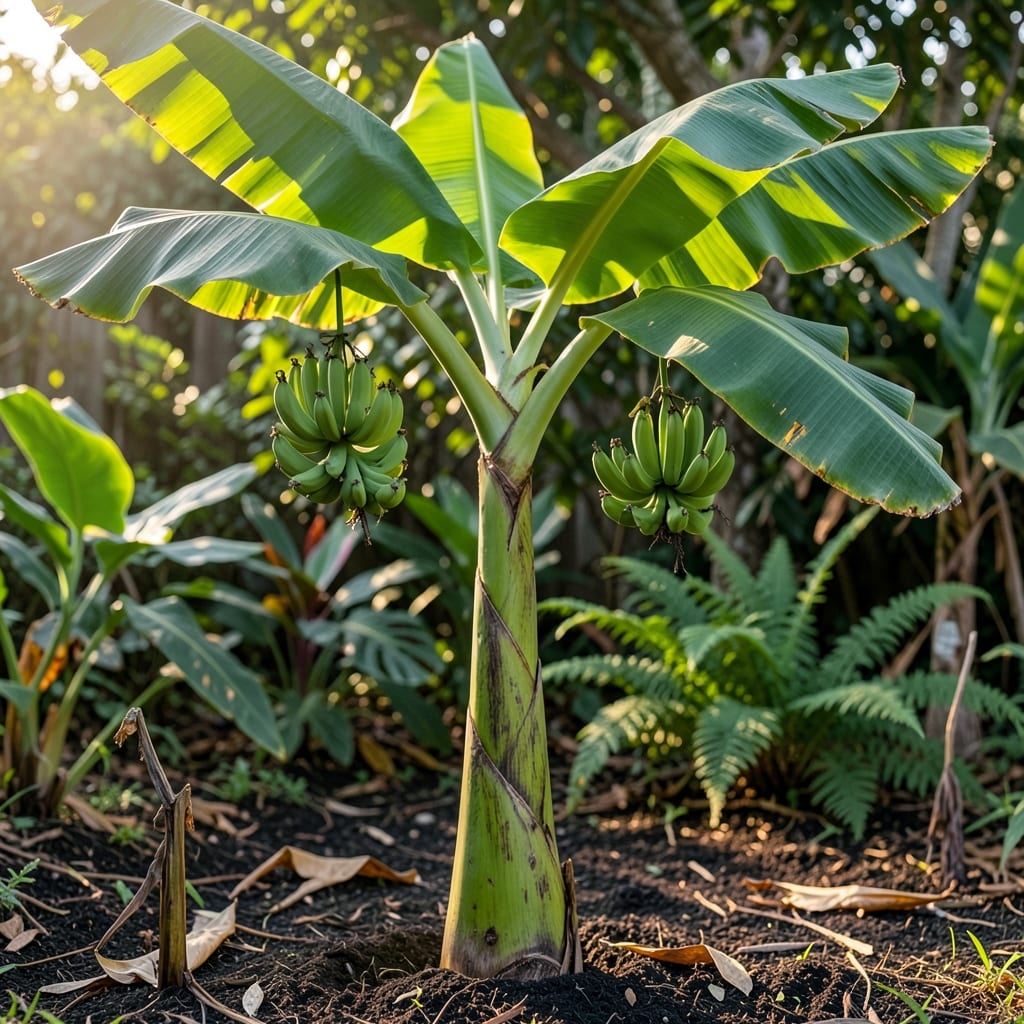
If you’ve ever dreamed of growing your own tropical oasis, you might be surprised to learn that a banana tree can grow up to 25 feet tall—taller than most two-story homes! Whether you're planning a backyard jungle or just curious about these towering plants, understanding their growth potential is key to creating the perfect space for them.
But not all banana trees reach skyscraper heights—some stay compact, while others shoot up like a jungle giant. The variety you choose, along with your climate and care routine, will determine just how tall your 🍌 banana tree becomes. Let’s break down the differences so you can pick the perfect fit for your garden.
From dwarf varieties that stay under 10 feet to commercial giants that tower over 20 feet, each type has its own growth story. Whether you’re working with limited space or aiming for a dramatic focal point, knowing what to expect will help you plan ahead.
Ready to turn your yard into a lush, tropical escape? I’ll walk you through everything you need to know—from selecting the right variety to managing growth in even the coziest of spaces. Let’s get started!


Banana tree height by variety: from dwarf to giant species
When it comes to banana tree height, you’ll find a stunning range—from compact dwarfs that fit cozy patios to towering giants that rival palm trees. The variety you choose isn’t just about aesthetics; it directly impacts your garden’s layout, sunlight needs, and even fruit production. For example, a Dwarf Cavendish stays under 10 feet, while a Musa acuminata can soar past 25 feet in ideal conditions.
Most banana trees belong to the Musa genus, and their height potential depends on genetics, climate, and care. In tropical zones like USDA 10-12, these plants thrive year-round, while cooler climates may see slower growth or seasonal dormancy. Whether you’re dreaming of a backyard jungle or a container-friendly patio plant, picking the right variety is your first step to success.
Here’s the breakdown you’ve been waiting for—a comparison of 10+ popular banana varieties and their mature heights, so you can plan your garden with confidence.
| Variety | Mature Height | Growth Habit | Best For |
|---|---|---|---|
| Dwarf Cavendish | 6–12 ft | Compact, bushy | Containers, small gardens |
| Lady Finger | 12–18 ft | Semi-dwarf, upright | Medium yards, tropical landscapes |
| Red Dacca | 15–20 ft | Tall, dramatic | Statement plants, large gardens |
| Ice Cream Banana | 10–15 ft | Clumping, medium | Edible fruit, ornamental |
| Musa acuminata | 20–30 ft | Tall, fast-growing | Tropical climates, large estates |
| Blue Java | 14–20 ft | Upright, sturdy | Heat-tolerant zones, large containers |
| Manzano | 10–15 ft | Clumping, medium | Edible fruit, small farms |
| Cardaba | 18–25 ft | Tall, robust | Tropical landscapes, large spaces |
| Silk Banana | 12–18 ft | Clumping, ornamental | Decorative foliage, small gardens |
| Horn Plant (Musa velutina) | 10–15 ft | Clumping, hardy | Cold-hardy zones, ornamental |
If you’re working with limited
Banana tree height by variety: from dwarf to giant species
Choosing the right banana tree variety is the first step in determining how tall your tropical giant will grow. Some varieties stay compact enough for patios, while others will dominate your landscape like a jungle skyscraper. The Dwarf Cavendish, for example, typically reaches just 6–12 feet, making it perfect for small gardens or containers, while the Musa acuminata can soar to 20–30 feet—taller than most two-story homes!
Your climate plays a huge role too. In USDA Zones 10–12, banana trees thrive year-round, reaching their full height potential. But in cooler regions, even dwarf varieties may struggle to grow beyond 8–10 feet without winter protection. Let’s explore the most popular varieties and their height ranges so you can pick the perfect fit for your space.
🌱 Did You Know? The world’s tallest banana tree on record—a Musa ingens—reached an astonishing 75 feet in the wild, but most cultivated varieties max out at 25 feet. Even so, that’s still enough to shade your entire backyard!
| Variety | Mature Height | Growth Habit | Best For |
|---|---|---|---|
| Dwarf Cavendish | 6–12 ft | Compact, bushy | Containers, small yards |
| Lady Finger | 12–18 ft | Semi-dwarf, upright | Backyard borders, tropical accents |
| Red Dacca | 15–20 ft | Tall, slender | Dramatic focal points |
| Musa acuminata | 20–30 ft | Massive, fast-growing | Large estates, tropical landscapes |
| Ice Cream Banana | 10–15 ft | Medium, bushy | Edible fruit, small orchards |
| Blue Java | 18–25 ft | Tall, sturdy | Humid climates, large gardens |
The Dwarf Cavendish is my go-to for small spaces—it’s hardy, productive, and stays manageable even in pots. But if you’re dreaming of a jungle-like statement piece, the Red Dacca or Blue Java will deliver that dramatic height with striking red or blue-tinged fruit. Just be prepared for some serious pruning to keep them from shading out your entire yard!
For cooler climates, consider the Ice Cream Banana, which not only grows to a manageable 10–15 feet but also produces sweet, creamy fruit perfect for snacking. Its smaller size makes it ideal for gardeners in USDA Zone 9 or cooler, where frost can damage taller varieties.
Pro tip: If you’re growing banana trees in containers, even dwarf varieties may max out at 8–10 feet due to root restrictions. But with the right care—like regular pruning and balanced fertilizer—you can encourage healthier, bushier growth that stays within your desired height limits.