
Size
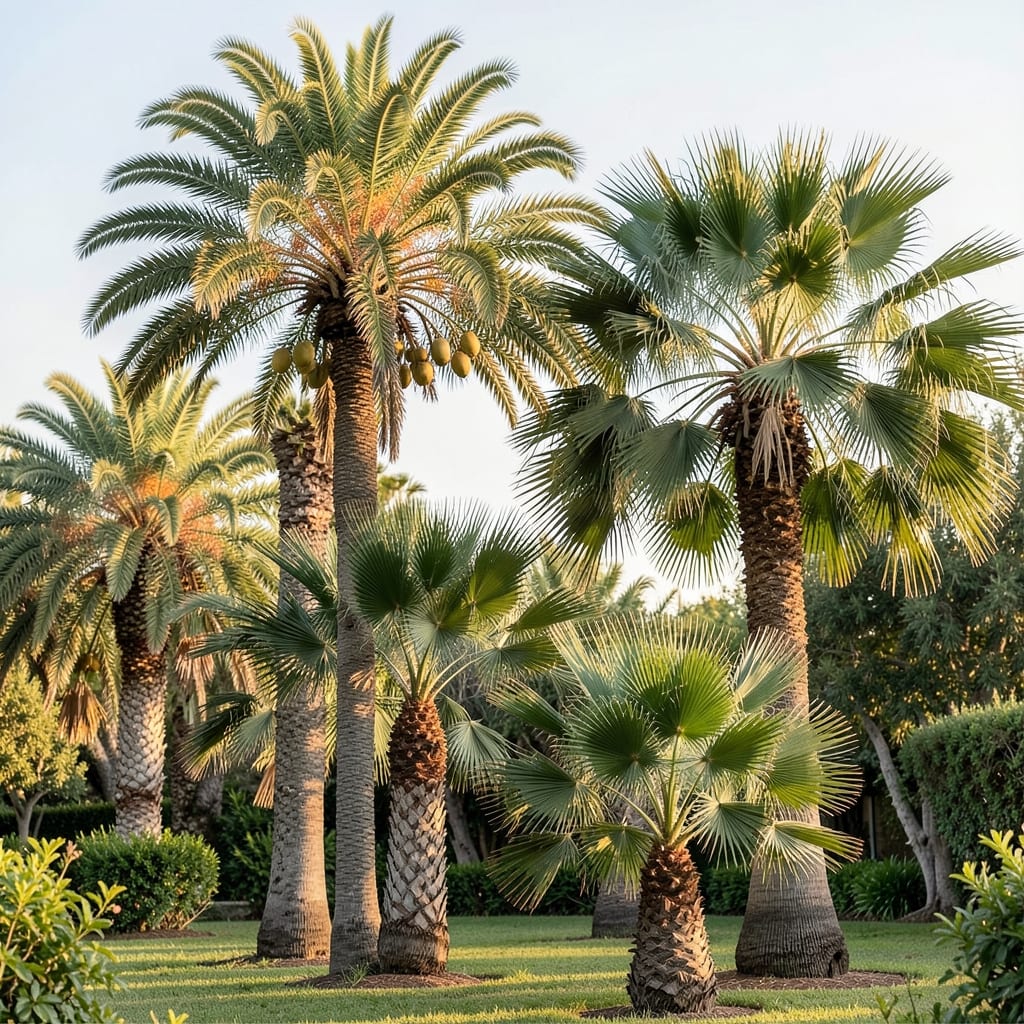
Ever stared up at a towering palm tree and wondered just how tall these tropical giants can grow? The answer might surprise you—some species reach heights that dwarf even the tallest buildings, while others stay perfectly manageable for home gardens. Whether you're dreaming of a lush coastal retreat or just curious about nature's skyscrapers, understanding a palm tree's growth potential is the first step to cultivating your own piece of paradise.
Palm trees aren't just one-size-fits-all—some varieties shoot up at 5 feet per year under ideal conditions, while others grow at a more leisurely pace. The fastest-growing species can top out at 100 feet or more, but their height depends on more than just genetics. Climate, soil quality, and proper care all play starring roles in determining whether your 🌴 will stretch toward the sky or stay grounded in your backyard.
If you're in USDA Zone 6a or warmer, you're in luck—many palm varieties thrive in your region when planted during spring's ideal window (April-May). But before you start measuring your ceiling, there are practical considerations: space constraints, local regulations, and even your own patience. We'll break down the fastest-growing palms, their mature heights, and how to give them the best shot at reaching their full potential—without turning your garden into a jungle.
Ready to discover which palms will make your landscape feel like a tropical escape? Let's explore the skyward limits of these fascinating trees and how you can nurture them to their greatest heights—whether that means a 10-foot accent plant or a 100-foot statement piece.


Fastest-growing palm tree species and their maximum heights
Palm trees aren’t just tropical eye candy—they’re growth powerhouses capable of shooting up at 5 feet per year under perfect conditions. Some species reach 100-foot skyscraper heights, while others stay perfectly sized for suburban yards. If you're wondering "how tall can palm trees grow?", the answer depends entirely on the species and your growing conditions.
The Cocos nucifera (coconut palm) holds the record for fastest vertical growth, with some specimens reaching 100+ feet in ideal tropical climates. Meanwhile, the Roystonea regia (royal palm) and Euterpe oleracea (acai palm) also climb toward the sky—but at different rates. Let’s break down the fastest-growing palms and their mature heights so you can pick the perfect species for your space.
🌴
| Palm Species | Mature Height | Growth Rate | Ideal Climate |
|---|---|---|---|
| Cocos nucifera (Coconut Palm) | 80–100 ft | 3–5 ft/year | Tropical (Zones 10–11) |
| Roystonea regia (Royal Palm) | 60–80 ft | 2–4 ft/year | Subtropical (Zones 9–11) |
| Euterpe oleracea (Acai Palm) | 50–70 ft | 1–3 ft/year | Tropical Rainforest |
| Washingtonia filifera (California Fan Palm) | 40–60 ft | 1–2 ft/year | Arid (Zones 8–11) |
| Phoenix dactylifera (Date Palm) | 70–100 ft | 2–3 ft/year | Desert (Zones 8–11) |
The Cocos nucifera isn’t just the tallest—it’s also the fastest-growing palm in tropical regions. In USDA Zone 10 or warmer, these palms can add 5 feet to their height annually if given full sun and rich, sandy soil. However, their growth slows dramatically in cooler climates, making them less ideal for Zone 6a gardens unless you’re willing to grow them in containers and bring them indoors during winter.
If you’re in a subtropical climate like Florida or Southern California, the Roystonea regia is a stunning choice—it matures at 60–80 feet but grows more slowly, giving you time to enjoy its arching fronds and elegant trunk. For smaller spaces, consider the Washingtonia filifera, which tops out at 40–60 feet and thrives in drought-prone areas like Arizona or Nevada.
🌱
One common misconception is that all palm trees grow at the same rate. In reality, genetics play a huge role—some species like the Chamaedorea elegans (parlor palm) grow just 3–6 feet tall and are perfect for indoor pots. Meanwhile, the Cocos nucifera and Phoenix dactylifera are the growth champions, capable of reaching 100 feet in ideal conditions. The key to maximizing height? Plant in spring (April–May), give them well-draining soil, and ensure they
What determines a palm tree’s height: climate, soil, and care
Your palm tree’s height potential isn’t just written in its genes—it’s shaped by a perfect storm of climate conditions, soil quality, and the care you provide. In USDA Zone 6a, where frost-free days average 165 days, palms can thrive if given the right conditions. The sunlight exposure alone can make or break a palm’s growth rate, with 6+ hours of direct sun being non-negotiable for most varieties.
Let’s start with climate, the most influential factor. Tropical palms like the coconut palm (Cocos nucifera) need consistent warmth and high humidity to reach their 100-foot potential. In temperate zones, species like the windmill palm (Trachycarpus fortunei) adapt better, growing at a steadier 3-5 feet per year instead of explosive tropical growth. Even a single cold snap can stunt growth for years.
Now, let’s talk soil—or rather, the lack of it. Palm trees hate soggy roots. Well-draining soil with a slightly acidic pH (5.5-6.5) is ideal. Amend heavy clay with organic matter like compost or pine bark to improve aeration. I’ve seen palms in poor soil grow at half their potential, while those in rich, sandy loam shoot up like rockets. Don’t skip this step!
Watering is where many gardeners go wrong. While palms are drought-tolerant, they need deep, infrequent watering—think 2-5 gallons weekly in summer, tapering to monthly in winter. I’ve watched palms wilt dramatically from underwatering, only to recover fully after proper hydration. The key? Water in the morning to let foliage dry before nightfall, preventing fungal diseases.
Finally, let’s discuss pruning, the often-overlooked growth hack. Removing dead or yellowing fronds isn’t just about looks—it redirects energy to new growth, helping your palm reach its full height potential. I prune my Mexican fan palm (Washingtonia robusta) annually, and it’s made a noticeable difference in its 5-foot annual growth spurt.
With the right climate, soil, and care, even a small backyard can nurture a palm that feels like a tropical giant. Start with the basics—sunlight, drainage, and consistent watering—and watch your palm stretch toward the sky. 🌴