
Trees
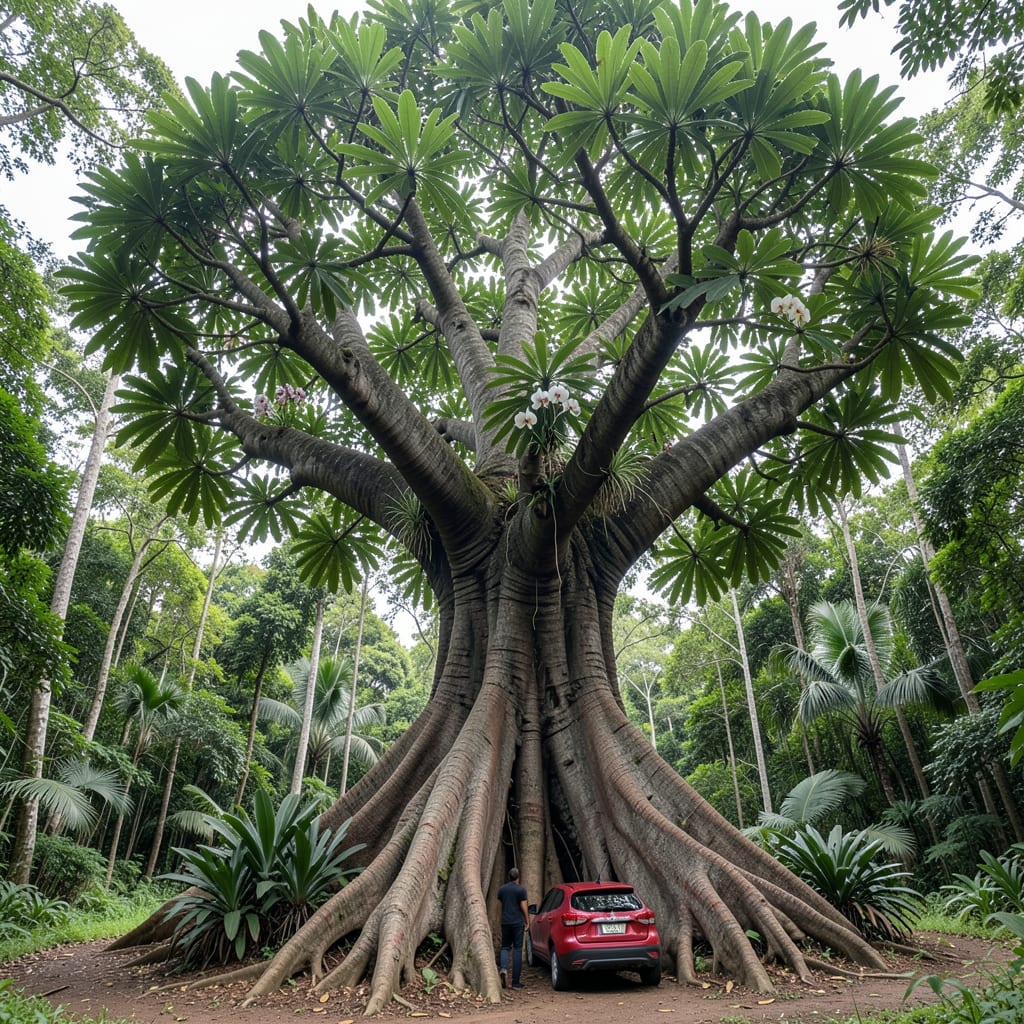
If you’ve ever gazed up at the emerald canopy of a tropical rainforest and wondered just how tall those towering 🌳 rainforest trees can grow, the answer might surprise you. Some species stretch higher than a 33-story building, defying gravity with their massive trunks and sprawling branches.
These giants aren’t just impressive—they’re essential to the health of their ecosystems, filtering air, providing habitats, and even influencing local climates. But what makes them grow so tall? And could you ever cultivate one in your own backyard? The truth is more fascinating than you’d expect.
From the kapok trees of the Amazon to the towering meranti of Southeast Asia, we’ll break down the record-breaking heights of rainforest species and the conditions that help them reach such staggering proportions. Whether you’re a gardener dreaming of a jungle-like oasis or simply curious about nature’s skyscrapers, this guide has the answers.
You’ll also discover how to mimic rainforest conditions in your own space—even if you’re not in zones 10-12. Spoiler: it’s easier (and more rewarding) than you think.


World record rainforest trees: species that defy gravity with their height
When you think of the tallest trees on Earth, rainforest giants immediately come to mind. These botanical skyscrapers don’t just reach for the sky—they reshape entire ecosystems with their towering presence. The kapok tree (Ceiba pentandra) holds the record as one of the tallest rainforest species, with individuals stretching up to 230 feet in the Amazon basin.
But kapok isn’t alone. The emerald meranti (Shorea faguetiana) of Southeast Asia rivals it, with some specimens exceeding 260 feet. These trees aren’t just tall—they’re architectural marvels, with trunks so massive they can support 100+ species of epiphytes, vines, and birds in their canopy crowns.
What makes these trees grow so tall? It’s a combination of genetic adaptations, like rapid early growth and efficient water transport systems, plus ideal conditions: year-round warmth, high humidity, and nutrient-rich soils. Even their roots play a role—buttress roots provide stability while allowing the tree to dominate the understory.
| Species | Max Height | Location | Key Adaptations |
|---|---|---|---|
| Kapok Tree | 230 ft | Amazon Basin | Buttress roots, lightweight wood |
| Emerald Meranti | 260 ft | Southeast Asia | Fast growth rate, shallow roots |
| African Mahogany | 200 ft | Congo Basin | Dense canopy, drought-resistant |
| Giant Sequoia (Rainforest Relative) | 330 ft | California (Not tropical, but comparable) | Fire-resistant bark, deep roots |
The African mahogany (Khaya spp.) is another contender, with some Congo Basin specimens reaching 200 feet. These trees thrive in lowland rainforests, where competition for sunlight is fierce. Their broad canopies create microclimates, supporting orchids, ferns, and even small mammals in their branches.
But here’s the kicker: these heights are only possible in their native habitats. Outside of zones 10-12, even the hardiest rainforest trees struggle to reach their full potential. That said, some species—like the Paulownia—can grow 50+ feet in temperate climates with the right care. It’s all about recreating their ideal conditions.
For gardeners dreaming of a jungle-like backyard, focus on fast-growing species like the monkey puzzle tree (Araucaria araucana), which can reach 60 feet in 50 years. Pair it with humidity-loving plants like ferns and bromeliads to mimic the rainforest’s layered ecosystem.
Even if you can’t grow a 200-foot giant, understanding these trees’ growth habits can inspire smarter gardening. Their success hinges on three key factors: nutrient-rich soil, consistent moisture, and protection from wind. Replicate those, and you’ll give your trees the best shot at reaching their genetic height potential.
Next, we’ll explore how climate zones shape these giants’ growth—and why some rainforests produce trees twice as tall as others. The answer might surprise you.
Climate zones that shape rainforest tree growth: why some regions produce giants
Rainforest trees don’t grow equally tall across the globe—climate zones play a critical role in determining their height. In the Amazon Basin, for example, kapok trees (Ceiba pentandra) can reach 200+ feet thanks to year-round warmth and 120+ inches of rainfall. Meanwhile, in Southeast Asia’s Borneo and Sumatra, meranti trees (Shorea spp.) dominate with heights up to 250 feet due to dense, nutrient-rich soils and high humidity.
The key difference lies in sunlight penetration and competition for space. In open-canopy regions like the Amazon, trees grow taller to compete for sunlight, while in denser forests like the Congo, shorter but wider crowns prevail. Even elevation matters—trees in highland rainforests (e.g., Andes foothills) rarely exceed 150 feet due to cooler temperatures and thinner air.
🌧️ Humidity is non-negotiable—trees in drier tropical zones (like Madagascar’s eastern forests) max out at 100 feet without sufficient moisture. The wet season is their growth engine, fueling rapid expansion when rivers swell and nutrient runoff peaks.
| Region | Avg. Annual Rainfall | Max Tree Height | Key Growth Factor |
|---|---|---|---|
| Amazon Basin | 120–160 inches | 200–230 ft | Year-round warmth + deep soils |
| Southeast Asia (Borneo/Sumatra) | 100–140 inches | 250–330 ft | Nutrient-rich volcanic soil |
| Congo Basin | 80–100 inches | 150–180 ft | Dense canopy competition |
| Madagascar (Eastern Forests) | 50–80 inches | 80–100 ft | Limited rainfall |
Soil composition is another game-changer. In Southeast Asia, volcanic soils provide essential minerals like potassium and phosphorus, which accelerate growth. Meanwhile, Amazonian trees rely on floodplain deposits during wet seasons to replenish nutrients. Even root adaptations vary—kapok trees develop buttress roots to stabilize their towering trunks, while meranti trees spread wide, shallow roots to capture moisture quickly.
🌡️ Temperature also sets limits—trees in highland rainforests (e.g., Costa Rica’s Monteverde Cloud Forest) rarely exceed 120 feet due to cooler nights. The 18–24°C (64–75°F) sweet spot is ideal for rapid growth, but extremes stifle expansion. Even a 5°C drop can slow height gains by 30%.
For gardeners outside tropical zones, replicating these conditions is tricky—but not impossible. Greenhouses with humidity trays and drip irrigation can mimic wet-season moisture, while fast-growing species like Paulownia (which can add 10 feet per year) offer a taste of rainforest giants without the wait. The key? Consistency—just like in the wild.