
How To
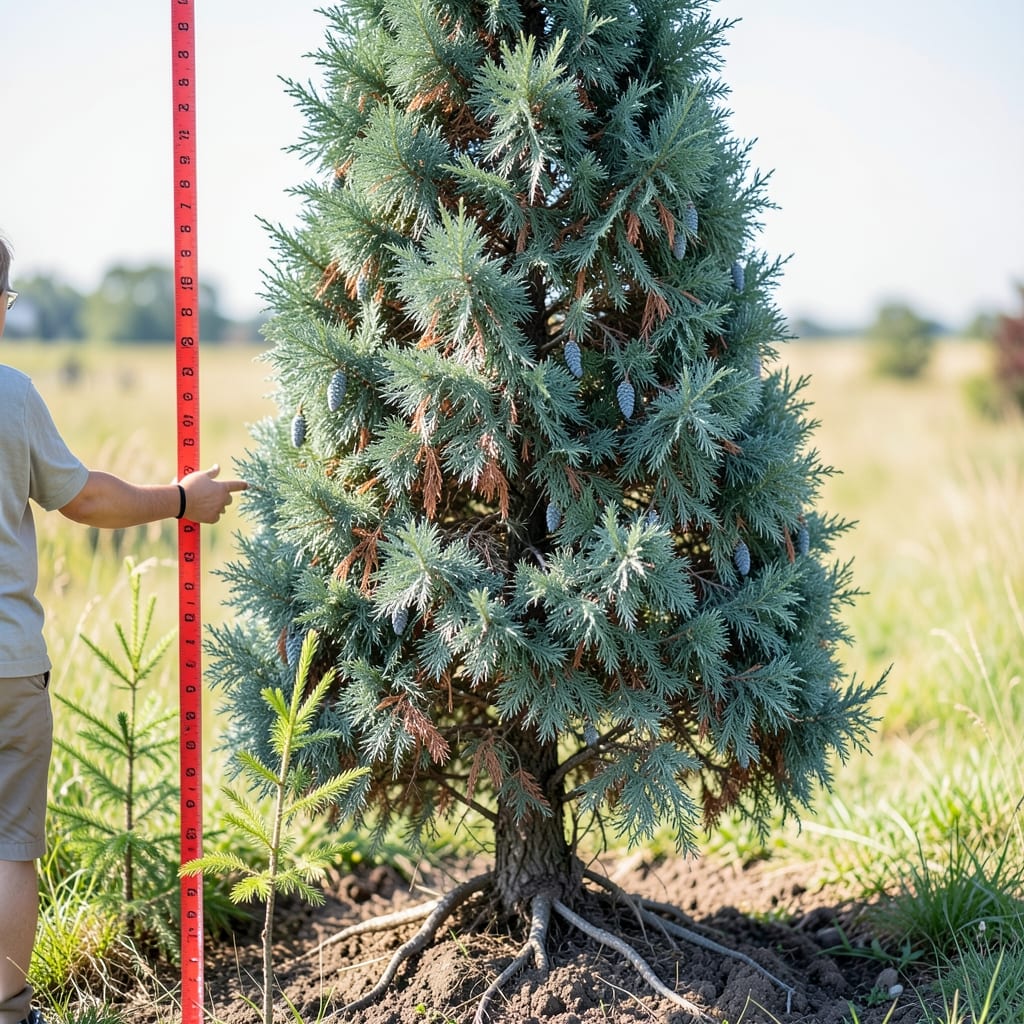
If you’ve ever wondered how tall can a cedar tree grow, the answer might surprise you—some varieties stretch toward the sky like natural skyscrapers, while others stay humble enough for cozy backyards. The 🌲 Cedar Tree isn’t just a pretty addition to your landscape; it’s a long-term commitment that can shape your outdoor space for decades.
But here’s the catch: not all cedars reach for the clouds. Some stay compact, perfect for small gardens, while others tower over 40 feet, casting shade like a living canopy. Whether you’re dreaming of a grand statement tree or a manageable evergreen, knowing the species and growing conditions is the key to getting the height you want.
In this guide, I’ll break down the height ranges by species—from dwarf varieties that fit snugly in flower beds to giants that need room to breathe. You’ll also discover how sunlight, soil, and pruning can steer your cedar’s growth, so you can learn how to shape its future before you plant.
Ready to pick the perfect cedar for your space? Let’s dive into the details so you can make an informed choice that’ll pay off for years to come.


Cedar tree height by species: from dwarf varieties to towering giants
When planning your landscape, knowing how tall cedar trees grow is essential for creating the perfect balance between beauty and space. Cedar trees belong to the Cupressaceae family, and their heights vary dramatically depending on the species. Some can grow as small as 8 feet, while others reach 100 feet or more under ideal conditions—yes, you read that right!
If you're envisioning a cedar tree as a towering sentinel in your yard, you’ll want to focus on species like the deodar cedar or Atlantic white cedar. These giants can soar to heights of 40 to 100 feet, providing shade and privacy for decades. On the other hand, if you’re working with limited space, dwarf varieties like ‘Blue Swamp’ or ‘Emerald Green’ can stay under 10 feet while still offering lush greenery.
🌲 Did You Know? The tallest cedar tree ever recorded is a deodar cedar in India, standing at a staggering 160 feet tall! While most won’t reach that height, understanding species-specific growth patterns helps you choose the right tree for your space.
Below, I’ve broken down the most popular cedar species, their mature heights, and the conditions that help them thrive. Whether you’re planting for privacy, shade, or simply the beauty of their foliage, this guide will help you make an informed decision.
🌿 Pro Tip: Always check your local climate zone (USDA Hardiness Zone) before planting, as some cedars thrive in cooler regions while others prefer warmth.
If you’re considering a cedar tree for your landscape, the eastern red cedar is a fantastic choice for smaller yards, while the Atlantic white cedar or western red cedar will make a bold statement in larger properties. For those with limited space, dwarf varieties like ‘Emerald Green’ or ‘Blue Swamp’ are perfect for containers or small gardens.
One key factor to consider is how soil quality and sunlight exposure affect height. Cedar trees generally thrive in well-draining soil with full sun to partial shade. Poor soil or shade can stunt growth, so always prepare the planting site accordingly. For example, a deodar cedar planted in rich, loamy soil with full sun can grow 3–5 feet per year, while one in rocky or shaded soil may grow much slower.
🌳 Fun Fact: Some cedar trees, like the western red cedar, can live for 500–1,000 years! Their longevity makes them a fantastic investment for long-term landscaping.
Now that you know the height ranges for different cedar species, the next step is understanding how to optimize their growth. In the following section, I’ll cover the factors that skyrocket (or stunt) cedar tree height, including soil, sunlight, watering, and pruning techniques to help your tree reach its full potential.
Factors that skyrocket (or stunt) cedar tree growth height
Now that you know which cedar species can reach sky-high heights, let’s talk about what makes them grow—or hold them back. The height of a cedar tree depends on a mix of natural conditions and the care you provide. From soil quality to sunlight exposure, each factor plays a crucial role in determining whether your cedar will stretch toward the clouds or stay compact.
One of the biggest influences on cedar tree height is sunlight exposure. Most cedar species thrive in full sun (6+ hours daily), which fuels rapid growth. For example, an Atlantic white cedar in full sun can grow 2–3 feet per year, while one in partial shade may only grow 1 foot annually. If your yard is shaded by other trees or buildings, consider a slower-growing species like ‘Emerald Green’ arborvitae to avoid disappointment.
🌞 Key Insight: Cedar trees planted in urban environments with limited sunlight often grow 30–50% slower than those in rural areas with open skies. If you’re in a city, choose a dwarf variety or supplement with grow lights during the early years.
- 🌱 Soil Quality: Cedar trees prefer well-draining, slightly acidic soil (pH 5.0–7.0). Compacted or waterlogged soil can stunt root growth, limiting height potential. Amend clay soil with compost or sand to improve drainage.
- ☀️ Sunlight: 6+ hours of direct sunlight maximizes growth. Partial shade slows growth by 20–40%. Use a sunlight meter to check your yard’s exposure before planting.
- 💧 Watering: Overwatering or underwatering both harm cedars. Deep watering (10–15 gallons weekly) in the first year encourages strong root systems. Mature trees need water only during droughts—they’re drought-tolerant once established.
- ✂️ Pruning: Pruning for shape (not height) is key. Cutting the top branches can reduce height by up to 50% if done aggressively. For height control, prune in early spring before new growth begins.
- 🌡️ Climate: Cedar trees grow fastest in USDA Zones 5–9. Extreme heat or cold can stress trees, slowing growth. Deodar cedars in Zone 6 may grow 5 feet per year, while the same tree in Zone 3 might grow only 1–2 feet.
Another critical factor is watering habits. Cedar trees are drought-tolerant once established, but young trees need consistent moisture to develop strong roots. Overwatering, however, can lead to root rot, which stunts growth entirely. Aim for deep, infrequent watering—think 10–15 gallons per tree weekly in the first year, then taper off as the tree matures.
Pruning is often misunderstood when it comes to height control. Many gardeners assume cutting the top branches will stunt the tree’s growth, but the truth is more nuanced. Pruning for shape (rather than height) is the way to go. If you want to reduce height, focus on removing the uppermost branches in early spring. Just be warned: aggressive pruning can shock the tree and slow growth temporarily.
Finally, don’t underestimate the power of climate and microclimates. Cedar trees in coastal areas often grow taller due to high humidity and mild temperatures, while those in arid regions may grow slower but develop thicker trunks. If you’re in a hot, dry climate, mulch around the base of your cedar to retain moisture and protect roots from temperature swings.
🌿 Actionable Tip: To maximize height, plant your cedar in well-draining soil, give it full sun, and avoid overwatering. For slower growth (ideal for small spaces), provide partial shade and prune regularly. With the right conditions, even a dwarf cedar can surprise you with unexpected height!