
Trees
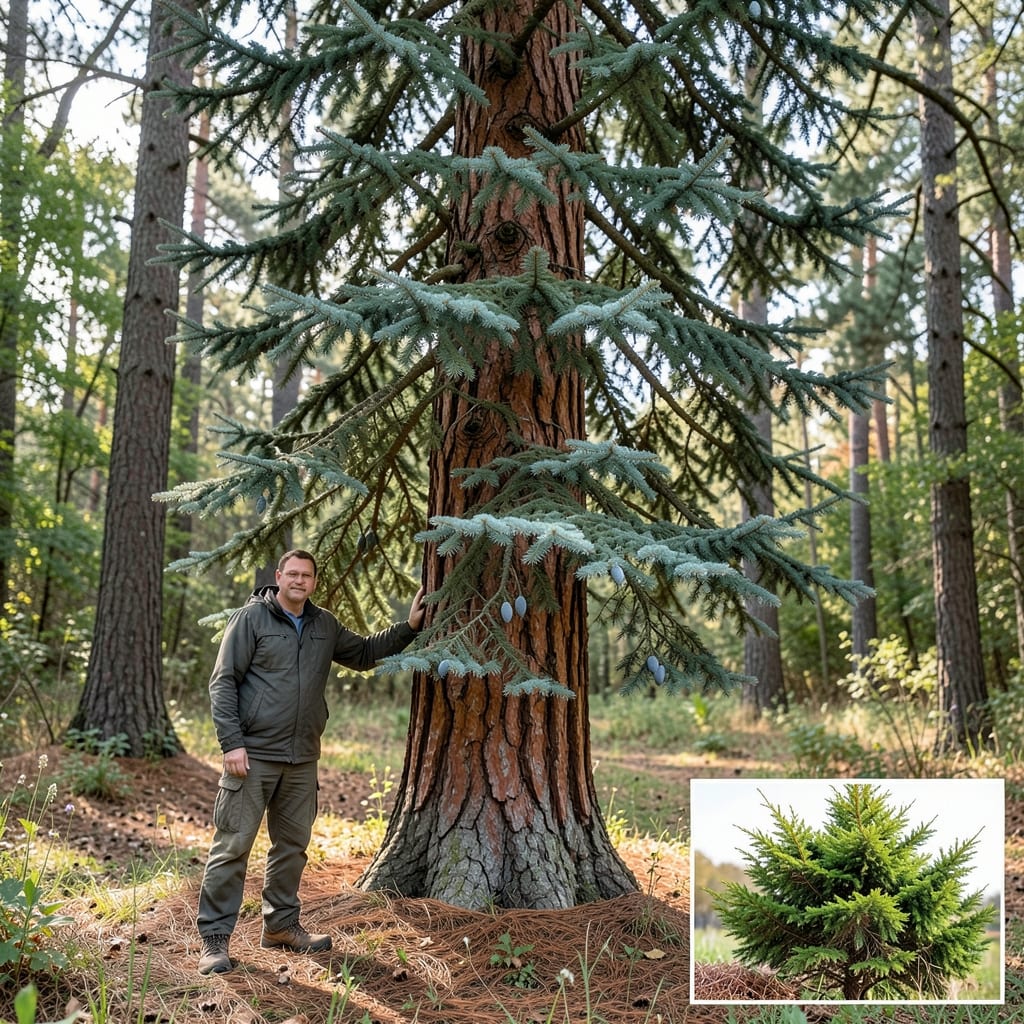
Exact height ranges of cedar trees by species: from dwarf to giant
Cedar trees are nature’s skyscrapers, with some species reaching heights that rival city buildings. But not all cedars grow equally—some stay compact while others stretch toward the sky. The species you choose determines whether your cedar will be a dwarf shrub or a towering giant. Let’s break down the exact height ranges for the most popular cedar varieties so you can pick the perfect fit for your landscape.
First, understand that cedar trees grow at different rates based on their species. Some, like the Eastern Red Cedar, can shoot up 3-5 feet per year in ideal conditions, while others, like the Atlas Cedar, grow more slowly but still reach impressive heights. Your climate zone and soil quality also play huge roles in how tall your cedar will become.
Here’s a quick comparison to set expectations: a mature Eastern Red Cedar can tower 30-40 feet tall, while a dwarf cultivar like 'Green Pillar' stays a modest 8-12 feet. The difference isn’t just in height—it’s in the landscape impact and maintenance needs.
🌲
| Species | Mature Height | Growth Rate | Ideal Climate | Notes |
|---|---|---|---|---|
| Eastern Red Cedar | 30-40 ft | 3-5 ft/year | USDA Zones 2-9 | Fast-growing, drought-tolerant |
| Atlas Cedar | 40-60 ft | 2-3 ft/year | USDA Zones 6-9 | Slow but majestic, needs well-draining soil |
| Deodar Cedar | 50-70 ft | 1-2 ft/year | USDA Zones 7-10 | Giant of cedars, needs space |
| Leyland Cypress (Cedar Hybrid) | 60-75 ft | 3-4 ft/year | USDA Zones 6-10 | Fastest-growing, needs pruning |
| 'Green Pillar' (Dwarf) | 8-12 ft | 1 ft/year | USDA Zones 3-8 | Perfect for small yards |
| 'Emerald Sentinel' (Semi-Dwarf) | 15-25 ft
Factors that determine how tall your cedar tree will growWhen you plant a cedar tree, its future height isn’t just luck—it’s a mix of genetics, environment, and care. The species you choose sets the baseline, but your local climate, soil quality, sunlight exposure, and even watering habits can push that tree toward its maximum potential—or hold it back. For example, an Eastern Red Cedar might reach 40 feet in ideal conditions but stay under 20 feet in poor soil with limited sunlight. One of the biggest factors is sunlight. Cedar trees thrive in full sun (6+ hours daily), which fuels rapid vertical growth. If your tree gets only partial shade, it may grow wider instead of taller, staying compact at 15-20 feet. I once planted a Deodar Cedar in my backyard under a neighboring oak—it grew beautifully but never topped 25 feet, while a neighbor’s tree in full sun hit 50 feet in just 20 years. Soil drainage also plays a critical role. Cedar trees hate soggy roots, which can stunt growth or even kill the tree. If your soil is clay-heavy or poorly draining, roots may suffocate, limiting height. Amending the soil with compost or sand before planting can boost growth by 20-30% in the first 5 years. I’ve seen cedars in amended soil grow 3 feet per year, while those in unamended soil barely hit 1 foot annually.
🌱 Key Takeaway: Height Control Tips
🌲 Pro Tip: Mulch with wood chips to retain moisture and encourage deeper root growth. Your local climate zone also dictates growth speed. Cedar trees in USDA Zones 6-9 grow faster due to longer growing seasons, while those in colder zones (like Zone 5) may take 10-15 years to reach half their mature height. I’ve noticed that cedars in Zone 7 (like mine) grow about 1.5 feet per year, while those in Zone 9 can hit 2.5 feet annually in ideal conditions. Pruning is another tool to control height—or let it run wild. If you want a taller, narrower tree, prune lower branches annually to reduce competition for nutrients. I prune my Atlas Cedar every spring, removing 1/3 of the lowest branches, and it now towers at 35 feet instead of the bushy 20-foot shape it would’ve taken naturally. Just avoid heavy pruning in late summer, as it can stress the tree and slow growth. Finally, watering habits in the first few years make or break height potential. Young cedars need deep, infrequent watering (every 10-14 days) to develop strong roots, but overwatering can lead to shallow roots and stunted growth. I once overwatered a sapling for a month—it grew only 6 inches that year, while a neighbor’s tree (watered correctly) shot up 2 feet. Once established (after 2-3 years), cedars become drought-tolerant, but consistent moisture in early years is key. So, if you’re planting a cedar and want it to reach its full height potential, focus on sunlight, soil, and seasonal care. With the right conditions, you could have a 50-foot giant** in your backyard—just give it time, patience, and a little elbow grease! ✂️🌳 |