
Size
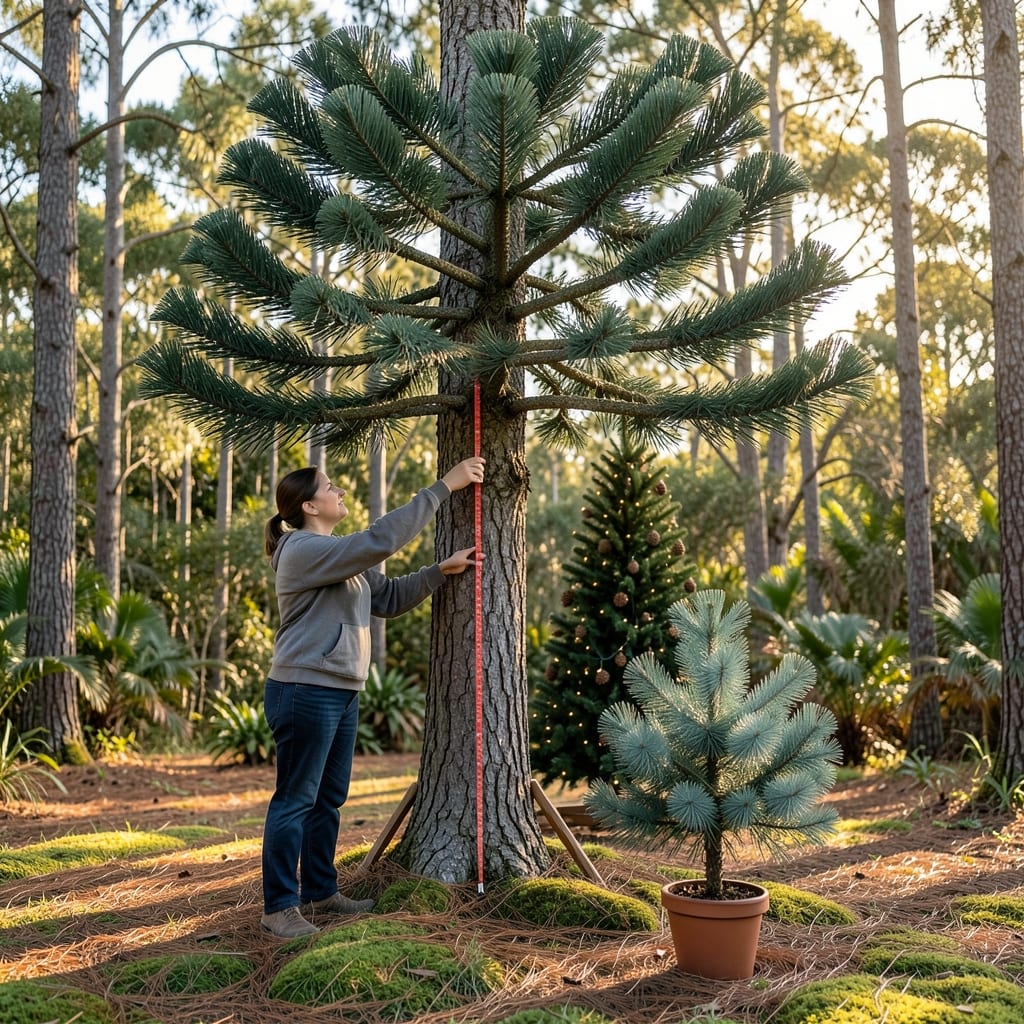
If you’ve ever dreamed of a Christmas tree so tall it can grow to touch the sky—or at least your second-story roof—you’re not alone. The how tall can a Christmas tree grow question is on every gardener’s mind when picking out that perfect 🎄 centerpiece for the holidays. Some varieties can reach heights of 60 feet or more, while others stay compact enough for cozy living rooms.
But here’s the catch: not all Christmas trees grow to the same heights, and it all depends on the species, your climate, and even how you care for it. Whether you’re in USDA Zone 6a or another region, understanding these factors will help you choose the right tree for your space—and your holiday vision.
In this guide, I’ll break down the tallest Christmas tree species, from backyard giants to record-breakers, and share pro tips for maximizing their height—or keeping them manageable. You’ll also learn how to estimate future growth based on your tree’s current size, so you can plan ahead for that showstopping centerpiece.
Ready to discover which trees can reach sky-high levels and how to nurture them? Let’s dive into the world of towering 🎄 wonders and find the perfect fit for your home—or your dreams.


Tallest Christmas tree species: from backyard giants to record-breakers
If you’re eyeing your backyard and wondering, "How tall can my Christmas tree grow?"—the answer depends entirely on the species. Some varieties stretch toward the sky like skyscrapers, while others stay manageable for even the coziest homes. Let’s explore the towering titans of the Christmas tree world and what makes them reach such impressive heights.
The Douglas fir takes the crown for the tallest Christmas trees, with mature specimens soaring up to 60 feet in ideal conditions. Meanwhile, Fraser firs and Nordmann firs typically max out around 40–50 feet. Even the Scotch pine, a classic choice, can hit 30–40 feet with proper care. But here’s the kicker: these giants need space, sunlight, and years to reach their full potential.
🌱
🌲 Christmas Tree Height Showdown
| Variety | Mature Height | Growth Rate | Ideal Climate |
|---|---|---|---|
| Douglas Fir | 60 ft | 1–2 ft/year | Cool, moist |
| Fraser Fir | 40–50 ft | 1 ft/year | Mountainous, cold |
| Nordmann Fir | 40–50 ft | 1.5 ft/year | Temperate |
| Scotch Pine | 30–40 ft | 2 ft/year | Dry, sunny |
| Blue Spruce | 20–30 ft | 1 ft/year | Alpine |
For context, the world’s tallest Christmas tree ever recorded was a Douglas fir in Washington State, standing a staggering 221 feet tall—that’s taller than a 20-story building! But don’t expect your backyard tree to reach such heights. Most homegrown specimens max out at 12–15 feet after 10–15 years, depending on pruning and soil conditions.
Climate plays a huge role in height. Douglas firs thrive in USDA zones 5–7, where cool summers and wet winters fuel their growth. Meanwhile, Scotch pines love dry, sunny zones 3–7 and grow faster but may not reach the same heights. If you’re in a warmer zone, consider Nordmann firs, which tolerate heat better and still hit 40+ feet.
🌳
One common misconception is that pruning stunts growth. Actually, strategic pruning—removing lower branches to encourage upward energy—can help your tree grow taller and straighter. Just avoid over-pruning, which can weaken the tree. For the fastest vertical growth, focus on well-draining soil, full sun exposure, and consistent watering during the first 3 years.
If you’re short on space but still want a statement tree, semi-dwarf varieties like the Nordmann fir or Blue Spruce are perfect. They top out around 12–20 feet and fit neatly in suburban yards. For urban gardens, container-grown trees (like Dwarf Alberta Spruce) stay under 8 feet but still deliver that festive charm.
🪴
Pro tip: If you’re starting from a sapling, its first year’s height can predict its future growth. A 3-foot sapling of a Douglas fir will likely reach 60 feet in 20 years with ideal care. But if your yard is limited, opt for a pre-pruned tree—these are bred to stay compact while still looking lush and full.
Ready to plant a tree that’ll make your neighbors green with envy? The key is choosing the right species for your space and climate, then giving it the love it needs to reach for the sky. Just don’t blame us if it outgrows your roof!
How to grow a sky-high Christmas tree: pro tips for maximizing height
Growing a towering Christmas tree isn’t just about luck—it’s a mix of science and patience. If you’ve ever wondered how to coax your tree toward the sky, the secret lies in soil prep, sunlight exposure, and smart pruning. Let’s dive into the steps that’ll help your tree reach its full height potential, whether you’re aiming for a 12-foot showstopper or a 60-foot backyard giant.
First, soil quality is non-negotiable. Christmas trees thrive in well-draining, slightly acidic soil (pH 5.0–6.5). Amend heavy clay with compost or sand to improve aeration, and avoid compacted soil, which stunts root growth. A deep planting hole—twice as wide as the root ball—gives roots room to spread, fueling vertical growth. For container-grown trees, use a fast-draining mix with perlite or pine bark.
🌱
🌲 5 Steps to Sky-High Growth
- Soil Prep: Mix compost into planting hole for nutrient-rich soil.
- Sunlight: Ensure 6+ hours of direct sun daily—no shade!
- Watering: Deep soak 1–2 gallons weekly for the first 3 years.
- Pruning: Remove lower branches to direct energy upward.
- Fertilizing: Use 10-10-10 slow-release in early spring and fall.
Sunlight is the next game-changer. Christmas trees are sun-worshippers, needing 6+ hours of direct light daily. Plant in the southern or western part of your yard to maximize exposure. If your tree is in partial shade, expect slower growth and weaker branches. For urban gardens, a south-facing window or grow lights can help container-grown trees reach their height potential.
Pruning might seem counterintuitive for height, but strategic trimming actually encourages vertical growth. Remove lower branches in early spring to reduce competition for nutrients, letting the tree focus its energy on upward growth. Avoid topping (cutting the top), which can stunt the tree permanently. For a straighter trunk, prune suckers (shoots at the base) regularly—these sap energy away from height.
🪴
Watering is often overlooked but critical for tall trees. Newly planted trees need 1–2 gallons of water weekly, while established trees thrive on deep soaks every 10–14 days. Water at the base, not the foliage, to prevent fungal diseases. Mulch around the tree (but keep it 3 inches away from the trunk) to retain moisture and regulate soil temperature. In drought-prone areas, consider a drip irrigation system to keep roots hydrated.
Finally, fertilizing at the right time boosts growth. Use a balanced 10-10-10 fertilizer in early spring (as new growth begins) and early fall (to prepare for winter). Avoid fertilizing in summer, as it can stress the tree before dormancy. For container-grown trees, fertilize every 4–6 weeks during the growing season with a water-soluble formula.
🌳
Here’s a pro tip: If you’re starting with a sapling, its first year’s height can predict its future growth. A 3-foot sapling of a Douglas fir will likely reach 60 feet in 20 years with ideal care. To estimate your tree’s future height, multiply its current height by 20 (for standard varieties) or 15 (for semi-dwarfs). For example, a 5-foot sapling could become a 100-foot monster—so choose wisely!
Ready to grow a tree that’ll make your neighbors green with envy? With the right soil, sunlight, and care, your Christmas tree will reach for the sky—just don’t blame us if it outgrows your roof!