
Trees
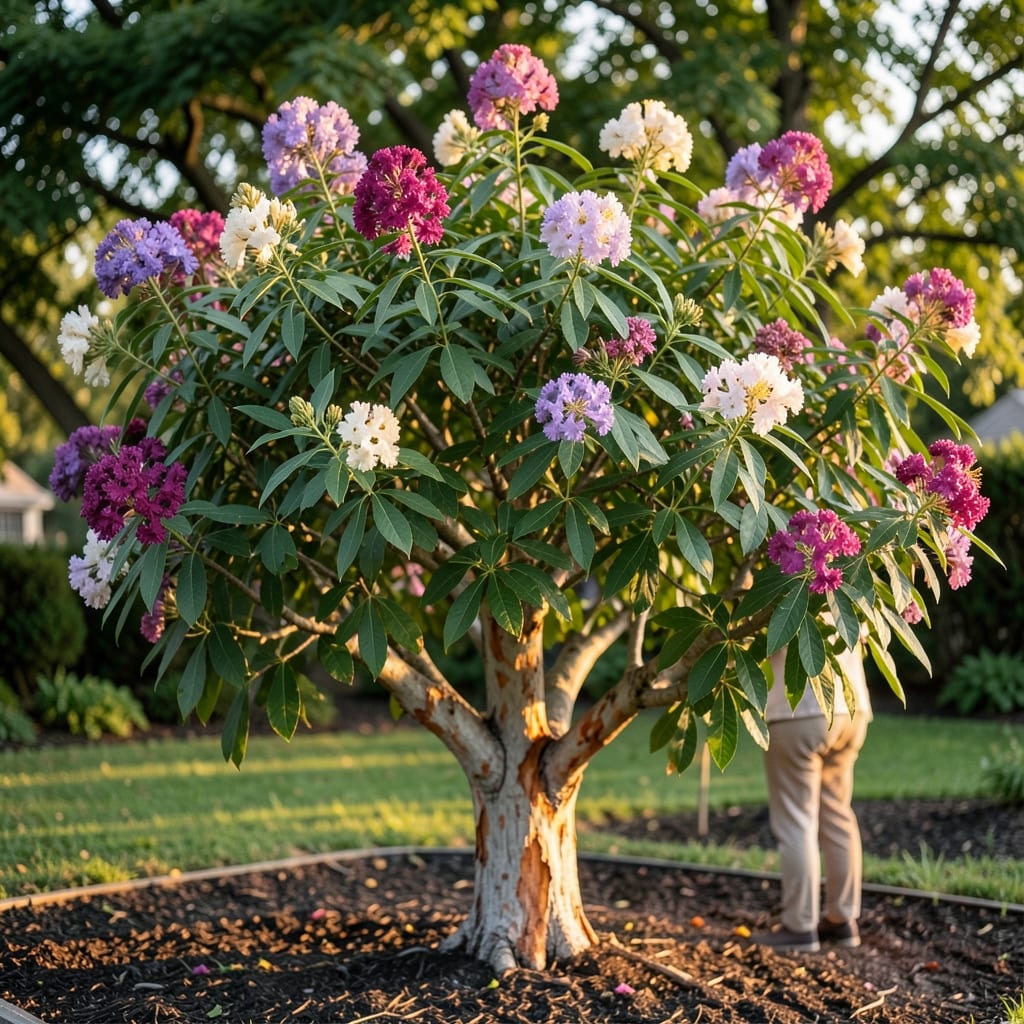
If you're wondering how tall can a crepe myrtle tree grow, the answer might surprise you—these stunning 🌸 beauties can range from compact shrubs to towering giants, depending on the variety you choose. Whether you're planning a small backyard retreat or a grand landscape statement, knowing the mature height of your crepe myrtle is key to making the right selection.
Some varieties stay modest, like the dwarf 'Tonto' that tops out around 6 feet, perfect for tight spaces or container gardens. Others, like the majestic 'Natchez', can soar to 30 feet or more, creating a dramatic focal point in your yard. The difference comes down to genetics, not just care—so picking the right type for your space saves you from future pruning struggles.
But here's the best part: you can control their growth with smart pruning techniques. Whether you want a 10-foot accent tree or a 25-foot shade provider, I'll show you how to shape your crepe myrtle to fit your vision—without sacrificing those gorgeous blooms. Let's dive into the varieties that will work best for your landscape goals.
Ready to transform your outdoor space? The right crepe myrtle can be a low-maintenance, high-impact addition—just pick the perfect size for your needs. I'll break down everything you need to know to make an informed choice that lasts for years.


Crepe myrtle height by variety: from dwarf shrubs to 30-Foot trees
Crepe myrtles are one of the most versatile trees for landscaping, offering sizes that can fit everything from a tiny balcony garden to a sprawling backyard. The mature height of a crepe myrtle depends entirely on its variety, with some staying under 10 feet while others reach 30 feet or taller. Understanding these differences helps you choose the perfect tree for your space without compromising on beauty.
For example, the 'Tonto' variety is a dwarf crepe myrtle that tops out around 6-8 feet, making it ideal for container gardens or small urban patios. On the other end of the spectrum, the 'Natchez' variety can grow to 25-30 feet, providing shade and drama for large properties. The key is matching the variety to your available space and long-term vision for your landscape.
Below is a quick comparison of popular varieties, including their mature height, growth rate, and ideal spacing requirements. This will help you visualize how each type fits into your garden plan before you plant.
| Variety | Mature Height | Growth Rate | Ideal Spacing | Best For |
|---|---|---|---|---|
| 'Tonto' | 6-8 ft | Slow | 4-6 ft from structures | Containers, small yards |
| 'Arapaho' | 8-10 ft | Moderate | 6-8 ft from structures | Privacy screens, small gardens |
| 'Muskogee' | 20-25 ft | Fast | 15-20 ft from structures | Shade trees, large landscapes |
| 'Natchez' | 25-30 ft | Fast | 20-25 ft from structures | Dramatic focal points, large properties |
| 'Sioux' | 10-15 ft | Moderate | 8-10 ft from structures | Medium-sized yards, patio shade |
When selecting a crepe myrtle, always consider its mature height and how it will interact with your existing landscape. For instance, planting a 30-foot variety too close to your house could lead to overgrowth and future pruning challenges. Conversely, a 6-foot dwarf might feel too small in a large open space, leaving you wishing for more height and impact.
Another factor to consider is the growth rate. Faster-growing varieties like 'Muskogee' or 'Natchez' will provide quicker shade and privacy but may require more frequent pruning to maintain your desired shape. Slower growers like 'Tonto' are perfect for those who want a low-maintenance, long-term investment.
If you're unsure which variety to choose, start by measuring your space and visualizing how tall you want your tree to be. Remember, crepe myrtles are deciduous, so they'll lose their leaves in winter, which can make them appear smaller during that season. This is especially important if you're using them for privacy or shade.
For urban gardeners or those with limited space, consider container-growing dwarf varieties like 'Tonto' or 'Arapaho'. These can be moved around your patio or balcony to take advantage of changing sunlight throughout the day. Just ensure your container is large enough—at least 18 inches in diameter—to support healthy root growth.
No matter which variety you choose, crepe myrtles thrive in full sun and well-draining soil. Planting them in the right conditions from the start ensures they reach their full potential height without struggling. With the right variety and care, you can enjoy years of stunning blooms and lush foliage that perfectly fits your outdoor space.
Crepe myrtle height by variety: from dwarf shrubs to 30-Foot trees
Crepe myrtles are one of the most versatile trees for landscaping, offering sizes that fit everything from tiny urban patios to sprawling rural estates. The mature height of your crepe myrtle depends entirely on the variety you choose—some stay as compact as 6 feet, while others reach 30 feet or taller with proper care. Understanding these differences helps you avoid overcrowding or underwhelming results in your garden design.
For example, the 'Tonto' variety is a popular dwarf option, perfect for container gardens or small yards, while 'Natchez' creates a bold statement with its towering presence. Even within the same variety, growth rates can vary based on soil quality, sunlight exposure, and watering habits—but the foundation starts with selecting the right type for your space.
Here’s a quick comparison to help you visualize the range:
| Variety | Mature Height | Growth Rate | Best For |
|---|---|---|---|
| 'Tonto' | 6–8 ft | Slow to moderate | Containers, small yards |
| 'Arapaho' | 8–12 ft | Moderate | Privacy screens, small gardens |
| 'Muskogee' | 20–25 ft | Fast | Shade trees, large yards |
| 'Natchez' | 25–30 ft | Fast | Statement trees, privacy |
When planning your landscape, always account for the mature height of your crepe myrtle and its spread, which can be nearly as wide as it is tall. For instance, a 25-foot tree like 'Natchez' needs at least 15 feet of clearance from structures, power lines, and other plants to thrive without crowding.
If you’re unsure which variety fits your space, consider starting with a semi-dwarf option like 'Arapaho'—it offers a balance between manageable size and dramatic blooms. These varieties grow 10–15 feet tall, making them ideal for medium-sized yards where you want both height and control.
Pro tip: Check your local nursery for grafted varieties, which often grow more predictably than seed-grown trees. This ensures you get the exact height and form you’re expecting, without surprises down the road.