
Size
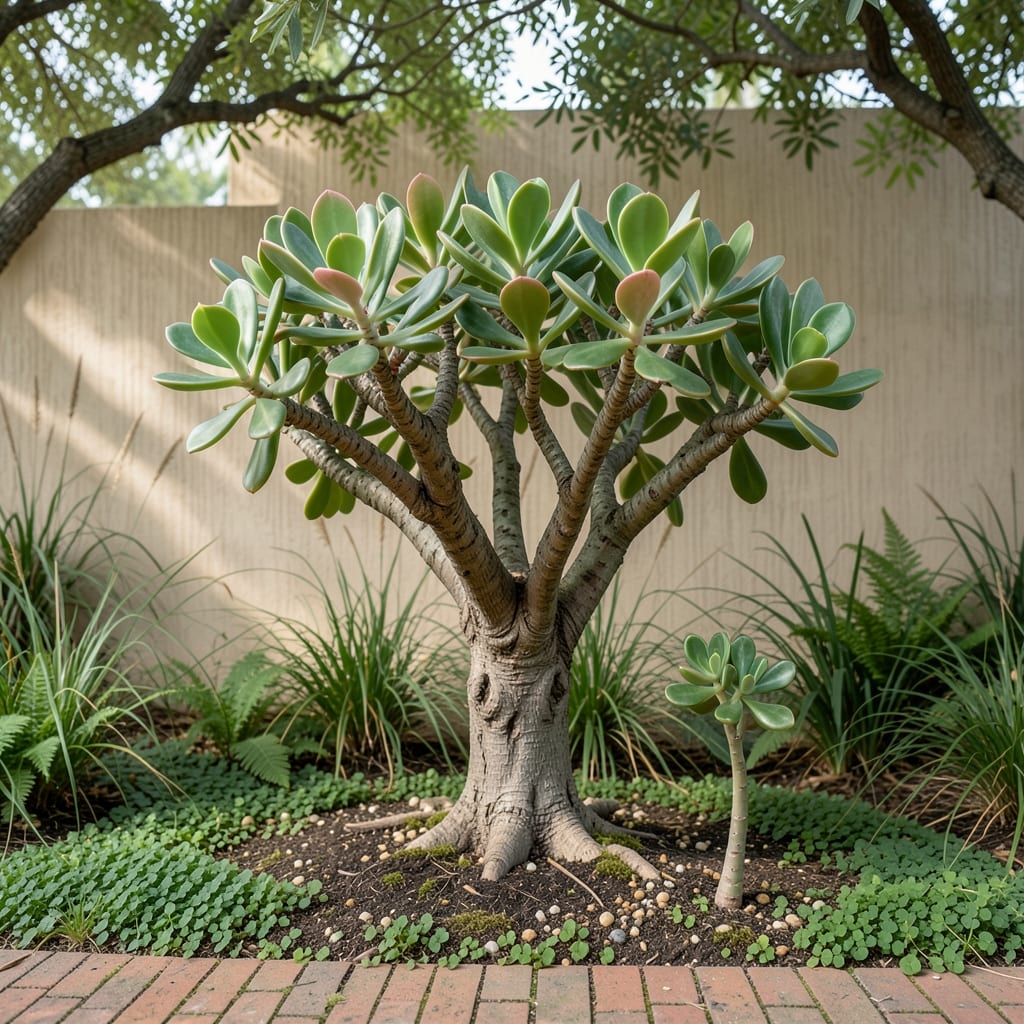
Wondering how tall can a jade plant grow before it becomes a full-blown indoor tree? The answer might surprise you—some varieties stay compact and charming, while others can stretch toward the ceiling if given the right (or wrong) conditions. 🌿 With the right care, your jade plant could become a stunning statement piece, but without it, even a small variety might grow leggy and unruly.
If you're dreaming of a tiny, manageable houseplant, you're in luck—many jade plants top out at just 1-2 feet, perfect for shelves or desks. But if you're open to letting nature take its course (or don’t mind occasional pruning), some varieties can reach 3-4 feet or even taller with ideal conditions. The key lies in understanding your plant’s genetics and how light, soil, and water play into its growth habits.
In this guide, I’ll break down everything you need to know—from the smallest dwarf varieties to the towering giants, plus the simple tricks to keep your jade plant at your desired height. Whether you want a low-maintenance desk companion or a bold, tree-like centerpiece, you’ll learn how to control the growth and avoid common mistakes that turn your plant into a leggy mess.
Ready to discover the secrets behind your jade plant’s potential? Let’s dive into the factors that shape its size—and how you can steer it in the right direction, no matter your space or style.


Jade plant height by variety: from dwarf to 10-Foot giants
Jade plants (Crassula ovata) are famous for their versatility—some stay small enough for a desk, while others can become small trees with proper care. The variety you choose determines your plant’s maximum height, but even "small" varieties can stretch if given too much light or space. Let’s explore the most common types and their growth potential.
Most jade plants fall into three size categories: dwarf (1-2 feet), standard (2-4 feet), and giant (4+ feet). The Crassula ovata 'Hobbit', for example, stays under 1 foot, while the 'Friendship Tree' variety can reach 6-10 feet with ideal conditions. The difference? Genetics and care.
🌱 Pro Tip: If you’re short on space, opt for dwarf varieties like 'Miniature Jade' or 'Lilliput,' which rarely exceed 12 inches. For bold statements, the 'Gollum' or 'Portulacal' varieties can grow 3-5 feet tall with proper support.
🌿 Jade Plant Height Comparison
| Variety | Mature Height | Growth Rate | Best For |
|---|---|---|---|
| Crassula ovata 'Hobbit' | 8-12 inches | Slow | Desks, shelves |
| Crassula ovata 'Friendship Tree' | 6-10 feet | Moderate-Fast | Large rooms, bonsai training |
| Crassula ovata 'Gollum' | 3-5 feet | Moderate | Centerpieces, bonsai |
| Crassula ovata 'Portulacal' | 2-3 feet | Slow-Moderate | Small trees, terrariums |
| Crassula ovata 'Lilliput' | 6-12 inches | Very Slow | Fairy gardens, windowsills |
Even within a single variety, indoor vs. outdoor conditions drastically affect height. Jade plants grown outdoors in USDA Zone 9-11 can become woody and tree-like, while indoor plants often stay bushier and shorter. The 'Friendship Tree', for instance, might top out at 3 feet indoors but 10 feet outdoors with full sun and space.
💡 Light Matters: Jade plants crave bright light—at least 4-6 hours of direct sun daily. Without enough light, they stretch (a condition called etiolation) and grow leggy. Place yours near a south-facing window or under grow lights to maintain compact growth.
Another factor? Pot size. Jade plants are root-bound by nature—when roots fill the pot, growth slows. If you want a taller plant, use a larger pot (but not too big—1-2 inches wider than the root ball is ideal). For compact growth, keep it in a smaller pot and prune regularly.
🌳 Fun Fact: Some jade plants can live for decades and grow into small bonsai trees with proper care. The oldest recorded jade plant is over 100 years old and still thriving! With patience and the right variety, your jade could become a living heirloom.
Next, we’ll cover how to control your jade plant’s growth—whether you want it to stay tiny or grow into a room-filling giant. Spoiler: Pruning and light tricks make all the difference!
How to control jade plant growth: pruning, light, and pot size tips
Want to keep your jade plant at a manageable height or encourage it to grow into a statement piece? The secret lies in three key factors: pruning, light exposure, and pot size. These simple adjustments can transform a leggy, overgrown plant into a compact bush** or a tall, tree-like specimen—all while keeping it healthy. Let’s break down the best strategies for each goal.
First, let’s talk pruning, the easiest way to control height. Jade plants bush out beautifully when pruned regularly, and you can even propagate the cuttings to grow new plants. To keep your jade short and stocky, pinch off the top leaves or cut back leggy stems by 1/3 in early spring. For a taller look, avoid heavy pruning and let the plant grow vertically—just watch for overcrowding.
🌱 Pro Tip: Always prune with sterilized scissors or pruners to prevent disease. Let the cuttings dry for a day before planting them in well-draining soil to root. New plants from cuttings often grow faster than their parents!
🌿 Jade Plant Growth Control Guide
- For Compact Growth: Prune top leaves regularly, use smaller pots, and place in bright indirect light.
- For Tall Growth: Avoid heavy pruning, use larger pots, and provide full sun (6+ hours daily).
- For Bushier Growth: Rotate the pot quarter-turn weekly to ensure even light exposure and prune side shoots to encourage branching.
- For Faster Growth: Fertilize lightly in spring/summer with a balanced 5-10-10 mix and ensure well-draining soil.
- For Slower Growth: Reduce watering to every 3-4 weeks and avoid fertilizing in fall/winter.
Light exposure is the next game-changer. Jade plants crave sunlight—at least 4-6 hours of direct light daily. Without enough light, they stretch and become leggy and weak. Place your plant near a south-facing window or under grow lights for 6-8 hours a day. If you notice long, thin stems, it’s a sign your plant needs more light.
💡 Light Hack: If your jade plant is growing too tall, move it to a sunnier spot immediately. For compact growth, rotate the pot every few weeks so all sides get even light—this encourages bushier growth instead of leaning toward the window.
Pot size might seem minor, but it’s a hidden growth controller. Jade plants are root-bound by nature, meaning they grow faster when roots fill the pot. For taller plants, use a larger pot (1-2 inches wider) to give roots room to expand. For shorter, bushier plants, keep it in a smaller pot and prune regularly to prevent overgrowth.
🌳 Pot Pro Tip: Terracotta pots are ideal—they wick away moisture and prevent root rot, which can stunt growth. Avoid plastic pots unless they have drainage holes, as jade plants hate soggy roots.
By mastering these three factors—pruning, light, and pot size—you’ll have full control over your jade plant’s height. Whether you want a tiny desk companion or a room-filling tree, these tips will keep your plant thriving and tailored to your space. Next, we’ll cover the common mistakes that turn jade plants into leggy messes—and how to fix them!