
How To
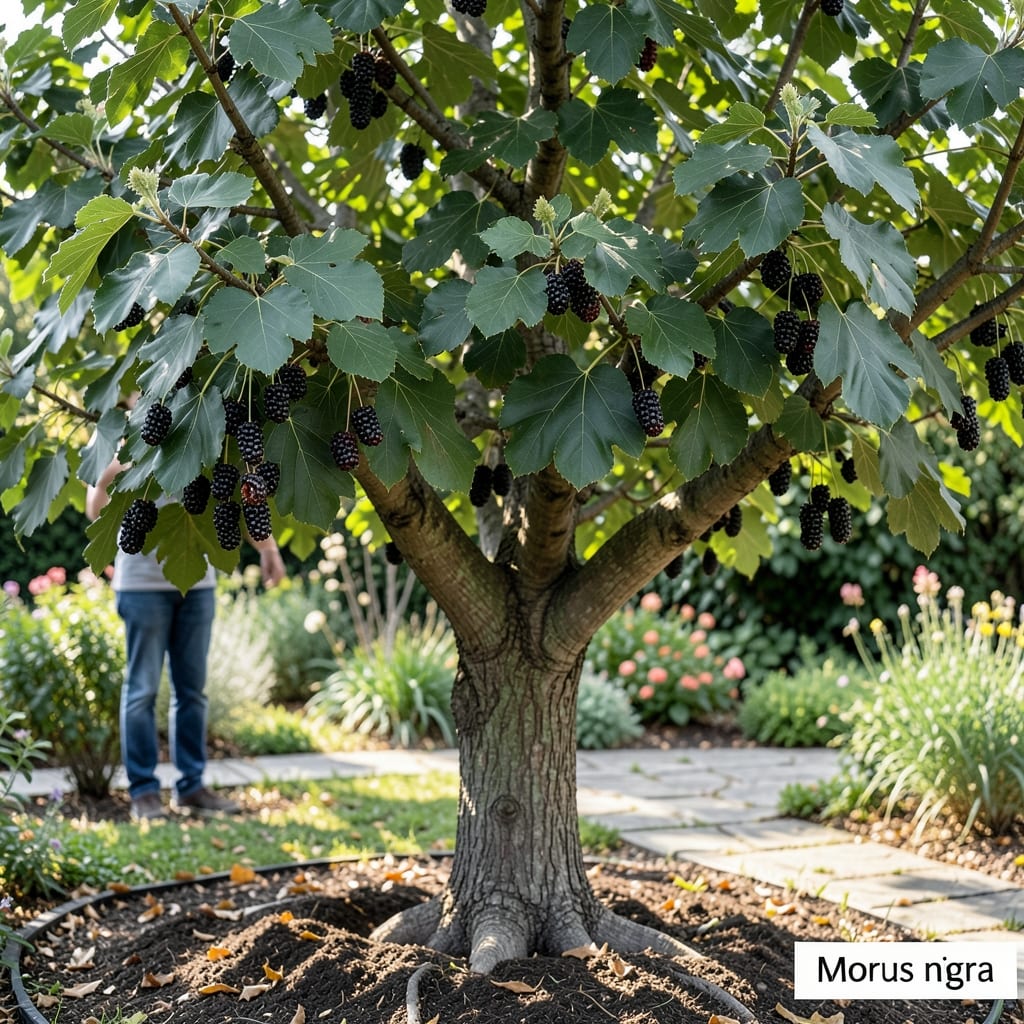
Ever wondered how tall a mulberry tree can grow in your backyard? The answer might surprise you—some varieties stretch taller than a 5-story building, while others stay compact enough for containers. If you're planning your garden layout, knowing these height differences is the key to choosing the perfect tree for your space.
Mulberry trees aren't one-size-fits-all—they range from dwarf varieties that top out at 10-15 feet to massive giants reaching 60 feet or more. Whether you're dreaming of shade for your patio or a fruit-bearing giant, understanding these differences will help you make the right choice for your landscape.
But size isn't the only factor—climate, pruning, and even soil quality play a huge role in how tall your mulberry tree grows. I'll break down the best varieties for small spaces, how to control growth, and why some mulberries outpace others in height. Let's dive into the details so you can pick the perfect tree for your garden.
Ready to transform your outdoor space? By the end of this guide, you'll know exactly which mulberry tree fits your vision—whether you want a towering shade provider or a manageable container plant. Let's get started!


Mulberry tree height by variety: from dwarf to giant sizes
When planning to grow a mulberry tree, one of the first questions I ask myself is, "how tall can a mulberry tree grow?" The answer varies dramatically depending on the variety you choose. Some mulberries stay compact enough for urban gardens, while others become towering giants that dominate landscapes. Let me break down the height ranges you can expect from common mulberry varieties.
Mulberries are typically categorized into three size groups: dwarf varieties (under 15 feet), semi-dwarf varieties (15-25 feet), and standard varieties (25-60 feet). The white mulberry (Morus alba) and black mulberry (Morus nigra) are the most popular types, but even within these species, height differences exist. For example, the 'Illinois Everbearing' white mulberry stays around 15-20 feet, while the 'Champagne' variety can reach 40-50 feet.
Now, let's explore the height differences across popular mulberry varieties in a detailed comparison. This will help you visualize which size fits your space best.
The 'Dwarf Mulberry' is a game-changer for gardeners with limited space. It tops out at just 10-15 feet, making it perfect for containers or small urban yards. If you're asking, "how tall can a mulberry tree grow in a pot?"—this is your answer. Just ensure the container is at least 18 inches wide and has drainage holes to prevent root rot.
On the opposite end of the spectrum, the 'Black Diamond' black mulberry can grow to 50-60 feet—taller than most two-story houses! This variety is ideal for large rural properties where you want both shade and fruit production. If you're considering this giant, plan for pruning to manage its size and prevent it from overwhelming your landscape.
Red mulberries, like the 'Kwanso' variety, offer a middle-ground height of 20-30 feet. These trees are prized for their ornamental value, with striking purple-black fruit that attracts wildlife. They're a great choice for medium-sized yards where you want both beauty and function.
When choosing a mulberry tree, consider not just height, but also your climate zone and garden layout. For example, in USDA Zone 6, where I live, the 'Illinois Everbearing' thrives with minimal winter protection, while the 'Black Diamond' may need extra care in colder microclimates. Always check the mature height and spread of the variety before planting to avoid surprises.
One common mistake I see is assuming all mulberries grow to the same size. In reality, the difference between a 10-foot dwarf and a 60-foot giant is dramatic. If you're unsure which size to choose, start with a semi-dwarf variety like 'Kwanso'—it offers a balance of manageable size and abundant fruit.
Remember, even dwarf varieties can outgrow their space if not pruned regularly. I recommend annual pruning in late winter to control height and shape. For larger varieties, consider structural pruning early in their development to guide their growth pattern.
If you're still wondering, "how tall can a mulberry tree grow in my specific yard?"—the answer depends on the variety, your pruning habits, and your local climate.
Factors that influence mulberry tree height growth
If you're wondering how tall a mulberry tree grows, the answer depends on more than just the variety you choose. Several key factors—like climate zones, soil quality, and pruning techniques—play a huge role in determining whether your tree stays compact or stretches skyward. Understanding these factors will help you control growth or encourage a taller, more majestic tree.
First, your local climate sets the stage for growth. Mulberry trees thrive in USDA Zones 5-9, but their height potential varies dramatically. In warmer zones like Zone 9, trees grow faster and taller, while cooler climates in Zone 5 may limit their height. For example, a black mulberry in Florida could reach 60 feet, while the same variety in Minnesota might top out at 30 feet.
Next, soil quality directly impacts growth speed and height. Mulberry trees prefer well-draining, slightly acidic soil with a pH between 6.0-7.0. Poor soil? Expect slower growth and a shorter tree. Amend your soil with compost or organic matter to give your tree the nutrients it needs to reach its full potential. A nutrient-rich environment can push a semi-dwarf variety to grow 20% taller than expected.
Don't underestimate the power of pruning—this is one of the best ways to control height. Regular pruning in late winter or early spring can keep a mulberry tree at a manageable size, even if it's a fast-growing variety. For instance, if you prune a white mulberry annually to remove 1/3 of its height, you can maintain it at 15-20 feet instead of letting it grow to 40 feet. Just remember: prune in dormant season to avoid stressing the tree.
Growth Factors at a Glance
- 🌡️ Climate Zone: Warmer zones = faster, taller growth
- 💧 Soil Quality: Nutrient-rich soil = taller trees
- ✂️ Pruning: Annual pruning = controlled height
- 🌳 Root Space: More room = more height potential
- ☀️ Sunlight: Full sun = faster vertical growth
Another critical factor is root space. Mulberry trees need ample room to spread their roots—planting them too close to structures or other trees can stunt their growth. Give your tree at least 20-30 feet of space in all directions to encourage upward growth. If you're planting in a small urban garden, consider container-growing dwarf varieties, which can thrive in 5-gallon pots while still reaching 10-15 feet tall.
Finally, sunlight exposure plays a surprising role in height. Mulberry trees love full sun (6-8 hours daily), which fuels rapid vertical growth. If your tree gets partial shade, it may grow wider but not as tall. For maximum height, plant your mulberry in the sunniest spot of your yard. Just be prepared for faster growth—some varieties can add 3-5 feet per year under ideal conditions!
By tweaking these factors, you can steer your mulberry tree toward your ideal height—whether you want a towering shade tree or a compact patio beauty. The key is to monitor growth and adjust care as needed. With the right approach, you'll have a mulberry tree that fits perfectly in your space! 🌿