
Trees
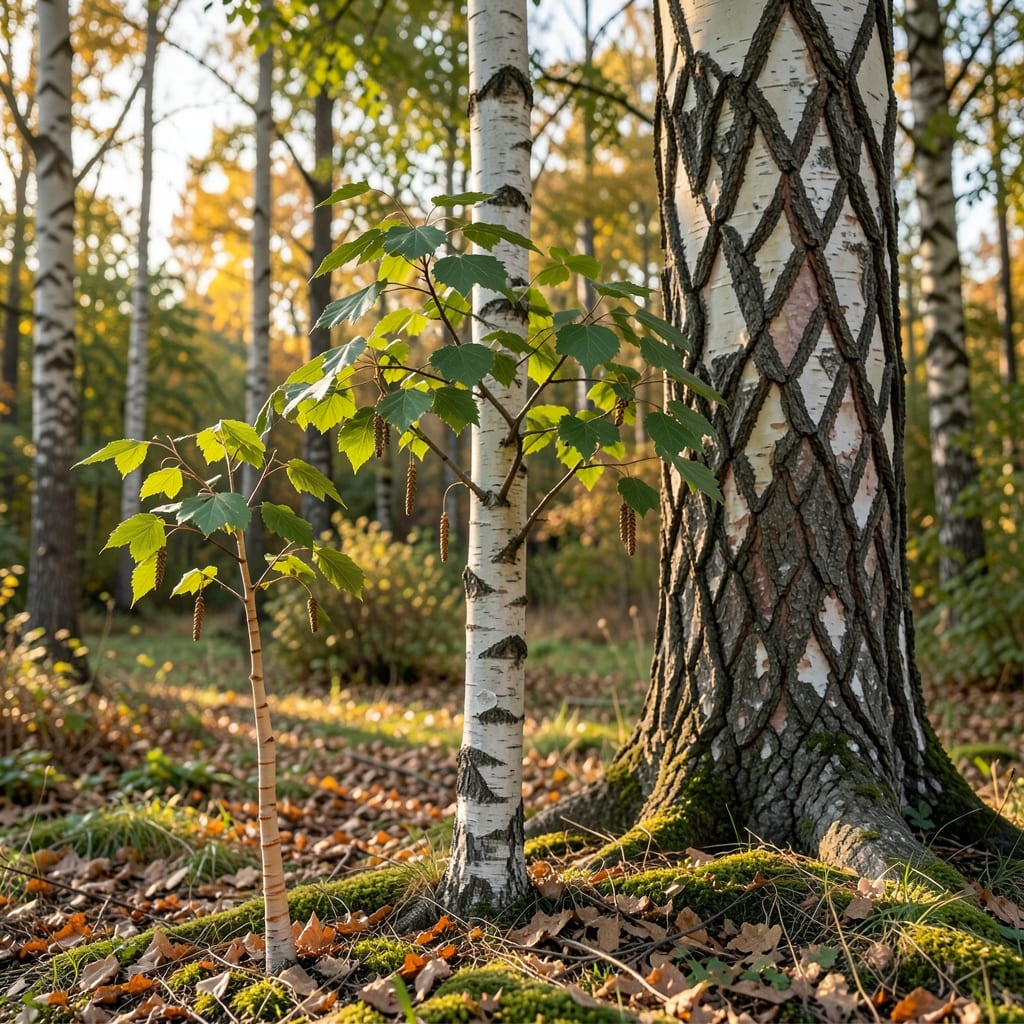
If you’ve ever wondered how tall can a birch tree grow, the answer might surprise you—some varieties stretch taller than a 6-story building, reaching heights that turn heads in any landscape. 🌳 The Paper Birch, for example, can soar up to 80 feet under perfect conditions, while other species like the Yellow Birch or River Birch still impress with mature heights of 50-70 feet.
What makes these trees grow so fast? The secret lies in their love for sunlight and well-drained soil, especially in zones like 6a, where early spring planting gives them a head start. Whether you're dreaming of a towering shade tree or a compact ornamental variety, understanding their growth potential helps you plan your garden with confidence.
But here’s the catch: height isn’t just about time—it’s about care. Proper watering, pruning, and soil prep can push a birch tree toward its maximum height, while neglect might leave it struggling to reach even half its potential. Let’s break down the fastest-growing varieties and the factors that make or break their towering ambitions.
Ready to turn your yard into a birch tree haven? I’ll walk you through the tallest species, their growth rates, and the 3 key tips to help yours reach new heights—without the guesswork. Let’s get started!


Birch tree height records: tallest species and their maximum growth
Birch trees are nature’s skyscrapers, with some species reaching heights that rival the tallest trees in urban forests. The Paper Birch (Betula papyrifera) holds the record for the tallest birch, soaring up to 80 feet in ideal conditions—about the height of a 6-story building. This native North American beauty thrives in USDA Zone 6a and beyond, making it a standout choice for gardeners with space to spare.
But Paper Birch isn’t the only contender for height. The Yellow Birch (Betula alleghaniensis) and River Birch (Betula nigra) also impress, typically maturing between 50-70 feet. These varieties are prized for their striking bark and adaptability, but their growth potential depends heavily on soil quality and sunlight exposure. Let’s dive into the specifics of these towering trees.
🌳 Birch Tree Height Comparison
| Species | Mature Height | Growth Rate (Annual) | Key Features |
|---|---|---|---|
| Paper Birch (Betula papyrifera) | 60–80 ft | 1–2 ft/year (young) | White bark, cold-hardy, fast-growing |
| Yellow Birch (Betula alleghaniensis) | 50–70 ft | 1 ft/year (steady) | Golden bark, drought-tolerant, slow-maturing |
| River Birch (Betula nigra) | 40–60 ft | 1.5 ft/year (wet soils) | Peeling bark, loves moisture, heat-tolerant |
| White Birch (Betula pendula) | 50–75 ft | 2 ft/year (optimal conditions) | Silver bark, fast-growing, needs full sun |
Note: Heights vary by climate, soil, and care. Dwarf varieties (e.g., 'Fastigiata') stay under 25 ft.
If you’re dreaming of a Paper Birch reaching for the sky, plant it in well-drained, slightly acidic soil with full sun exposure. These trees can grow 2 feet per year in their youth, but their rapid ascent slows as they mature. For a River Birch, prioritize moist soil—this variety thrives near water sources and can handle USDA Zone 4-9, making it versatile for different climates.
The Yellow Birch, while slightly shorter, offers durability and striking bark that ages beautifully. It’s a slower grower but rewards patience with a sturdy, long-lived tree. For gardeners with limited space, consider columnar varieties like 'Fastigiata,' which stay compact while still offering the birch’s signature elegance.
One common misconception is that all birch trees grow equally tall. In reality, climate and soil type play huge roles. For example, a Paper Birch in Zone 6a with rich, loamy soil may hit 80 feet, while the same tree in poor, rocky soil might struggle to reach 50 feet. The key is mimicking their natural habitat—moist, well-drained soil and 6+ hours of sunlight daily.
For urban gardeners, River Birch is often the best choice due to its adaptability to wetter soils and tolerance for city pollution. Its peeling bark adds visual interest, and its moderate height (40-60 feet) fits well in suburban landscapes. If you’re planting near a south-facing window, the White Birch’s fast growth rate makes it a dynamic focal point.
Pro tip: When planting, avoid disturbing the root ball too much—birch trees have sensitive roots that need to establish quickly. Mulch around the base to retain moisture and protect roots from temperature swings. With the right conditions, your birch tree could be a towering centerpiece in just a decade! 🌳
Ready to pick the perfect birch for your space? Next, we’ll explore the fastest-growing varieties and how to push your tree toward its maximum height potential—without the wait. Stay tuned!
Fastest-growing birch varieties: how quickly they reach mature heights
If you're dreaming of a towering birch tree in just a few years, you’ll love the fastest-growing varieties like the White Birch and Gray Birch. These species can shoot up 3-5 feet per year under ideal conditions, making them perfect for gardeners eager to see quick results. 🌱
Among the speediest is the Betula papyrifera (Paper Birch), which can reach 50 feet in as little as 20 years. Meanwhile, the Betula nigra (River Birch) grows slightly slower but still impresses with 2-4 feet annually, hitting 40 feet in under 25 years. These growth rates make birches one of the fastest trees to mature compared to oaks or maples.
Climate plays a huge role—birches thrive in USDA Zone 6a and beyond, where early spring planting gives them a head start. In cooler regions, growth slows slightly, but with proper care, even Yellow Birch varieties can still reach 30-40 feet in 15-20 years. The key? Full sun exposure and well-drained soil.
To maximize growth, focus on deep watering during the first year and light fertilization in spring. Avoid over-pruning, as birches grow best when left to develop their natural shape. With the right conditions, your birch could be a skyscraper in your backyard in no time! ✂️
For those with limited space, consider dwarf varieties like Betula pendula 'Fastigiata', which grows just 15-25 feet but still delivers stunning foliage. Even these compact versions can reach half their mature height in under 10 years, proving birches are versatile for any garden size.
Ready to plant? Choose your variety based on speed and space, then give it the sunlight and care it craves. In just a few seasons, you’ll have a stunning vertical focal point that outshines slower-growing trees. 🌳