
Size
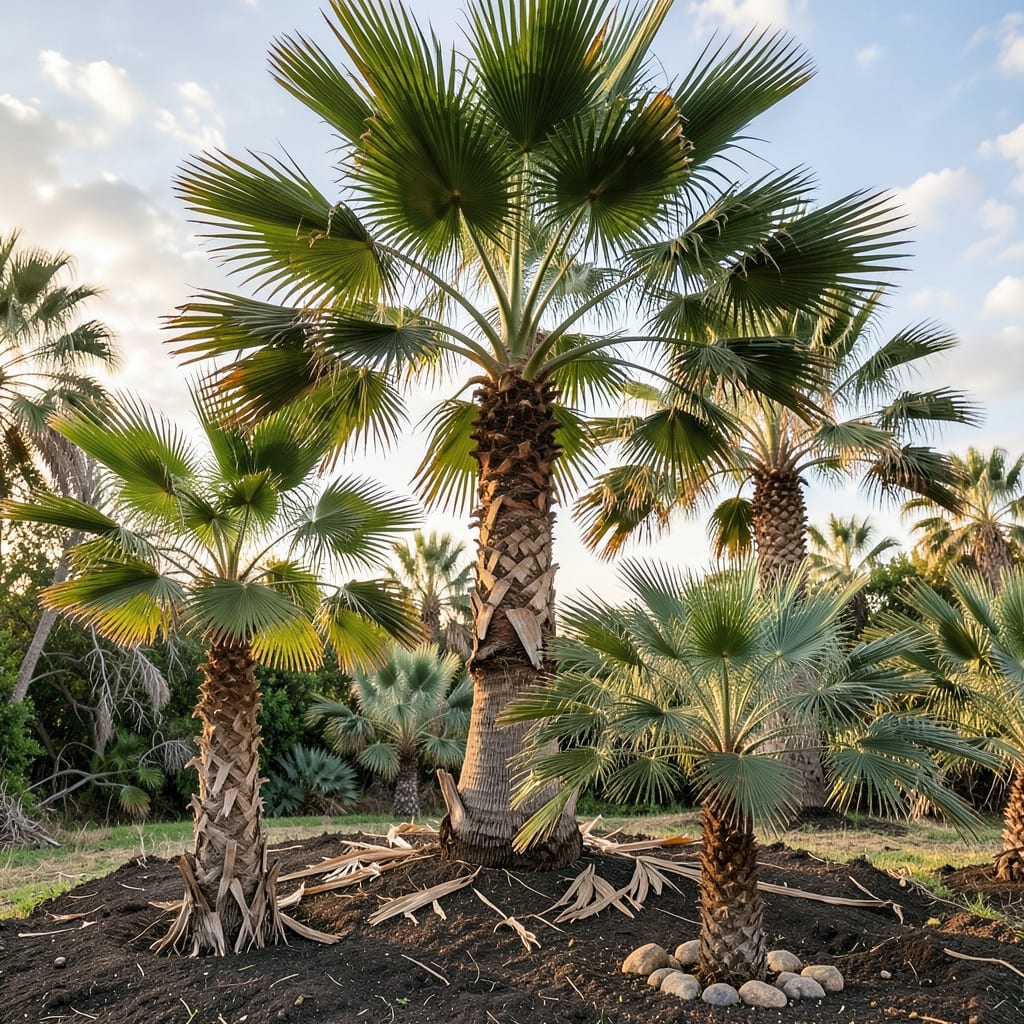
If you’ve ever stared up at a towering 🌴 palm tree and wondered how tall it can grow, the answer might surprise you. Some palm species stretch taller than a 15-story building, while others barely reach waist height—all depending on the variety and growing conditions.
Understanding how tall can a palm tree grow isn’t just about picking the right species for your yard. It’s about unlocking the secrets of their natural habitats—whether that’s the steamy jungles of Southeast Asia or the sun-drenched coastlines of Florida’s 9b-11 zones. With the right care, even a modest backyard can become home to a palm that rivals the skyline.
From the dwarf pygmy date palm (perfect for patio pots) to the sky-scraping coconut palm (which can reach 100 feet or more), we’ll break down the heights you can expect—and how to nurture your palm to reach its full potential. Ready to turn your outdoor space into a mini tropical paradise?
The key lies in knowing which species thrive in your climate, how fast they grow, and the simple tricks to keep them reaching for the sky. Let’s dive into the world of palm trees and discover just how tall your next green giant could become.

Tallest palm tree species: real heights and growth records
When you picture a palm tree, you might imagine a tropical postcard with a single coconut palm swaying in the breeze. But some palms don’t just sway—they soar, reaching heights that rival skyscrapers. The tallest palm species can grow over 200 feet, making them some of the most majestic trees on Earth. Let’s explore the giants that define palm tree height records.
The Royal Palm (Roystonea regia) and the Coconut Palm (Cocos nucifera) are two of the most famous towering species. While the Coconut Palm is iconic for its useful coconuts, the Royal Palm is a height champion, often exceeding 100 feet in ideal conditions. But which species truly holds the record for the tallest palm tree?
Here’s the hard truth: the African Oil Palm (Elaeis guineensis) can reach 200+ feet in its native habitat, though it’s less common in ornamental gardens. Meanwhile, the California Fan Palm (Washingtonia filifera) typically tops out around 60-80 feet, making it a favorite for urban landscapes where space is limited.
🌴 Top 5 Tallest Palm Tree Species
| Species | Max Height | Growth Rate | Natural Habitat |
|---|---|---|---|
| African Oil Palm | 200+ ft | Fast (3-5 ft/year) | West Africa |
| Royal Palm | 100-120 ft | Moderate (2-3 ft/year) | Cuba, Florida |
| Coconut Palm | 80-100 ft | Slow (1-2 ft/year) | Tropical coasts |
| California Fan Palm | 60-80 ft | Moderate (1.5-2.5 ft/year) | Southwest U.S. |
| Mexican Fan Palm | 50-70 ft | Slow (1-1.5 ft/year) | Mexico, Arizona |
Note: Heights vary by climate, soil, and care. Container-grown palms will stay shorter.
The African Oil Palm isn’t just tall—it’s a growth powerhouse, adding 3-5 feet per year in ideal conditions. This makes it one of the fastest-growing palms, though it’s primarily grown for oil production rather than ornamentation. If you’re dreaming of a skyscraper-sized palm in your yard, this species is the ultimate contender, but it requires tropical climates and rich, well-draining soil.
For those in cooler climates, the Royal Palm is a hardier giant, thriving in USDA Zones 9b-11. It’s a slow-and-steady winner, taking decades to reach its full height but offering dramatic tropical flair even in urban settings. I’ve seen these palms in Florida and Hawaii where they dominate the skyline, their feathery fronds swaying like natural skyscrapers.
But what about growth records? The tallest palm ever recorded is a Coconut Palm in Guam, standing at a staggering 120 feet. While not the absolute tallest, it’s a testament to how proper care and climate can push palms to their limits. In container gardens, even the tallest species will stay shorter, but with deep pots and regular pruning, you can encourage vertical growth for years.
If you’re planting a palm with height in mind, consider these key factors:
- Climate compatibility (e.g., Royal Palms hate frost)
- Soil drainage (palms hate soggy roots)
- Sunlight exposure (6+ hours of direct sun daily)
- Watering consistency (deep, infrequent watering beats
What determines a palm tree’s height: genetics vs. growing conditions
You’ve seen the height records of palm trees, but have you ever wondered why one Royal Palm grows to 100 feet while another stays a mere 30 feet? The answer lies in a mix of genetics and growing conditions. Unlike trees that grow wider with age, palms focus their energy on vertical growth, but their final height is shaped by factors you can control—and some you can’t.
The genetic blueprint of a palm tree sets its maximum potential height. For example, the African Oil Palm is hardwired to reach 200+ feet, while the Pygmy Date Palm will never exceed 10 feet. But genetics alone don’t determine the final height—environmental factors like climate, soil, and sunlight act like a growth accelerator or brake.
🌱 Palm Tree Height: Genetics vs. Growing Conditions
- Species determines max height (e.g., Royal Palm = 100+ ft)
- Growth rate is inherited (fast vs. slow growers)
- Root structure affects stability and nutrient uptake
- Sunlight: 6+ hours/day = faster growth
- Soil: Well-draining, sandy loam prevents root rot
- Water: Deep, infrequent soaking (not daily misting)
- Climate: USDA Zones 9b-11 for tropical species
💡 Pro Tip: Even the tallest palms stay shorter in containers—root restriction limits height potential.
Let’s talk sunlight, the #1 growth multiplier for palms. A Coconut Palm in full sun will grow 2x faster than one in partial shade. I’ve seen California Fan Palms in Los Angeles reach 80 feet with uninterrupted sunlight, while identical palms in shadier yards max out at 50 feet. The photosynthesis engine of a palm runs on sunlight, so positioning matters.
Next up: soil quality. Palms hate waterlogged roots, which is why sandy, well-draining soil is non-negotiable. In heavy clay soils, roots suffocate, stunting growth. I once tried growing a Mexican Fan Palm in compacted soil—it grew only 3 feet in 5 years instead of the expected 10 feet. Amending soil with compost and perlite can make a world of difference.
Watering is another common mistake that limits height. Palms need deep, infrequent watering—not daily shallow drinks. Overwatering leads to root rot, while underwatering stresses the tree. In Florida’s humid climate, I water my Royal Palms every 10-14 days in summer, while in drier Arizona, I adjust to weekly deep soaks. The goal? Encourage deep root growth, which supports taller stature.
Finally, pruning and fertilization play subtle but critical roles. Removing dead fronds lets the tree focus energy on new growth, while balanced fertilizer (like 6-6-6 NPK) provides the nutrients for vertical expansion. I fertilize my palms every 6 weeks in spring and fall, and the difference in frond size and growth rate is noticeable.
So, can you force a palm to grow taller? Not beyond its genetic limits, but you can maximize its potential by mimicking its natural habitat. Give it sun, good soil, and proper water, and even a dwarf palm will reach its full height. For the giant species, these conditions are the difference between a 50-foot tree and a 100-foot skyscraper.